Citron
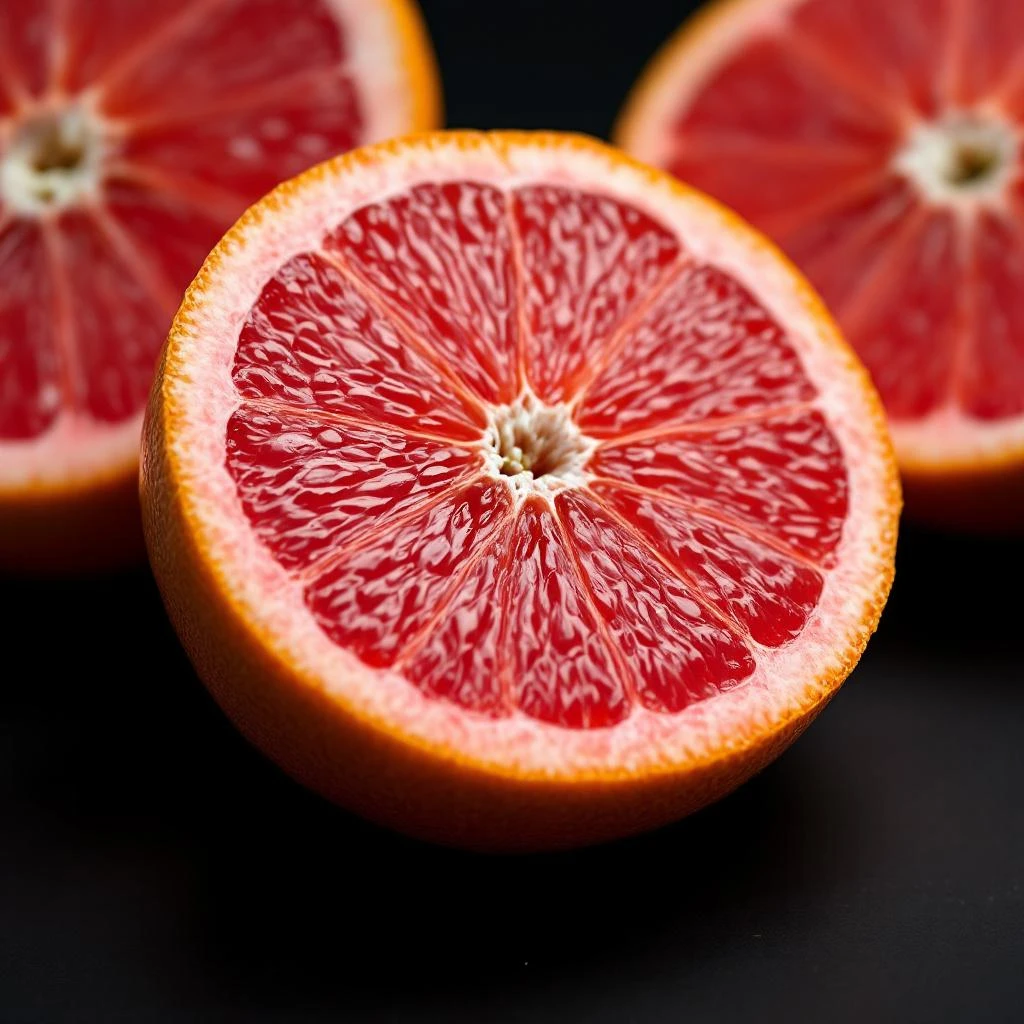
Citron, known as cedrat in perfumery, is the most ancient cultivated citrus fruit, offering a sharper, more complex aroma than lemon with floral, bitter, and woody nuances beneath its bright peel.
Character
How it smells
The ancestor of all citrus, sharper than any lemon
Citron reached the Mediterranean from Asia through the military campaigns of Alexander the Great, making it the oldest citrus known to Western cultivation.








Origin
India
Citron holds the distinction of being the first citrus species ever cultivated by humans, predating the lemon and orange by millennia. Native to the Himalayan foothills and eastern India, it spread westward through Persia and into the Mediterranean basin, reportedly carried by Alexander the Great's armies around 300 BCE. The Jews brought it to their diaspora, where it became central to the Sukkot festival as the required etrog.
By the first century CE, Pliny the Elder documented its cultivation in Rome, calling it the 'Median apple.' Citron appears in medieval herbals as a digestive and antidote to poison, and its candied form (succade) was a prized confection in Renaissance Italy. The first perfumery-dedicated citron scent appeared in 2011 when Carlos Huber launched his house Arquiste, treating the fruit as a serious fragrance subject rather than a minor accent.
Today, citrons from the Diamante variety grown in Calabria carry EU protected designation status.
Wears it best
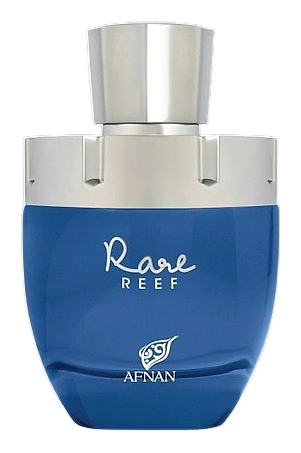
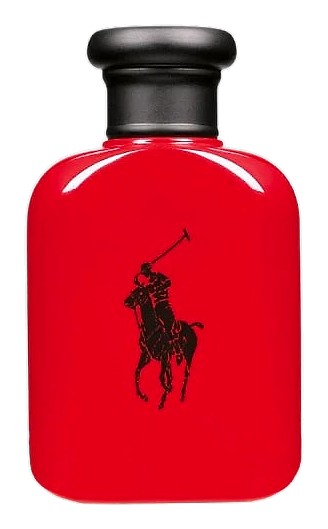
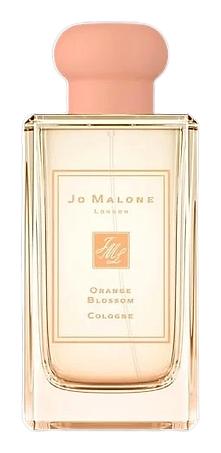
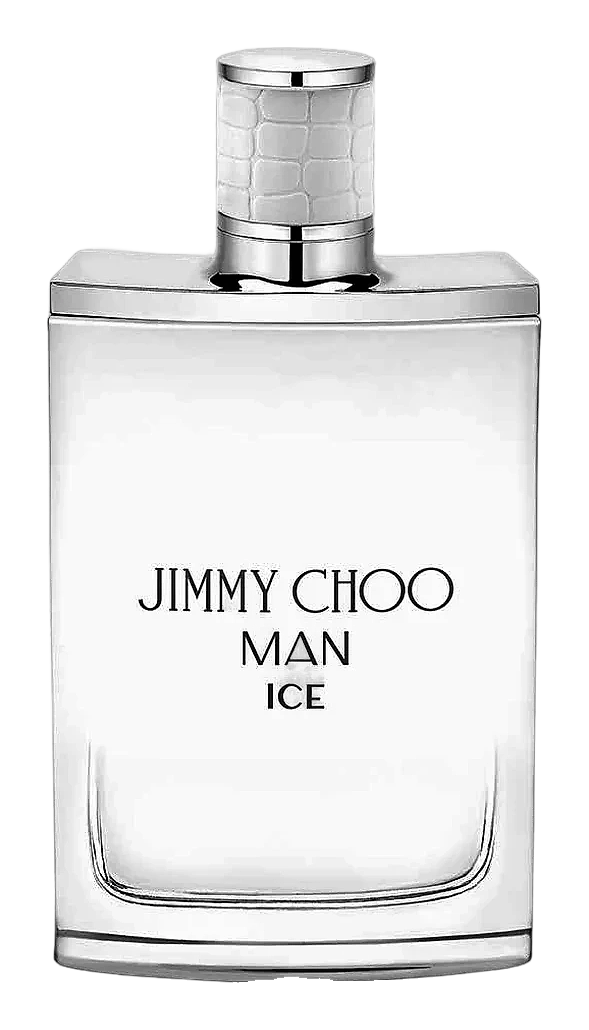
Fragrances featuring Citron
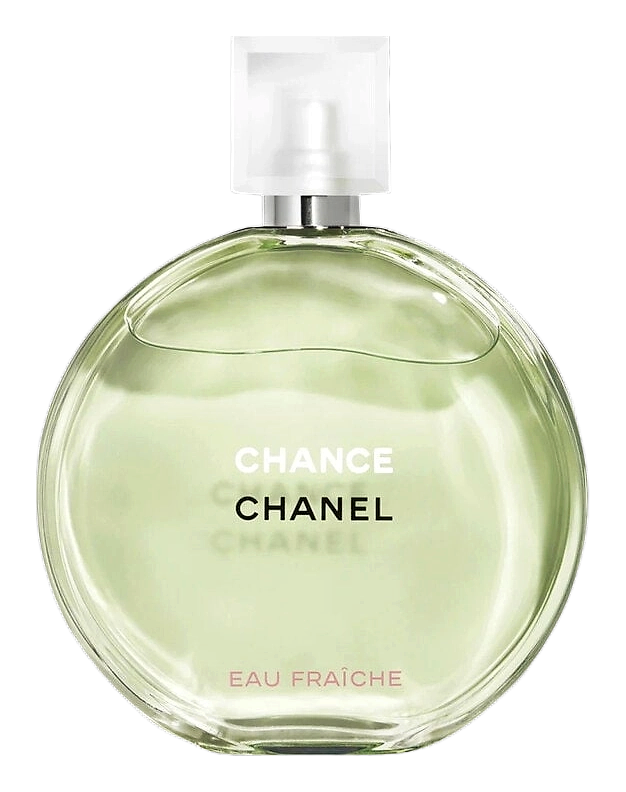
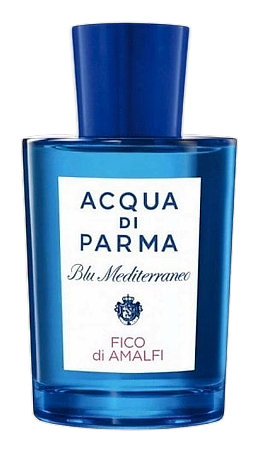

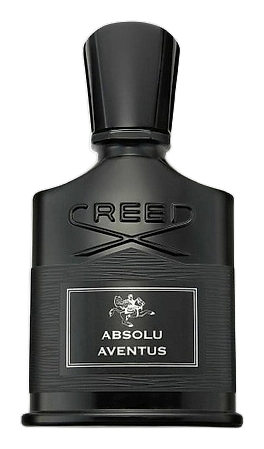
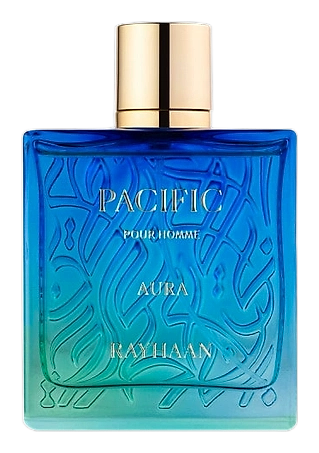
Brands
Brands known for Citron
Good to know
Questions, answered
The essentials on Citron in perfumery: how it smells, where it comes from, and how it behaves on skin.
What does citron smell like in perfume?
Citron produces a sharper, more bitter top note than lemon, with floral undertones and a woody edge. The peel oil carries less of the sugary sweetness common in bergamot or orange.
Is citron the same as lemon?
No. Citron (Citrus medica) is a distinct species and the oldest cultivated citrus fruit. Lemons derive from a cross between citron and bitter orange, so citron carries less pulp acidity and a more aromatic rind.
Why is citron essential oil so expensive?
Citron rind contains significantly less volatile oil per fruit than lemon or bergamot, requiring far more raw material to yield the same quantity of essence.
Where is the best citron grown for perfumery?
The Diamante variety cultivated in Calabria, Italy holds EU protected origin status and is considered the finest quality, though Corsican and Greek citrons appear in fragrance compositions.
What is cedrat in perfumery?
Cedrat is the French and Italian name for citron (Citrus medica), the original citrus species from which lemons, limes, and oranges were later hybridized.
How is citron oil extracted for fragrance use?
Most citron oil is obtained by cold expression (écuelle method) from the peel. Genuine citron essence is rare in perfumery because of low oil content per fruit.
Which perfumes feature citron as a main note?
Arquiste's 'Nanban' (2011), created by Carlos Huber, was the first fragrance built specifically around citron, treating it as a central character rather than a supporting top note.
Is citron natural or synthetic in most modern fragrances?
Most 'citron' accords in commercial perfumery are reconstructed from citronellal, limonene, and citral isolates derived from other citrus oils or synthetic routes.