


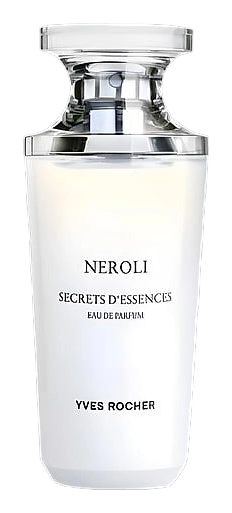
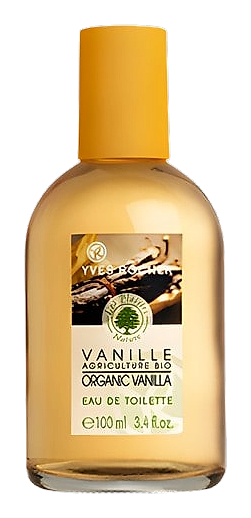
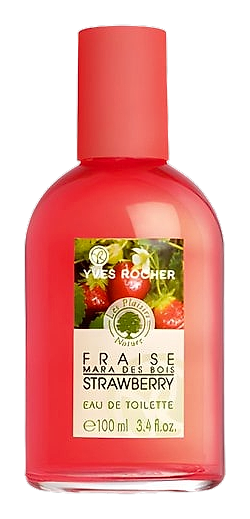
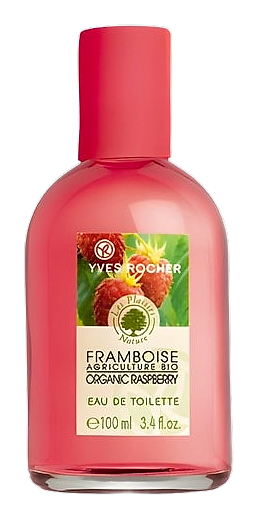
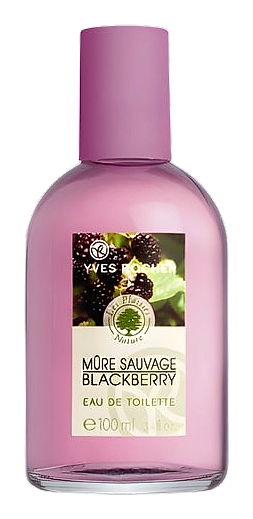

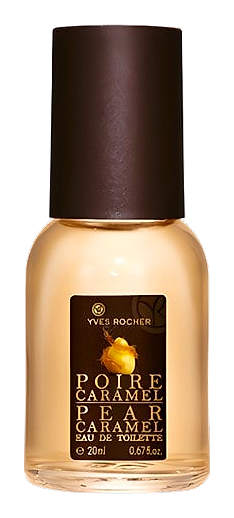
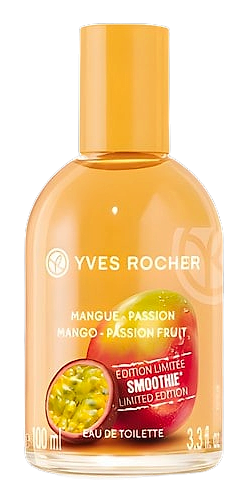
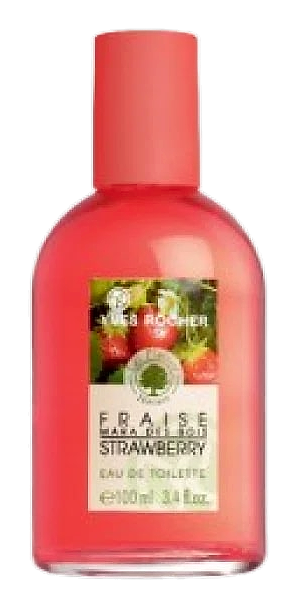
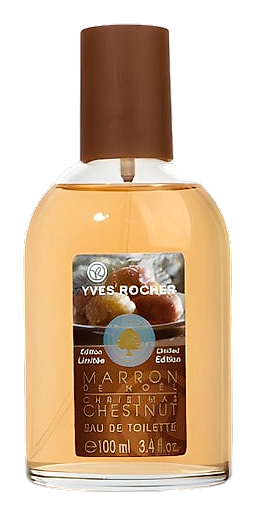

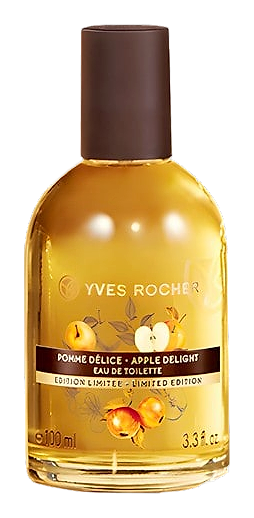
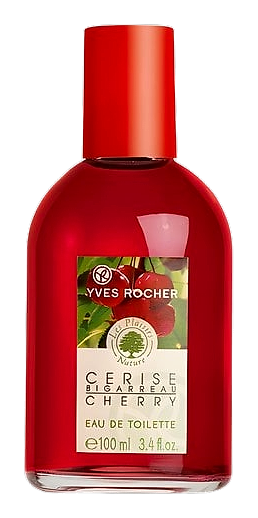
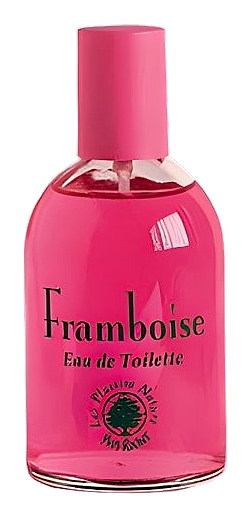

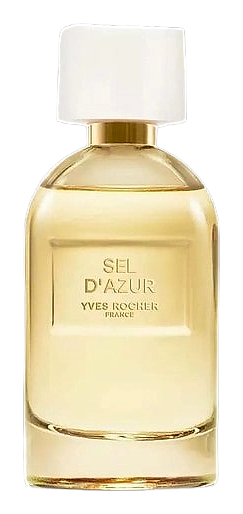
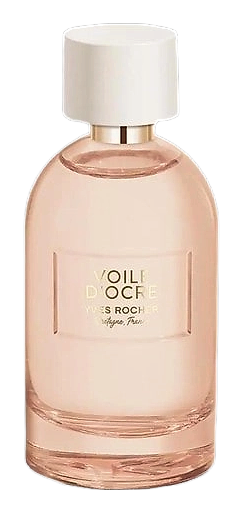
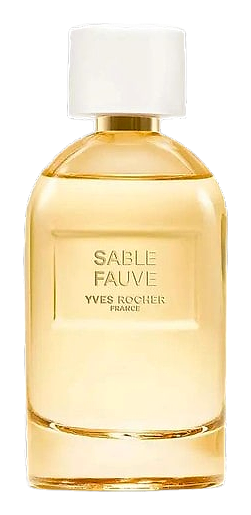
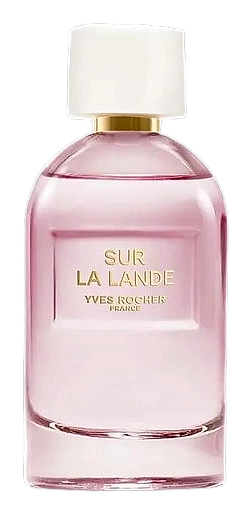
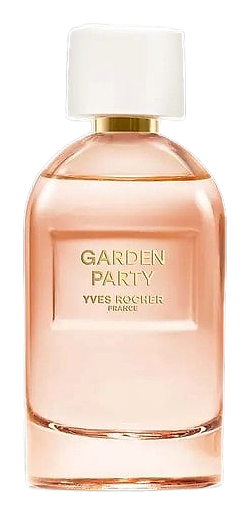
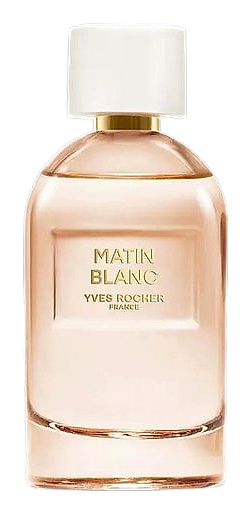
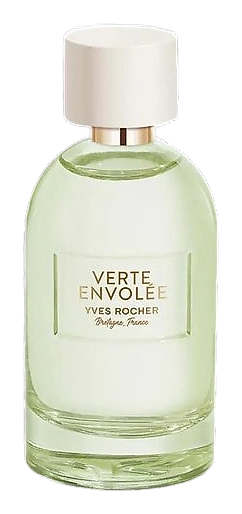
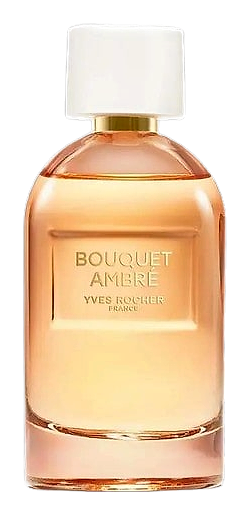
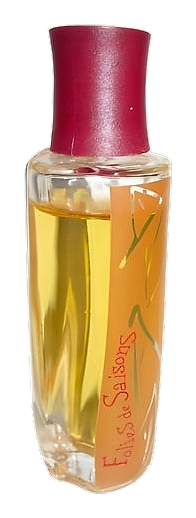
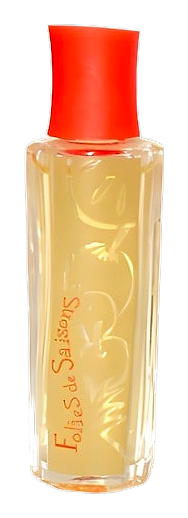
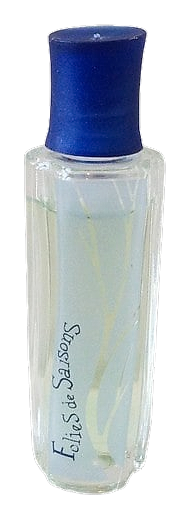
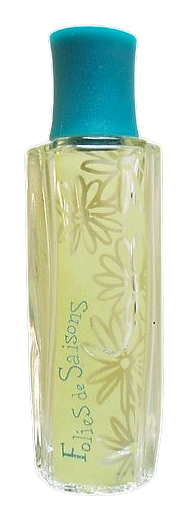

The Heritage
The Story of Yves Rocher
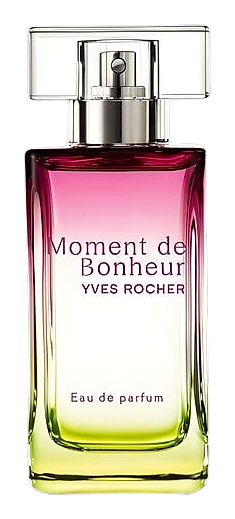
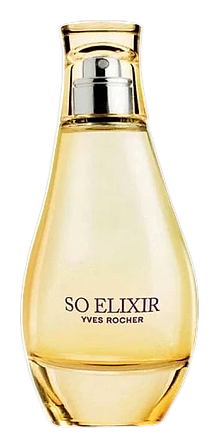
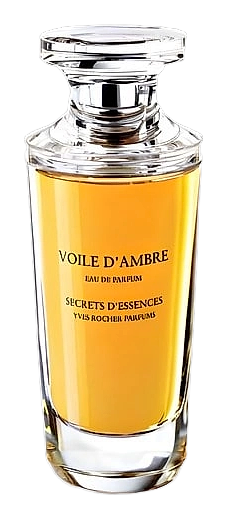
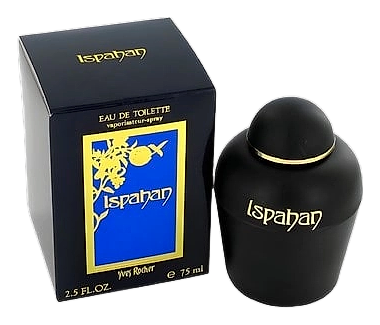
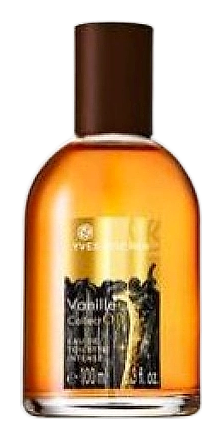
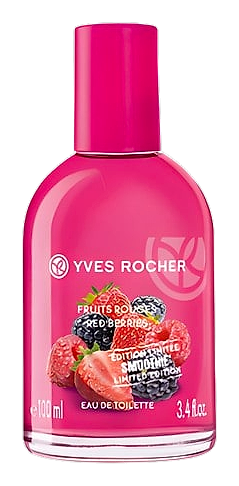
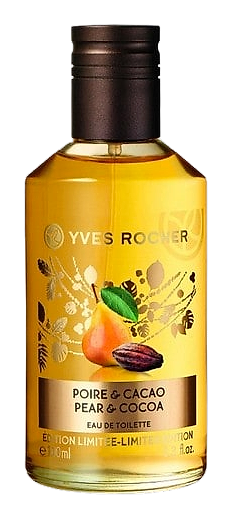
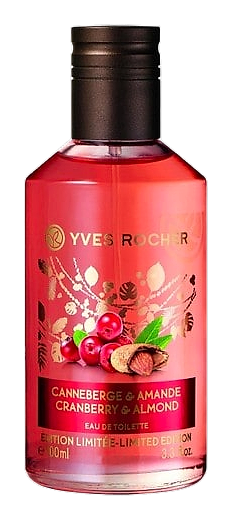
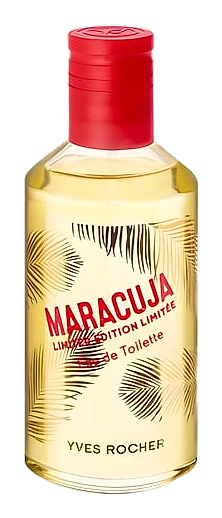
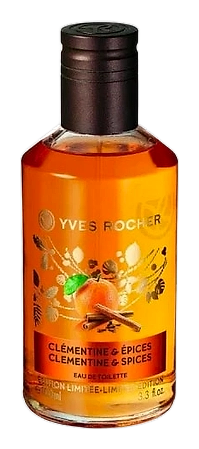
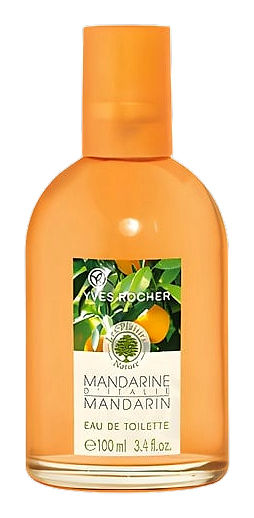
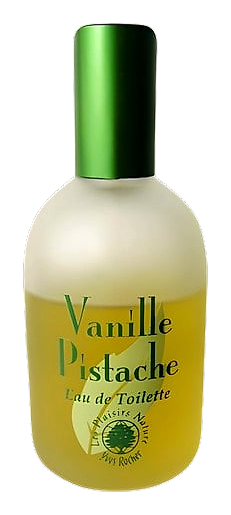
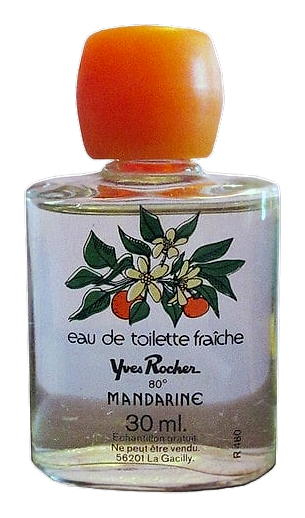
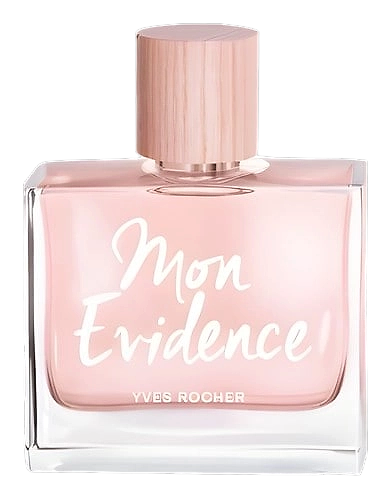
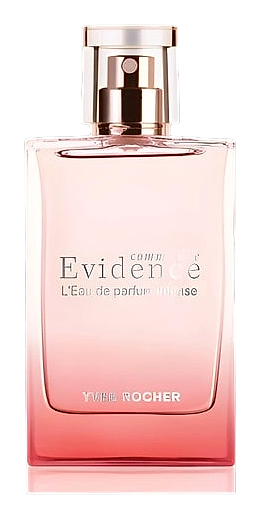
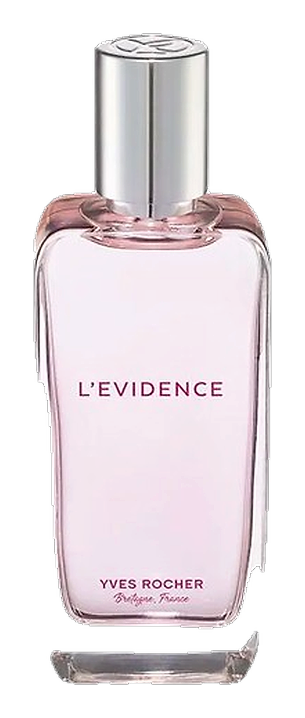
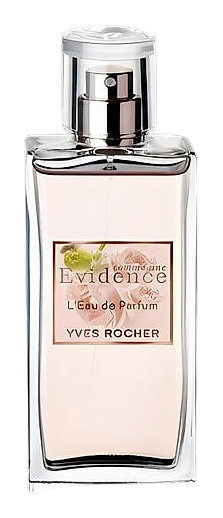
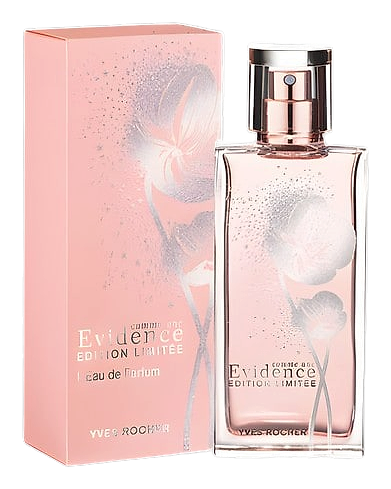
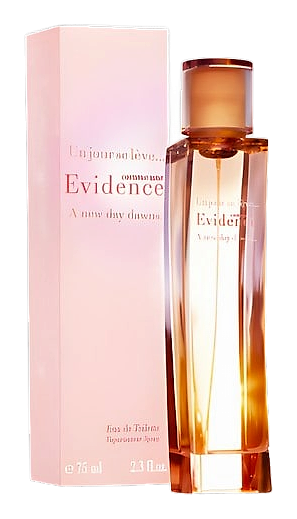
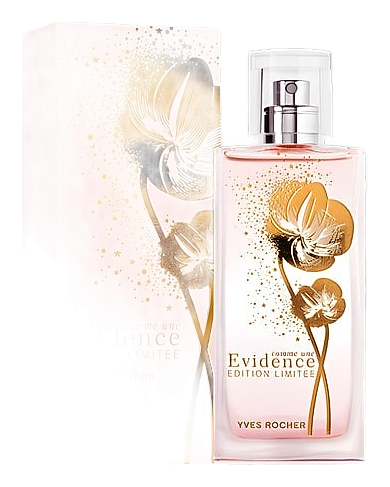
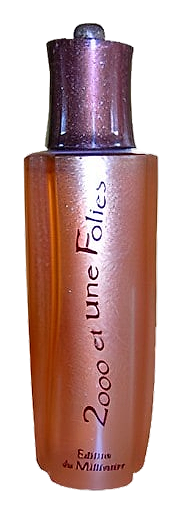
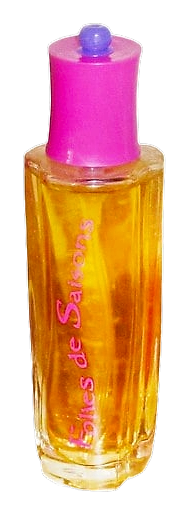
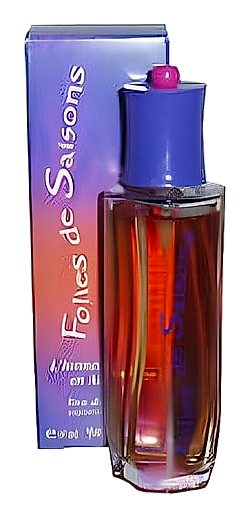
Yves Rocher offers a line of fragrances that sits alongside its skin‑care and cosmetics range. The perfume portfolio draws on the brand’s long‑standing commitment to botanical ingredients, presenting scents that echo the gardens of its Breton origin. From the rose‑centric Ispahan Parfum (1977) to the citrus‑bright Telethon 96 Mandarine de Calabre, each fragrance reflects a plant‑focused sensibility while remaining accessible in a global retail network.
Heritage
Yves Rocher grew from a teenage experiment in the attic of a modest home in La Gacilly, Brittany. In 1959 the 19‑year‑old entrepreneur began selling a plant‑based face cream door‑to‑door, a venture that quickly expanded into a full‑service beauty brand. The company incorporated in 1965, formalising operations that already spanned a modest catalogue of cosmetics and a handful of scented products. By the 1970s the brand introduced its first dedicated perfume, Ispahan Parfum, a tribute to the rose gardens of Grasse and Iran, and it quickly became a reference point for the house’s olfactory direction. The 1990s saw a diversification of scent families, including Samarkande (1990) and the Telethon series, which paired limited‑edition releases with charitable fundraising. In 2000 the Nature Millenaire line arrived, marrying a modern fragrance architecture with the brand’s botanical ethos. Throughout the 2000s Yves Rocher expanded into 88 countries, establishing a network of retail stores and an online presence that kept the original promise of natural beauty within reach. Recent milestones include a 2015 pledge to use recyclable packaging for all fragrance bottles and the 2020 launch of refillable perfume formats, reinforcing a heritage that blends French garden tradition with contemporary sustainability practices.
Craftsmanship
Yves Rocher engineers its fragrances in laboratories that sit adjacent to the La Gacilly garden, allowing perfumers to evaluate raw extracts fresh from the field. The production chain begins with the selection of botanicals that meet strict sustainability criteria; growers must demonstrate soil‑conservation practices and limit pesticide use. Once harvested, petals, leaves or fruits undergo gentle steam distillation or cold‑press extraction to preserve volatile aromatics. The resulting essential oils are blended in small batches, a method that lets artisans adjust proportions based on seasonal variations in raw material quality. Quality control includes gas‑chromatography analysis to verify the purity of each component and sensory panels that evaluate balance, longevity and projection. The brand caps each perfume in bottles made from recycled glass, sealed with caps that incorporate biodegradable plastics. Throughout the process, Yves Rocher adheres to ISO‑9001 standards, ensuring traceability from field to final product. This systematic yet nature‑centric approach yields fragrances that carry the scent of a garden while meeting rigorous safety and performance benchmarks.
Design Language
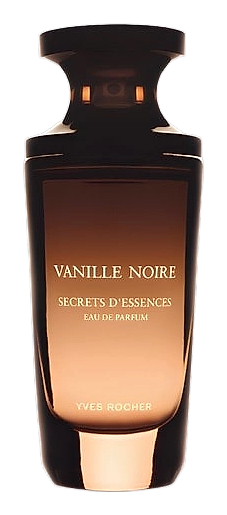
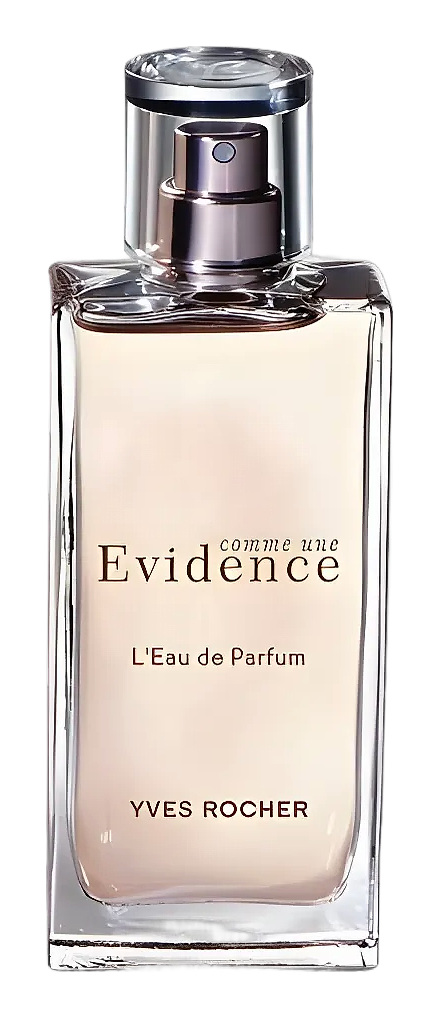
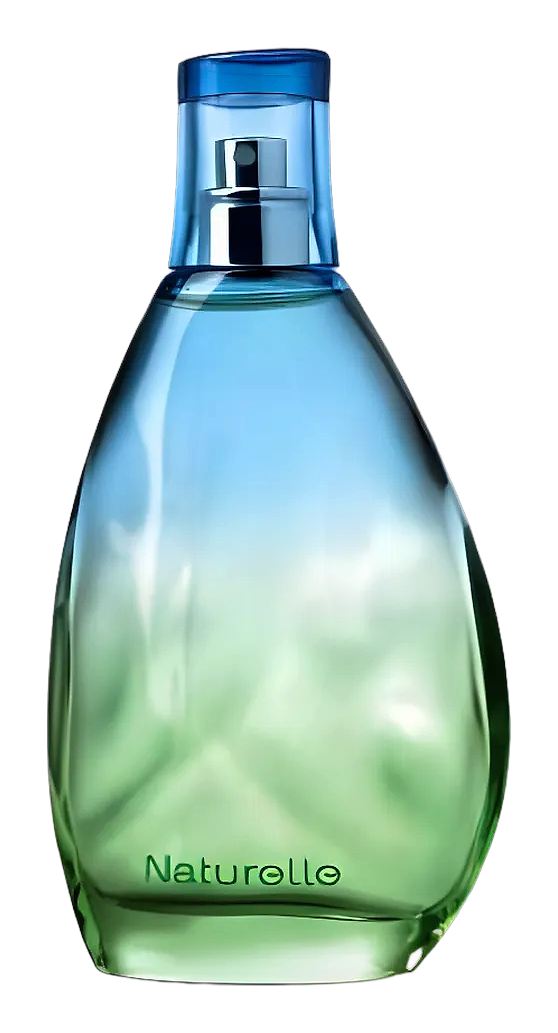
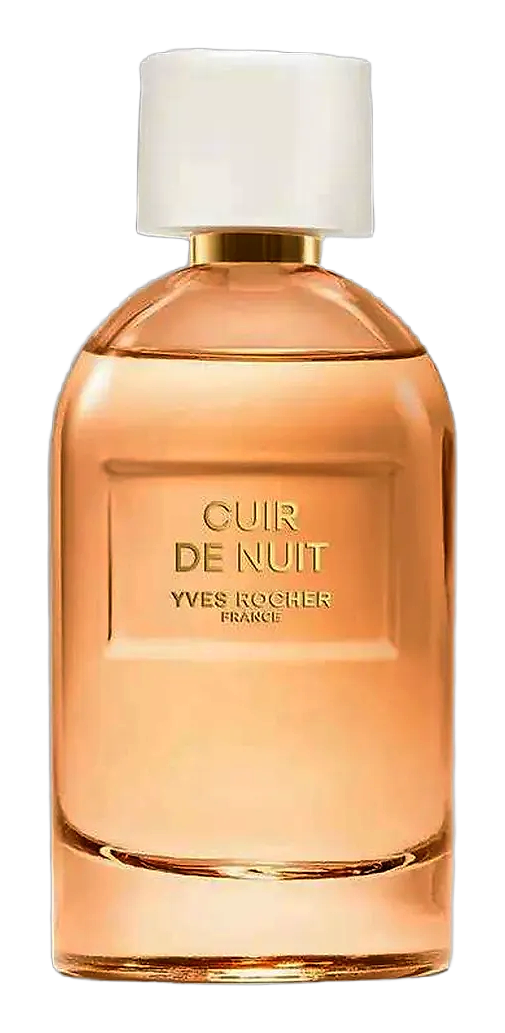
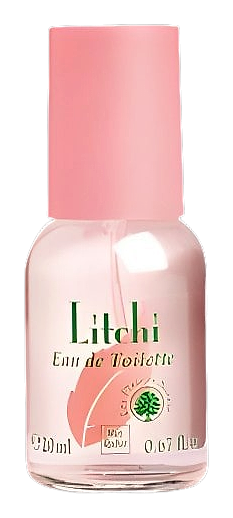
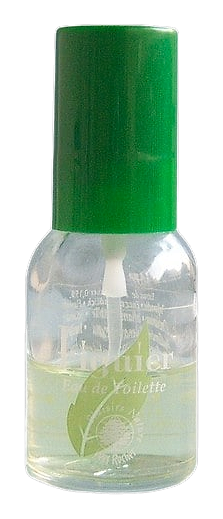
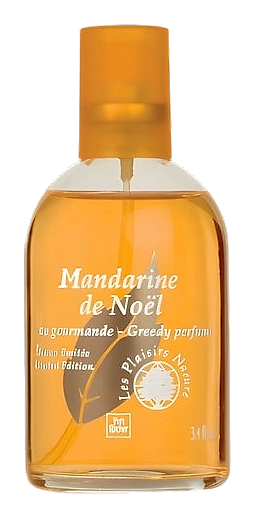
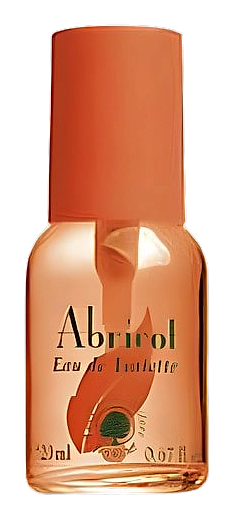
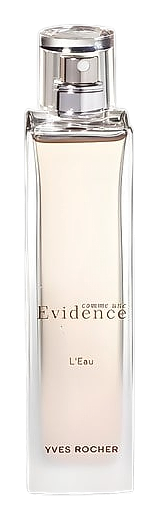
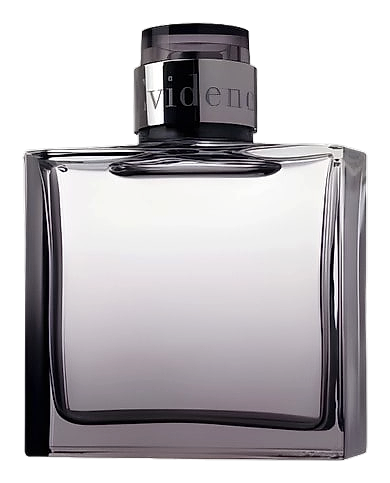
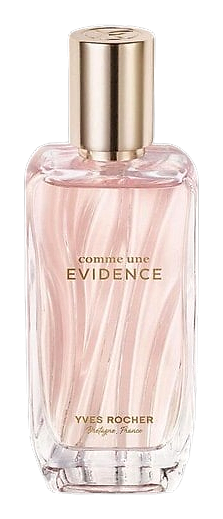
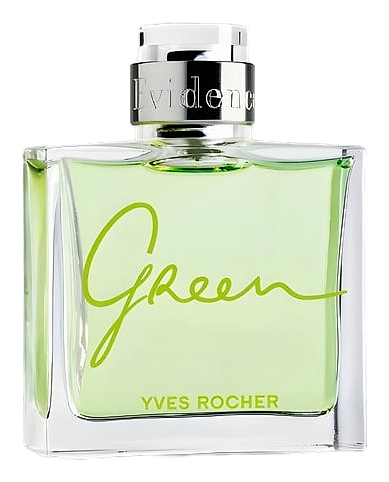
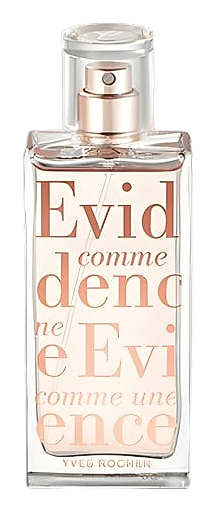
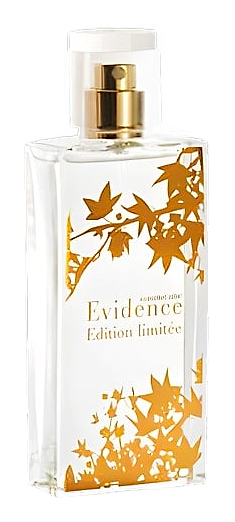
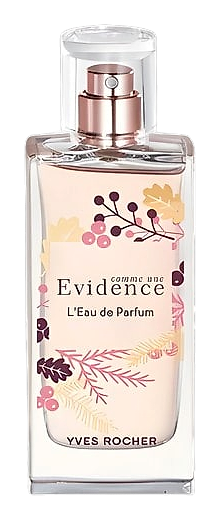
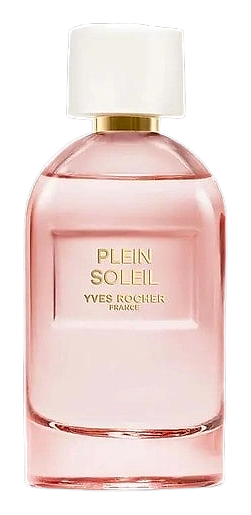
The visual language of Yves Rocher’s fragrance line mirrors the brand’s botanical roots. Packaging features a soft green palette, often accented with pastel hues that evoke petals and leaves. Bottle silhouettes remain simple and ergonomic, avoiding excessive ornamentation in favor of clean lines that highlight the perfume’s colour. Labels display the iconic leaf logo alongside the fragrance name in a serif typeface that balances elegance with readability. Recent editions incorporate matte finishes and tactile embossing, inviting the hand to explore the surface as a prelude to the scent. Sustainable design choices appear in the use of recycled glass and caps made from plant‑based polymers, reinforcing the brand’s environmental narrative. In retail displays, the fragrances sit among miniature potted herbs or dried flower arrangements, creating a miniature garden tableau that reinforces the connection between scent and source.
Philosophy
Yves Rocher frames its creative vision around the idea that nature can be both effective and elegant. The brand prioritises plant‑derived ingredients, sourcing raw materials from farms that practice sustainable agriculture and from its own botanical garden in La Gacilly. It treats fragrance as an extension of skin care, aiming to create scents that feel like an aromatic layer of the same botanical extracts used in its creams and lotions. Transparency guides product development; the company lists key botanical components on packaging and provides information about harvest methods. Environmental stewardship informs every decision, from selecting renewable energy for manufacturing plants to reducing water consumption in distillation processes. The brand also embraces social responsibility, linking several fragrance releases to charitable causes, most notably the Telethon campaigns that have supported French health initiatives since the early 1990s. This blend of botanical authenticity, ecological awareness, and community engagement defines the brand’s approach to perfumery.
Key Milestones
1959
Yves Rocher launches his first plant‑based face cream from the attic of his family home in La Gacilly.
1965
The company incorporates, formalising a range that includes cosmetics, skincare and early fragrance offerings.
1977
Ispahan Parfum debuts, becoming the first signature fragrance that highlights rose extracts from Grasse and Iran.
1990
Samarkande releases, expanding the scent portfolio into oriental spice territory.
2000
Nature Millenaire line launches, marrying modern fragrance composition with the brand’s botanical philosophy.
2015
Yves Rocher announces a commitment to 100 % recyclable fragrance packaging across its perfume range.
At a Glance
Brand profile snapshot
Origin
France
Founded
1959
Heritage
67
Years active
Collection
10
Fragrances released
Avg Rating
4.0
Community sentiment
Release Rhythm


