The Story
Why it exists.
The beginning
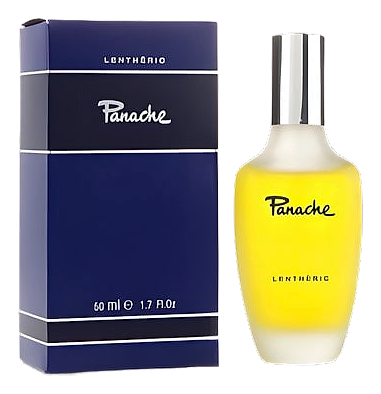
Panache arrived in 1920 with a single intention: to be noticed without trying too hard. The name itself is a statement, panache, that aristocratic flourish of feathers worn on a hat, the kind of gesture that says confidence isn't loud, it's specific. Lentheric had built their reputation on bespoke fragrances from a Rue de la Paix salon, formulas crafted for clients who wanted something that smelled like no one else in the room. Panache was the house's answer to the post-war desire for something new, something with the refinement of the old world but the energy of the new one. The perfumer chose aldehydes, still unusual at the time, to give the top notes a lift that citrus alone couldn't achieve, creating an opening that felt both modern and unmistakably French. It was named for the gesture, the flair, the thing you notice before you understand why.
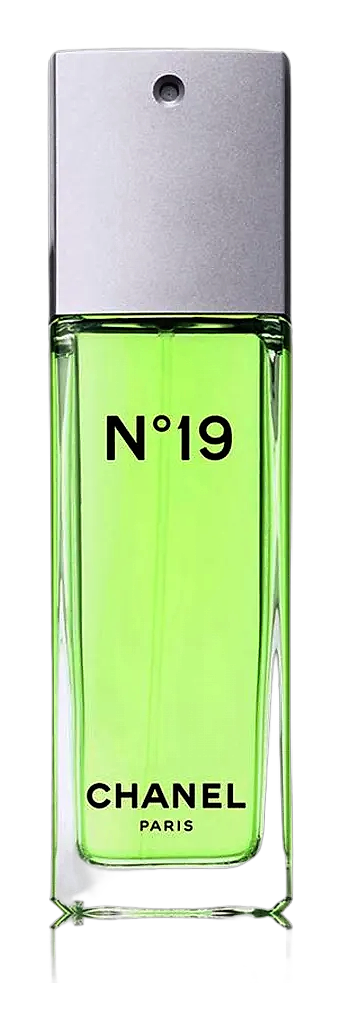
What makes Panache work is the way the aldehydes don't just brighten, they transform. That dry, slightly waxy quality they bring is the skeleton that holds everything else. The citrus and coriander open sharp, almost bracing, then hand off to a heart of ylang-ylang and jasmine that could easily go heavy. Instead, iris arrives midway through and catches the florals, pulling them toward something powdery and refined. It's the same trick that makes Chanel No. 5 work: aldehydes as the architect, florals as the guests, and the whole composition held in place by a base of oakmoss and sandalwood that keeps it grounded without ever going dark.
The evolution
The aldehydes hit first. Sharp, effervescent, a little metallic, like opening a bottle of champagne in a room that's already dressed for dinner. The citrus and coriander follow within minutes, the herbs adding an aromatic edge that keeps the top notes from feeling purely feminine. Thirty minutes in, the florals begin their takeover. Ylang-ylang leads, jasmine follows, and the rose appears just often enough to remind you this is a floral fragrance. The iris is the quiet workhorse here, it doesn't announce itself, but it takes the edge off the sweetness and pushes everything toward powder. By the second hour, the heart is fully established: a rich, layered floral that could easily overwhelm on paper but reads as composed on skin. The drydown is where Panache earns its age. Oakmoss arrives slowly, musk keeping pace underneath, and the sandalwood finally makes its presence known, warm, woody, almost creamy. This is where the fragrance becomes wearable rather than noticeable.
Cultural impact
Panache Original doesn't have the cultural footprint of Chanel No. 5, but among those who know it, it occupies a particular position: the aldehydic floral for people who find Chanel too heavy. It's been discontinued and rereleased more than once, which has only deepened its appeal among collectors of vintage French fragrance. The aldehydic structure places it firmly in the chypre tradition, a family of fragrances known for complexity and longevity rather than immediate likability.