The Story
Why it exists.
The beginning
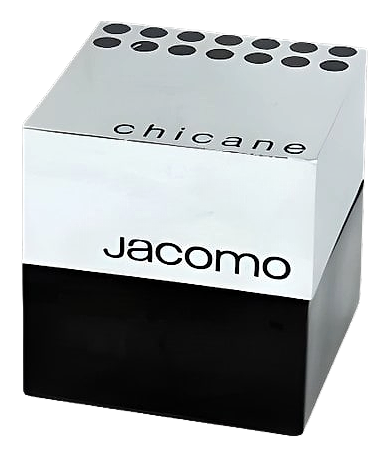
1971 was a year of reinvention, in music, in fashion, in the way women moved through the world. Jean-Claude Astier at Jacomo understood this shift. He built Chicane as an aldehydic floral that didn't announce itself with shock value. It opened bright, lifted by aldehydes that gave the composition its characteristic waxy shimmer, then let the florals, carnation, jasmine, ylang-ylang, do the real work of seduction. The Russian leather and vetiver in the base kept the warmth grounded. This was sophistication without ceremony: the fragrance of someone who had already arrived and didn't need the room to know it. Astier worked within the aldehydic floral tradition that had defined French perfumery since Chanel No. 5, but he structured Chicane differently. The aldehydes never fully recede, they thread through the heart, adding a quality of permanence to the florals above.
What separates Chicane from the aldehydic pack is its carnation-ylang-ylang pairing in the heart. Carnation carries a clove-like spice that most perfumers either love or avoid entirely, here, it gives the florals an edge that prevents the composition from sliding into sweetness. Ylang-ylang, with its creamy tropical character, softens the carnation's sharpness while amplifying the overall richness. The aldehydes don't just open the fragrance; they persist throughout, adding a waxy, slightly metallic quality that binds the spicy florals to the warm sandalwood base. That persistence is the signature. Most aldehydic florals use aldehydes as a brightening agent that fades.
The evolution
The opening is all aldehyde: bright, lifted, almost metallic. Bergamot and lemon arrive with the citrus, but the aldehydes dominate, giving the top notes a waxy, shimmering quality that feels less like fruit and more like candlelight. The fruity notes add a brief sweetness, a hint of something almost peach-like, before the florals begin their slow take-over. By the heart, the carnation asserts itself. Spicy, clove-adjacent, with a warmth that feels intentional rather than accidental. The jasmine rounds it out, creamy and rich, while ylang-ylang adds tropical depth. The aldehydes don't disappear, they deepen, becoming part of the floral structure rather than standing apart from it. This is the longest phase, where Chicane earns its reputation for richness. The drydown takes its time. Sandalwood and tonka bean arrive quietly, their warmth settling close to the skin. The vetiver adds an earthy, slightly smoky edge that prevents the base from becoming too soft. Musk rounds everything, creating a powdery closeness that lingers.
Cultural impact
Chicane occupies a quieter corner of the aldehydic floral tradition, not the icon its contemporaries became, but respected among those who seek the genre without the familiar weight of the heavier names. Its discontinuation has made it harder to find, which has only deepened its appeal among collectors who appreciate what Jean-Claude Astier was building here.