    Brand Profile

    Jacomo is a French perfume house that blends classic French craftsmanship with a modern, understated sensibility. Since the early 1970s the…More

    France·Est. 1962·Site

    3.7

    Rating

    Just Landed

    New Arrivals

    The latest additions to the Jacomo collection.

    38
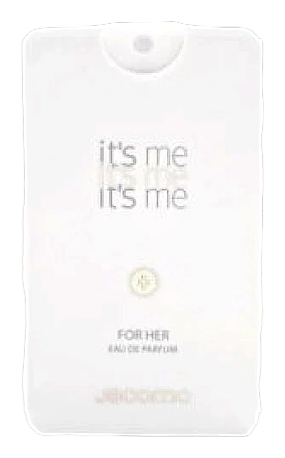
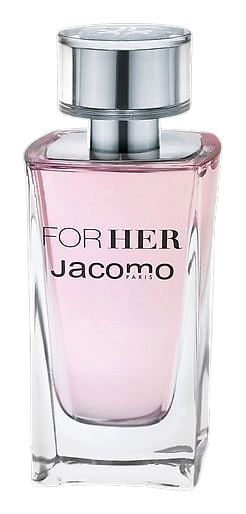
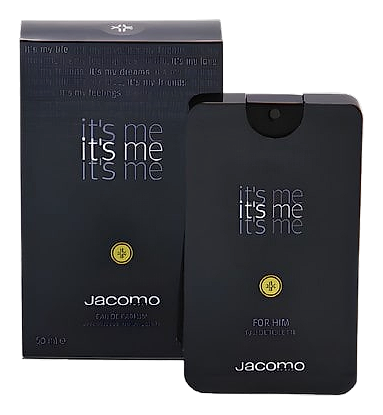
    It's Me For Her by Jacomo
    3.7

    It's Me For Her

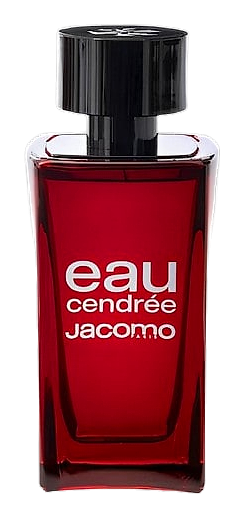
    Eau Cendree (1970) by Jacomo
    Best Seller
    4.6

    Eau Cendree (1970)

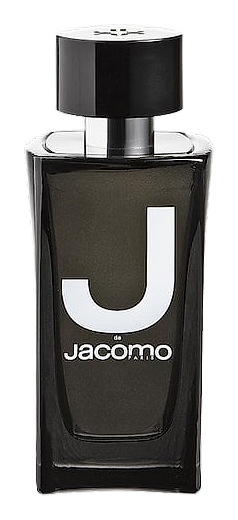
    J de Jacomo by Jacomo
    Best Seller
    4.5

    J de Jacomo

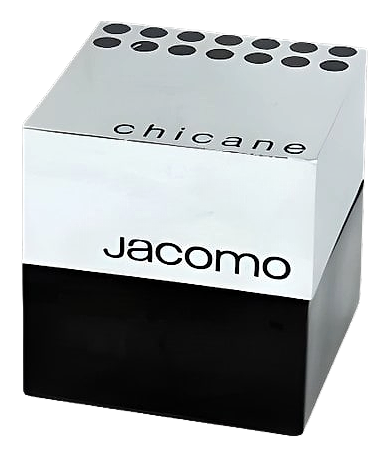
    Chicane by Jacomo
    Best Seller
    4.5

    Chicane

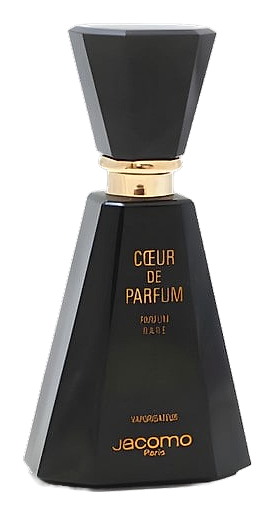
    Coeur de Parfum / Parfum Rare by Jacomo
    4.4

    Coeur de Parfum / Parfum Rare

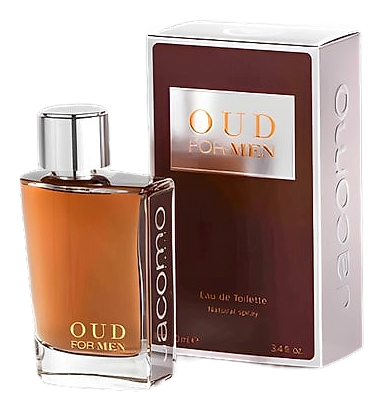
    Jacomo Oud for Men by Jacomo
    4.3

    Jacomo Oud for Men

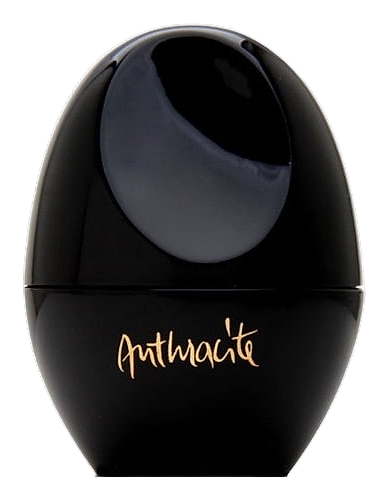
    Anthracite Pour L'Homme by Jacomo
    4.3

    Anthracite Pour L'Homme

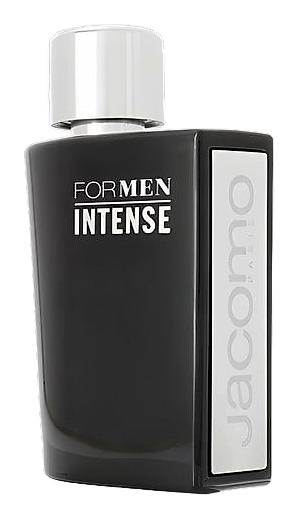
    Jacomo for Men Intense by Jacomo
    4.3

    Jacomo for Men Intense

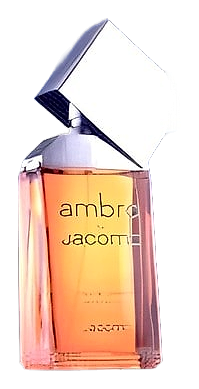
    Ambro de Jacomo by Jacomo
    4.3

    Ambro de Jacomo

    Jacomo de Jacomo by Jacomo
    4.2

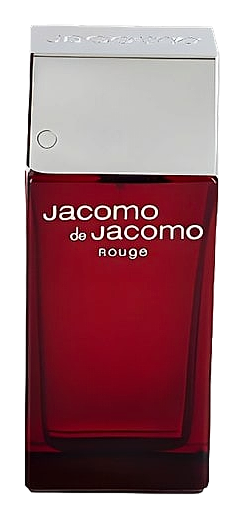
    Jacomo de Jacomo

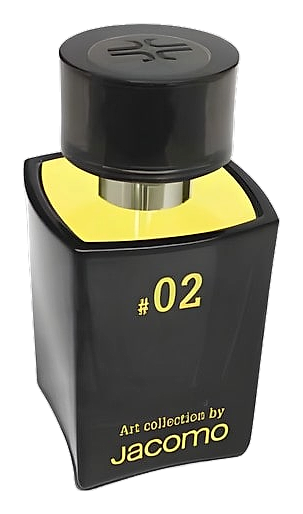
    Art Collection by Jacomo #08 by Jacomo
    4.2

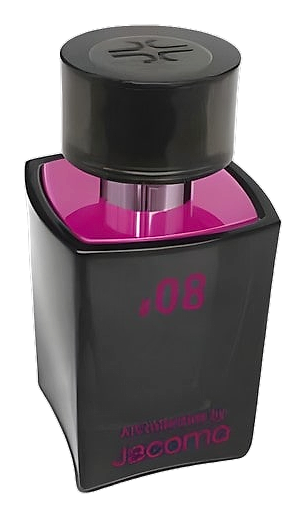
    Art Collection by Jacomo #08

    Silences Purple by Jacomo
    4.1

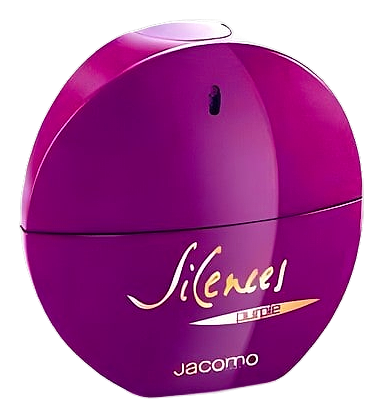
    Silences Purple

    1 of 4

    The Heritage

    The Story of Jacomo

    Jacomo is a French perfume house that blends classic French craftsmanship with a modern, understated sensibility. Since the early 1970s the brand has released a steady stream of niche‑leaning scents, from the smoky wood of Eau Cendree (1970) to the contemporary intensity of J de Jacomo (2024). Its catalogue balances masculine vigor with subtle elegance, offering both timeless staples such as Jacomo de Jacomo (1980) and adventurous newer launches like Jacomo Oud for Men (2013). The house positions itself as a quiet alternative to louder luxury houses, inviting wearers to discover depth without flash.

    Heritage

    Jacomo traces its origins to a chance meeting in 1962 on Fifth Avenue, New York. French pianist Gérard Courtin, recovering from an accident, encountered American leather‑goods entrepreneur James Kaplan. Their conversation sparked the idea of a fragrance line that would echo the tactile quality of fine leather while embracing musical rhythm. Sources note that the perfume house formally launched in the late 1960s, building on this cross‑Atlantic partnership. Early releases such as Eau Cendree (1970) and Chicane (1971) captured the era’s shift toward aromatic‑woody compositions, earning modest acclaim among connoisseurs. In 1980 the eponymous Jacomo de Jacomo arrived, cementing the brand’s reputation for bold, masculine scents. The 1990s saw the introduction of Anthracite Pour L'Homme (1991) and Ambro de Jacomo (1997), both of which explored darker, more gourmand facets. A notable milestone arrived in 2013 when Jacomo Oud for Men brought a traditionally Middle‑Eastern note to a Western audience, signaling the house’s willingness to experiment with exotic ingredients. After a quiet period, the brand announced J de Jacomo in 2024, its first major release in a decade, suggesting a renewed focus on contemporary storytelling. Throughout its history, Jacomo has remained a privately held entity, avoiding the high‑profile mergers that reshaped many French houses, and it continues to operate from Paris, where its original atelier still blends fragrances by hand.

    Craftsmanship

    Jacomo produces its fragrances in a Parisian workshop that follows the classic French method of maceration, where natural extracts steep in alcohol for several weeks before distillation. The house sources many of its raw materials from established growers in Grasse, Provence, and the broader Mediterranean, ensuring that the lavender, bergamot, and rose components meet strict quality benchmarks. For oud‑based compositions, Jacomo works with certified sustainable farms in Indonesia, a practice confirmed by third‑party sustainability reports. The brand employs a small team of perfumers who blend by hand, testing each batch on blotter strips before moving to pilot production. Quality control includes gas‑chromatography analysis to verify that the concentration of key aroma molecules stays within the intended range. Bottles are filled in a temperature‑controlled environment to preserve volatile top notes, and each final product undergoes a sensory evaluation by senior staff before release. While the house does not disclose a single master perfumer, it collaborates with freelance creators who bring distinct perspectives to each launch, a practice common among boutique French houses. This combination of traditional technique, careful ingredient selection, and rigorous testing underpins Jacomo’s reputation for reliable, nuanced scents.

    Design Language

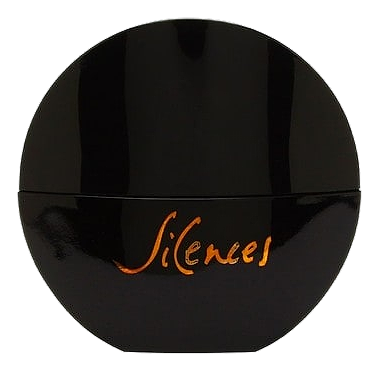
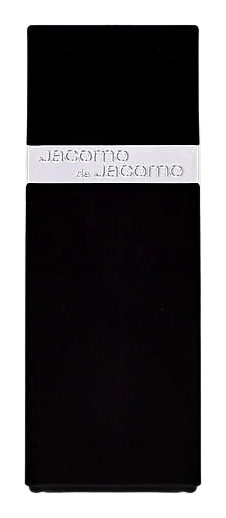
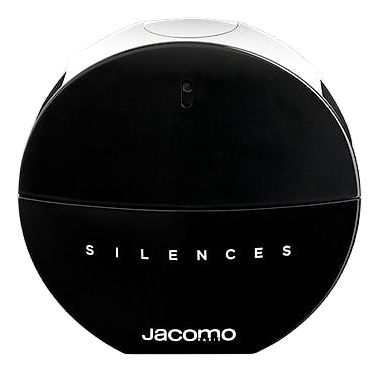
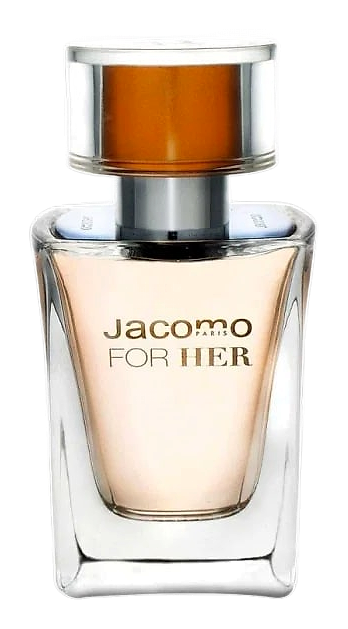
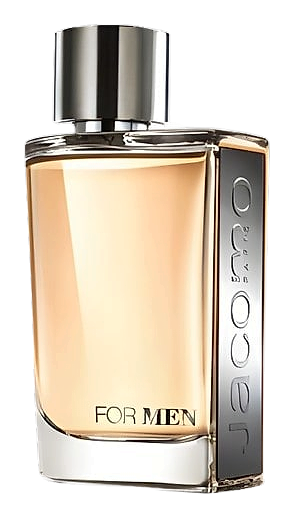
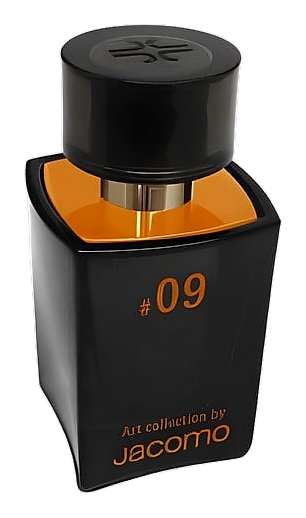
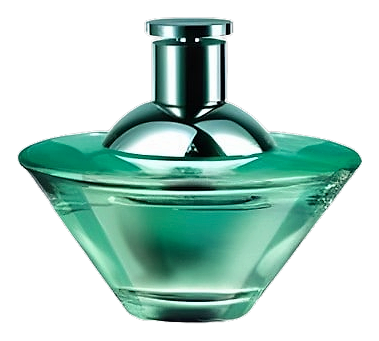
    Jacomo’s visual identity mirrors its olfactory restraint. The brand favors simple glass vessels with clean lines, often finished in matte black or deep amber to hint at the fragrance’s character without excessive ornamentation. Labels display the Jacomo name in a modest serif typeface, accompanied by the year of launch, reinforcing a sense of continuity. Packaging materials are chosen for durability and understated elegance; many bottles arrive in sturdy cardboard boxes with subtle foil stamping rather than glossy prints. The overall aesthetic conveys a quiet confidence, inviting the consumer to focus on the scent itself rather than on flashy branding. Store displays echo this minimalism, using muted lighting and natural wood accents that echo the leather‑inspired origins of the house. This design language aligns with the brand’s philosophy of letting fragrance speak for itself, offering a visual backdrop that feels both timeless and contemporary.

    Philosophy

    Jacomo’s creative vision rests on the belief that scent should echo personal rhythm rather than dictate trends. The house emphasizes authenticity, encouraging perfumers to translate lived experience into olfactory form. Its statements, drawn from interviews with the founders, highlight a respect for craftsmanship and a desire to balance tradition with present‑day relevance. Jacomo values ingredient integrity, preferring raw materials that retain a clear provenance, whether sourced from Grasse’s lavender fields or from sustainable oud farms in Southeast Asia. The brand’s approach to perfumery favors restraint; it layers notes to reveal subtle shifts over time, allowing the wearer’s skin chemistry to shape the final expression. This philosophy aligns with a broader French aesthetic that prizes understated elegance over overt spectacle. By focusing on the intimate relationship between scent and memory, Jacomo aims to create fragrances that feel like a personal soundtrack rather than a marketing slogan.

    Key Milestones

    1962

    Gérard Courtin meets James Kaplan on Fifth Avenue, sparking the idea for a perfume house.

    1970

    Jacomo releases Eau Cendree, one of its earliest aromatic‑woody fragrances.

    1980

    Jacomo de Jacomo debuts, becoming a signature masculine scent for the brand.

    1991

    Anthracite Pour L'Homme launches, expanding the line into darker, gourmand territory.

    2013

    Jacomo Oud for Men introduces mainstream oud to the brand’s portfolio.

    2024

    J de Jacomo arrives, marking the first major new release in over a decade.

    At a Glance

    Brand profile snapshot

    Origin

    France

    Founded

    1962

    Heritage

    64

    Years active

    Collection

    1

    Fragrances released

    Avg Rating

    3.7

    Community sentiment

    Release Rhythm

    2026
    1
    2024
    3
    2023
    1
    2022
    1
    2021
    1
    2019
    1
    2018
    1
    2016
    1
    jacomo.com

    Did You Know?

    Interesting Facts

    Distinctive details and defining moments that shape the house personality.

    01

    The brand’s founding story links music and leather, an uncommon combination in perfume history.

    02

    Jacomo Oud for Men was among the early Western releases that featured natural oud as a central note.

    03

    Jacomo de Jacomo (1980) remains in production, outlasting many contemporaneous releases from larger houses.

    04

    The house operates without a publicly listed master perfumer, instead collaborating with freelance creators for each launch.

    The Artisans

    The Perfumers