The Story
Why it exists.
The beginning
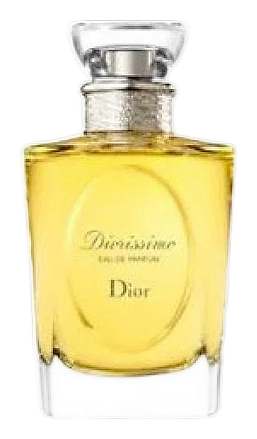
Conceived in 1956 by perfumer Edmond Roudnitska, Diorissimo was born from Diors lifelong fascination with garden blossoms. The houses founder, Christian Dior, grew up among the wild flowers of Granville, a love that seeped into his couture philosophy that perfume is the final touch on a dress. Roudnitska translated this vision into a fragrance that prioritizes the feeling of living flowers over the abstraction of synthetic materials.
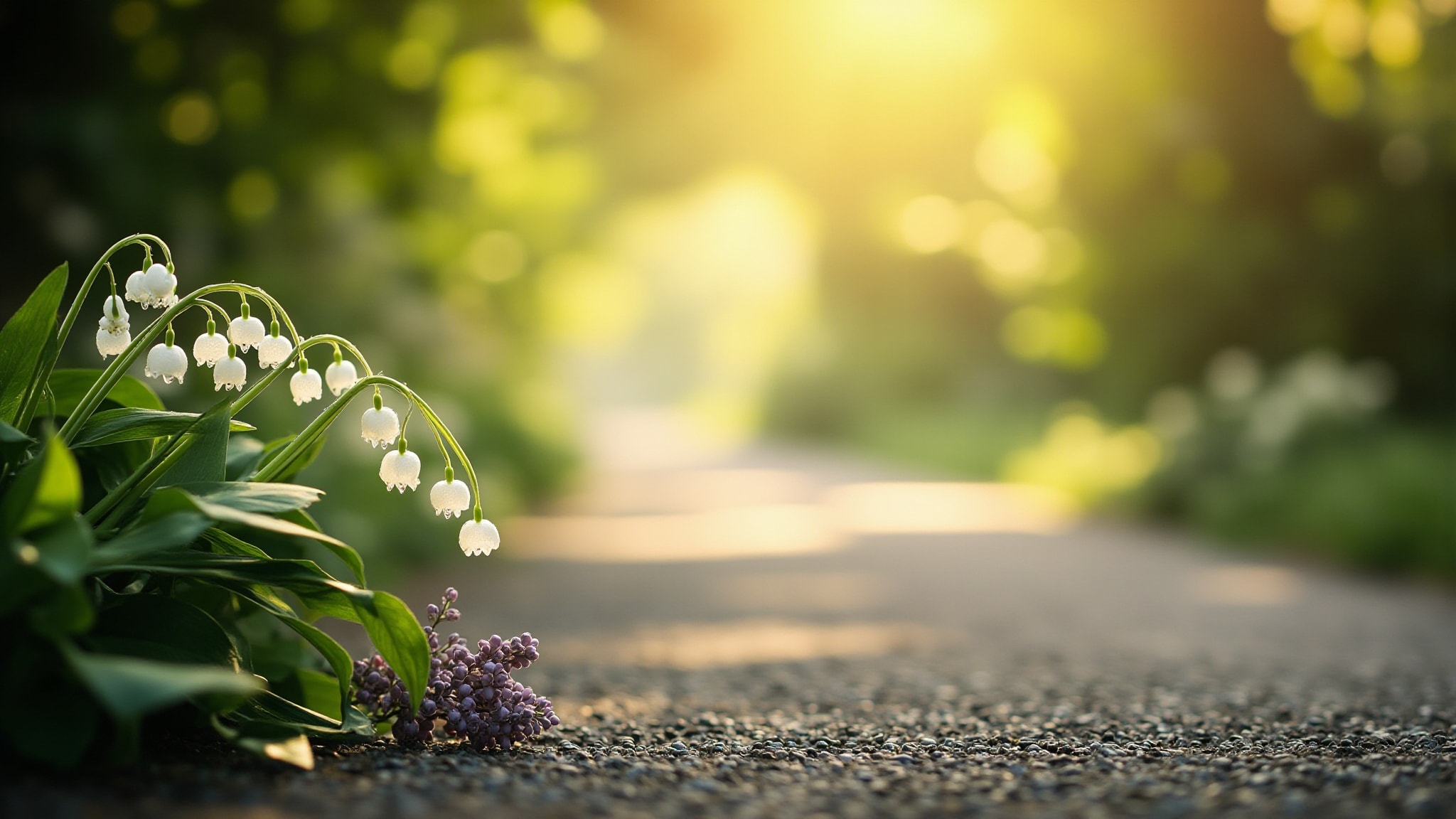
Roudnitska chose these materials to honor the natural garden rather than reconstruct it artificially. Each note serves a purpose in the architecture: green notes provide the stem and leaf, bergamot adds morning dew freshness, and the dense heart of lily of the valley with its supporting florals creates the bloom itself. The civet and sandalwood base represents the earth and living presence of the garden rather than mere projection.
The evolution
The opening with green notes and bergamot establishes immediate freshness before the heart unfolds into a rich blend of white florals. Lily of the valley anchors the composition while jasmine, lilac and ylang-ylang build layers of sweetness tempered by boronia and rosemarys herbal precision. As the florals soften, civet emerges in the drydown to lend an animalic warmth that keeps the garden scent from feeling purely decorative. Sandalwood follows, offering creamy woody comfort that extends the wear into lasting memory.
Cultural impact
Since its launch, Diorissimo has become more than a perfume; it represents a turning point in the late 20th‑century fragrance landscape, capturing the spirit of the era’s fascination with nature and femininity. The scent’s focus on ylang‑ylang, a flower traditionally associated with exotic gardens, resonated with a generation seeking both sophistication and a touch of the wild. Its introduction coincided with a broader cultural shift toward celebrating individuality in personal style, and it quickly found a place in the wardrobes of artists, musicians, and socialites who prized its airy elegance. Over the decades, Diorissimo has been referenced in fashion editorials, film soundtracks, and even literary works, cementing its status as a cultural touchstone.