The Story
Why it exists.
The beginning
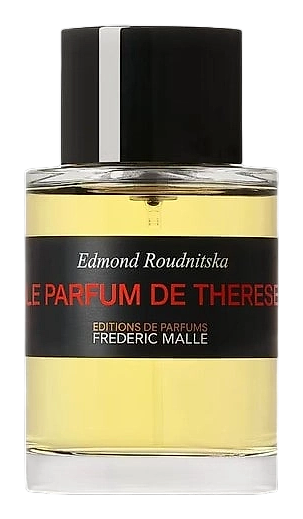
Edmond Roudnitska composed Le Parfum de Thérese in the late 1950s. Not for a market. Not for a brief. For his wife. He tucked it away after she fell in love with it, and it stayed there, hers alone, through decades of the perfume industry reshaping itself around commercial instincts. No one outside their home knew it existed. She wore it, kept it, and kept the secret. In 2000, when Frédéric Malle began building Editions de Parfums around a radical premise, that perfumers should sign their work and answer to no committee, he reached out to Thérèse Roudnitska directly. She agreed to release her husband's formula into the world. The fragrance that had lived as a private love letter became, at last, a public one.
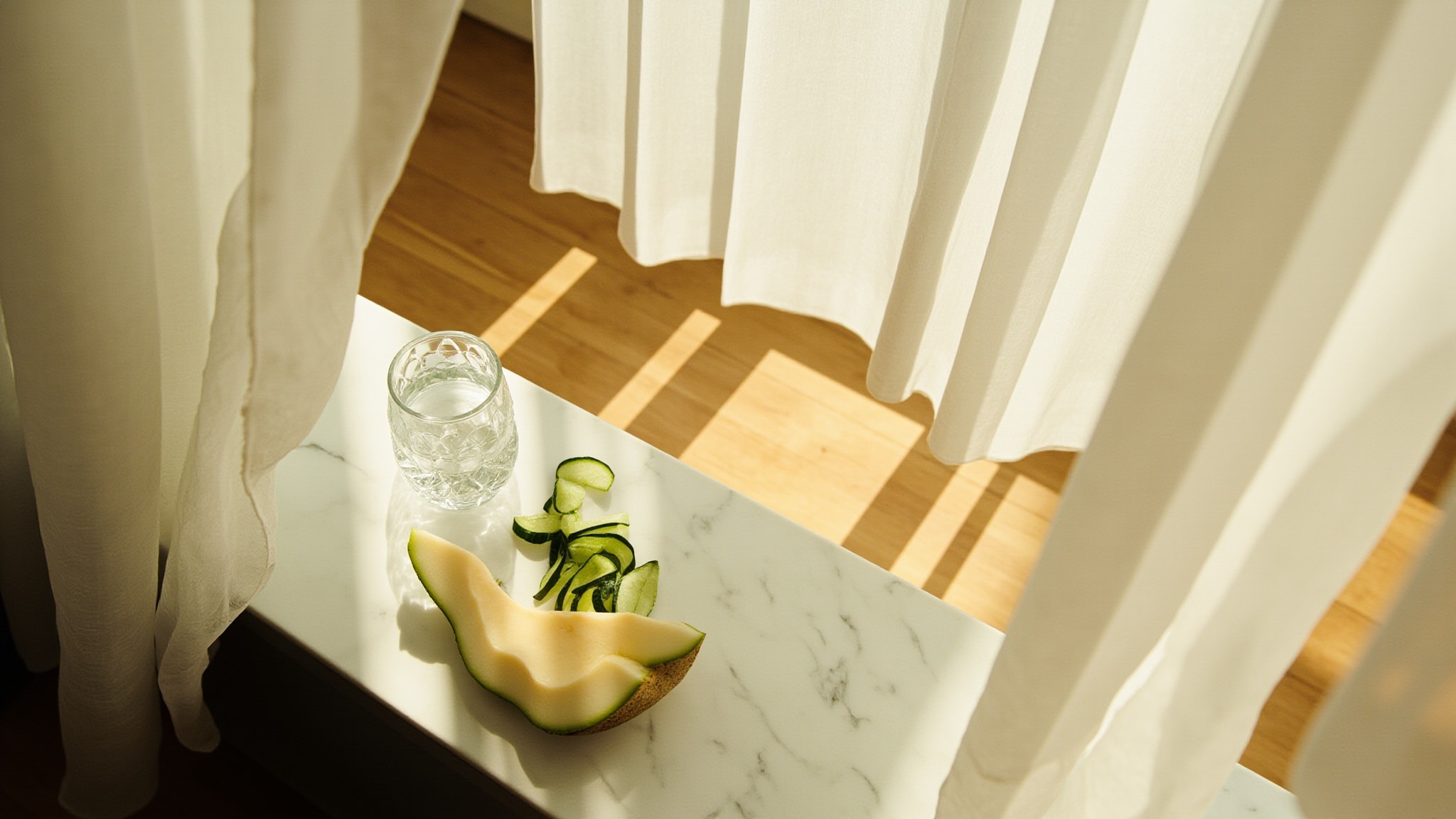
The structure breaks from the classic chypre in its opening act. Where most chypres of the era opened with bergamot or citrus, Le Parfum de Thérese leads with melon and cucumber, a watery, almost mineral freshness that reads as both cool and strange. This was not the language of 1950s perfumery. It arrived in 2000 with an accent no one quite recognized. The fruity-floral heart of plum, jasmine, and rose follows, building warmth without sweetness. Patchouli and vetiver provide the drydown, but it's the blond leather that makes the base linger, something clean, almost paper-like, that clings to fabric and skin long after the florals fade.
The evolution
It opens bright. Melon and cucumber arrive together, not separate notes so much as a single impression of cool fruit-water, dewy and clean. The sillage builds quietly in the first twenty minutes, moderate but present, announcing itself without announcement. Then the heart takes over. Plum leads, not sweet exactly, but ripe, the kind of fruit you smell from across a market stall. Jasmine follows, slightly indolic, grounding the sweetness in something earthier. Rose sits underneath, adding a powdery warmth that could read vintage if you let it. The base arrives around the two-hour mark. Patchouli brings its signature earth, vetiver its green-smoky edge, but it's the blond leather that changes everything, clean, almost papery, a dry warmth that reads nothing like the heavy leathers of the era. By hour five, you're in the drydown. The fruit has gone quiet. The leather remains. It lives on skin for eight to ten hours, and on fabric it can linger into the next day, a faint trace, clean and warm, like something remembered rather than worn.
Cultural impact
Le Parfum de Thérese arrived in 2000 with no category to contain it. Frederic Malle's Editions de Parfums had already disrupted the industry by naming perfumers, but this release went further: a composition from the late 1950s by Edmond Roudnitska, kept private by the Roudnitska family for four decades, finally authorized for public sale by Therese herself. The timing mattered. In 2000, the market had fully embraced the fruity-floral mainstream that would dominate the next two decades. Here was a cool, mineral, leather-forward chypre that smelled like nothing contemporary, yet nothing truly vintage either. It occupied a strange middle ground that confused retailers and intrigued a small, devoted audience.