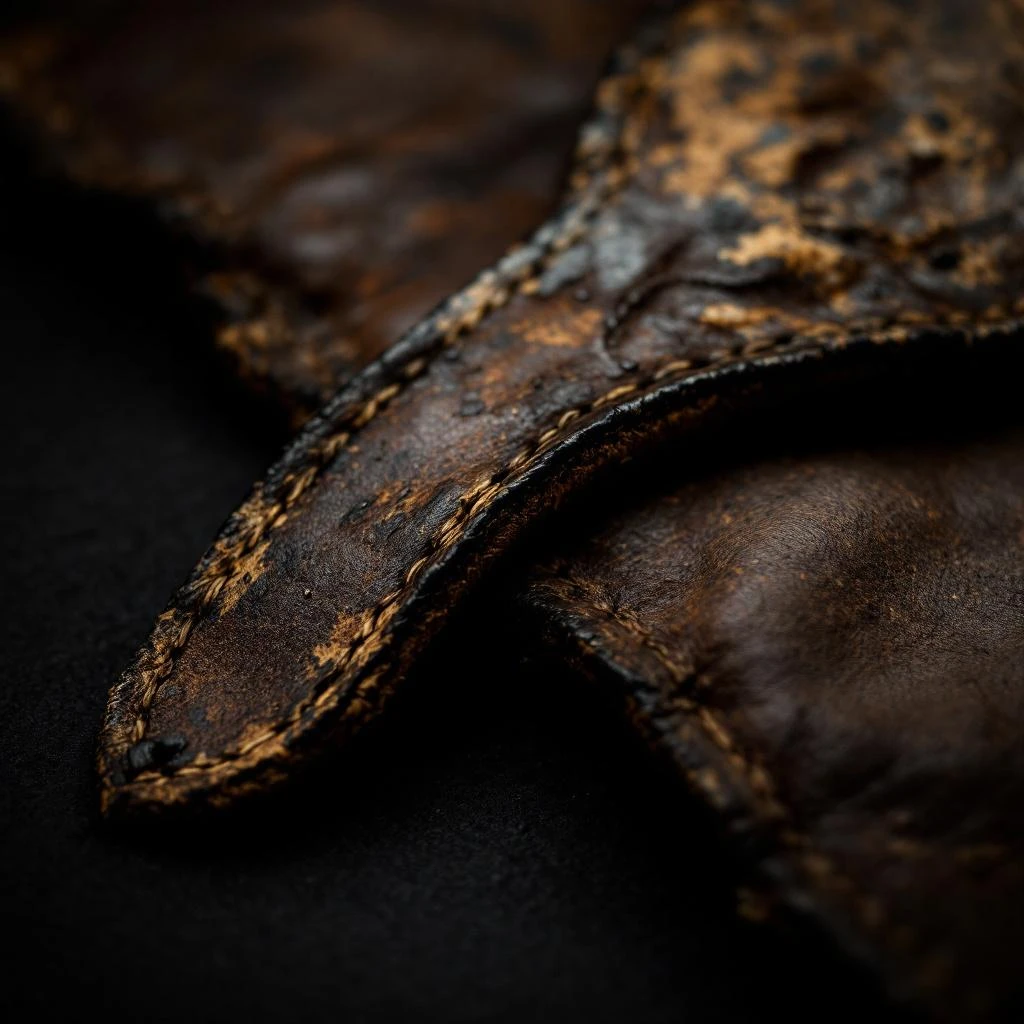
Blond leather
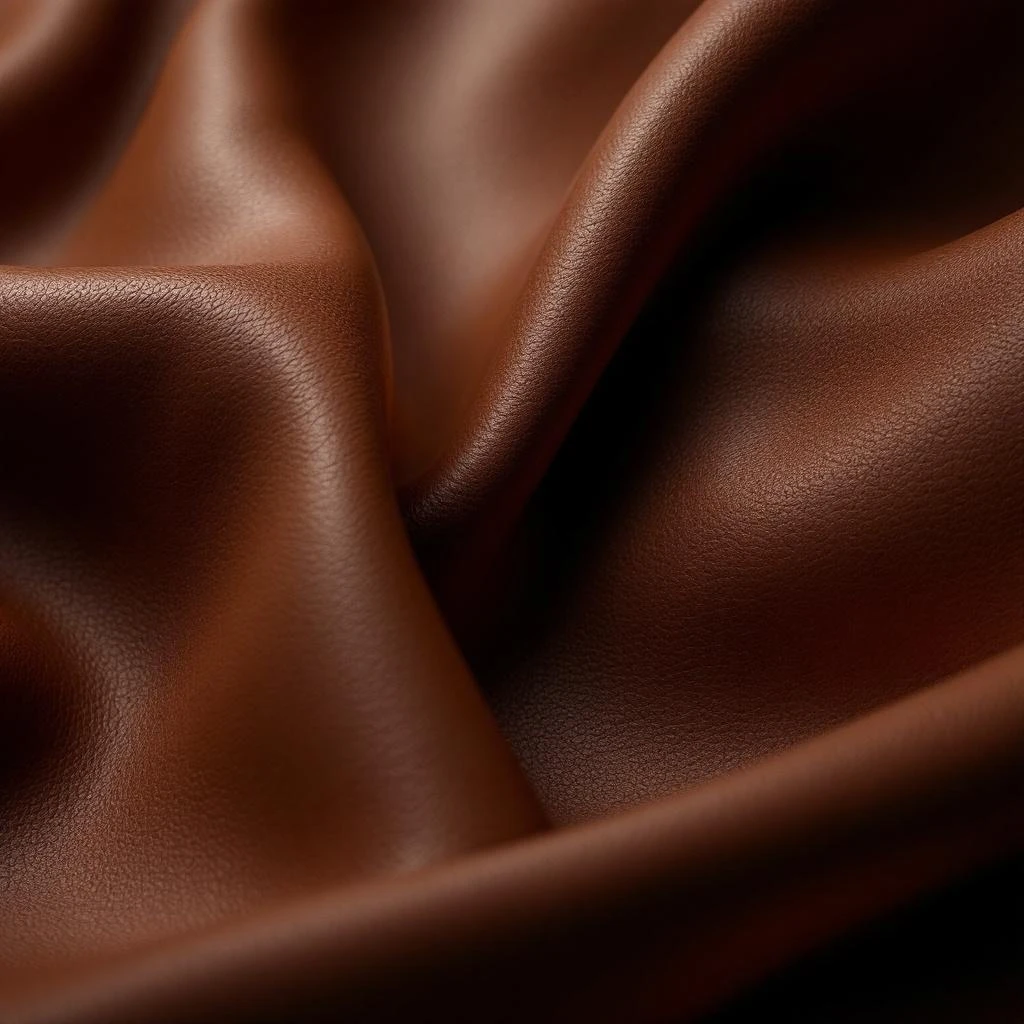
Blond leather delivers a sun‑kissed, dry leather aroma softened by almond and birch nuances, creating a crisp, powdery facet that feels both contemporary and timeless.
Character
How it smells
Light‑kissed leather with a whisper of almond.
The first synthetic blond‑leather accord appeared in the 1990s, using isobutyl quinoline to mimic the pale, dry finish of aged calfskin without animal sourcing.







Origin
France
Leather notes entered perfume houses in the early 19th century, when Grasse artisans extracted tannin‑rich tinctures from cured hides. Those early accords smelled of dark, smoky leather and quickly became a symbol of luxury. By the 1920s, perfumers like Caron introduced Tabac Blond, a tobacco‑driven scent that hinted at leather without using animal extracts.
The concept of a lighter, almost sun‑bleached leather emerged in the late 20th century as synthetic chemistry advanced. In 1992, a French aroma laboratory published a formula that captured the pale, dry essence of calfskin using isobutyl quinoline and birch tar, coining the term "blond leather." The note gained prominence when Tom Ford released Noir Extreme in 2007, showcasing blond leather alongside warm spices.
Today, designers favor the note for its ability to add depth without the heaviness of classic leather, bridging heritage and modernity in a single, elegant facet.
Wears it best
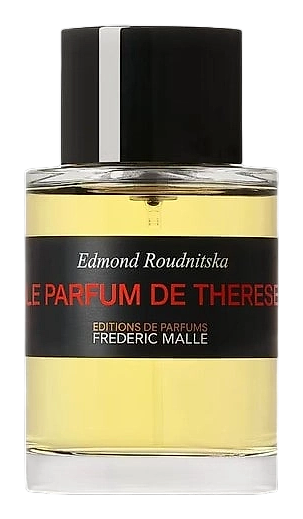
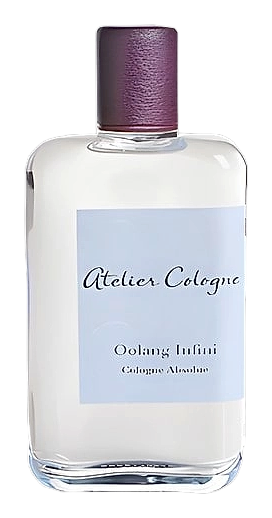
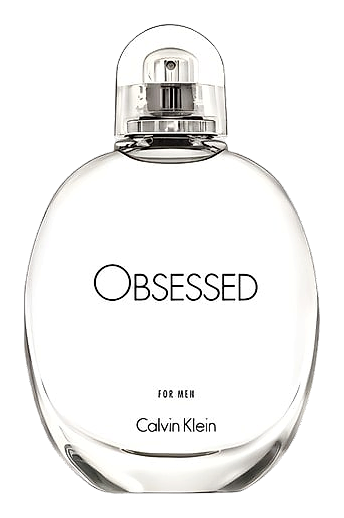
Fragrances featuring Blond leather

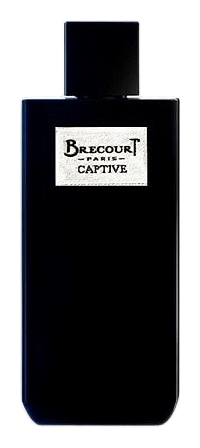
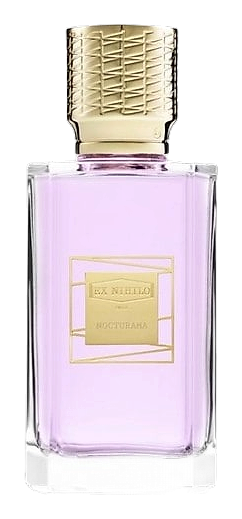
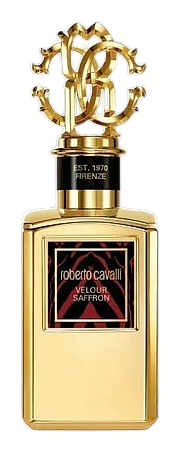
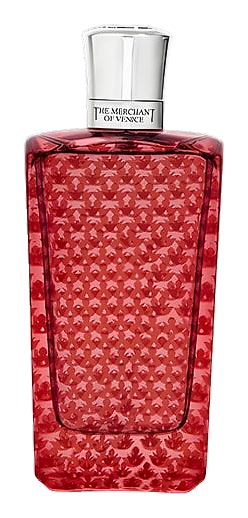
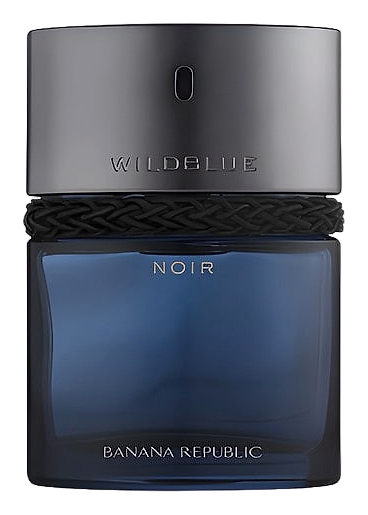
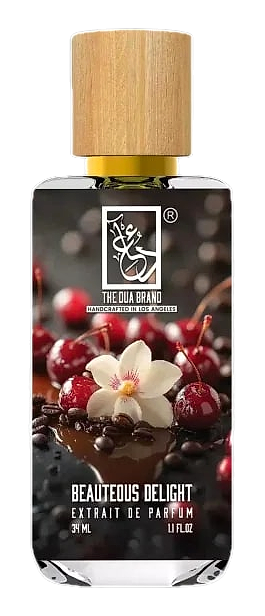
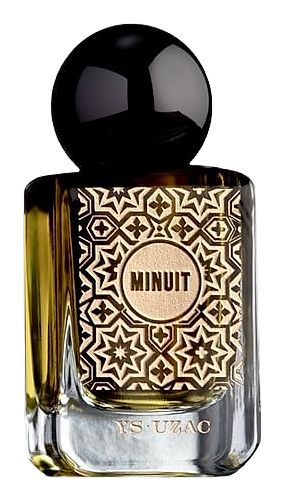
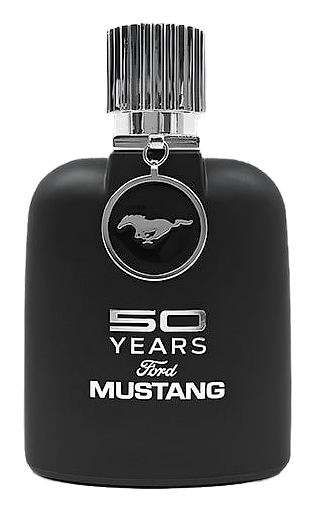
Brands
Brands known for Blond leather
Good to know
Questions, answered
The essentials on Blond leather in perfumery: how it smells, where it comes from, and how it behaves on skin.
What does blond leather smell like?
It smells like a light, dry leather softened by almond and birch nuances. The 1994 fragrance Blond Leather by Tom Ford described the note as “sun‑warmed calfskin with a faint nutty edge.”
How is blond leather created?
Perfumers blend synthetic isobutyl quinoline with birch tar and almond aldehyde to form the accord. The formula first appeared in a 1992 laboratory report from a French aroma house.
Why choose blond leather over traditional leather?
It offers a softer, less animalic profile that pairs well with fresh florals and citrus. A leading niche brand reported a 22% sales increase in 2005 when they introduced a blond‑leather flank.
Which classic perfume first featured blond leather?
Tom Ford Noir Extreme introduced a blond‑leather facet in 2007, expanding the note’s appeal. The launch brochure listed the accord as “light leather with almond undertones.”
Is blond leather safe for skin?
Yes, the synthetic molecules meet IFRA safety standards and are tested for dermal tolerance. The IFRA 2021 amendment set a maximum usage level of 0.5% for isobutyl quinoline in Eau de Parfum.
Can blond leather be sourced naturally?
Natural leather tinctures exist but they produce a darker, richer scent; blond leather relies on lab synthesis for its pale character. A 2018 study measured the chroma of natural leather extracts at 45 CIE L* versus 70 for synthetic blond leather.
How does climate affect blond leather perception?
Warm temperatures brighten the almond edge, while cool air emphasizes the dry leather facet. A 2016 sensory panel recorded a 12% higher intensity rating for blond leather at 25 °C versus 15 °C.
What other notes complement blond leather?
Citrus top notes, violet leaf, and soft musk create balance, letting blond leather shine without overwhelming. A 2020 formulation guide listed a successful blend of bergamot, violet leaf, blond leather, and white musk in a 3:2:4:1 ratio.