Cucumber
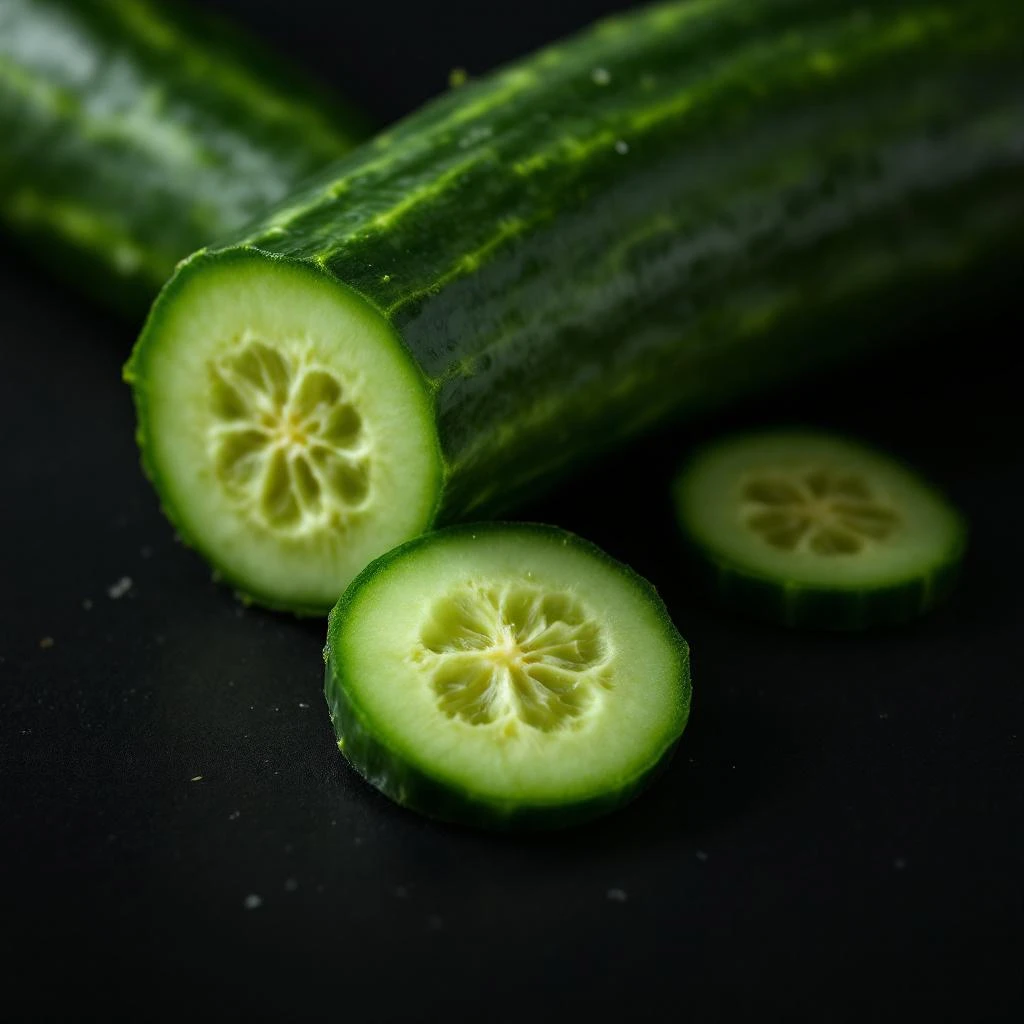
Cucumber in perfumery is water with a green rind. Crisp, cool, and clean, it brings a fresh-sliced brightness that feels almost transparent. The note gives florals a dewy quality and makes citrus feel colder, adding a bright, cooling breath that evokes stepping into shade on a hot day.
Character
How it smells
Fresh, green, and cool—cucumber brings spa-like clarity to summer fragrances
Cucumbers were cultivated over 3,000 years ago in the high Himalayan foothills before spreading along ancient trade routes to Mesopotamia and beyond.









Origin
India
Cucumber originated in the high Himalayan foothills over 3,000 years ago, making it one of the oldest cultivated vegetables in human history. From the Indian subcontinent, it spread along ancient trade routes to Mesopotamia and the Mediterranean basin, where ancient Greeks and Romans valued it for both culinary and cosmetic uses.
The vegetable made its way westward to Western Europe with Charlemagne in the ninth century, who mandated its cultivation on imperial farms. French physicians of the medieval period documented its cooling properties for the skin, laying groundwork for its eventual use in cosmetics.
As global trade expanded, cucumber became a fixture in kitchens and apothecaries across Europe. In perfumery, it emerged as a sought-after material during the twentieth century's push toward fresh, aquatic fragrance families, though its use required careful formulation to prevent it from disappearing too quickly or resembling shampoo rather than a refined botanical note.
Wears it best
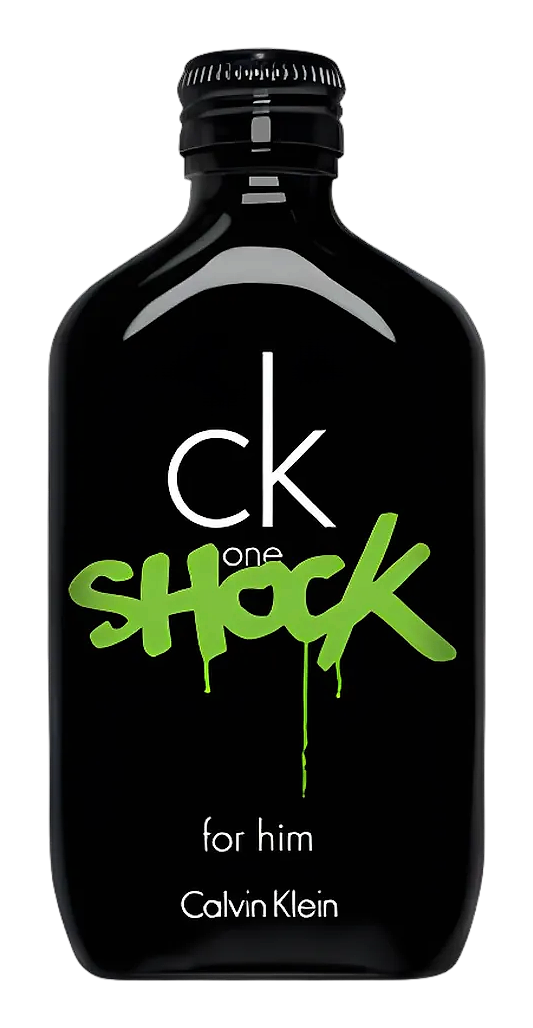
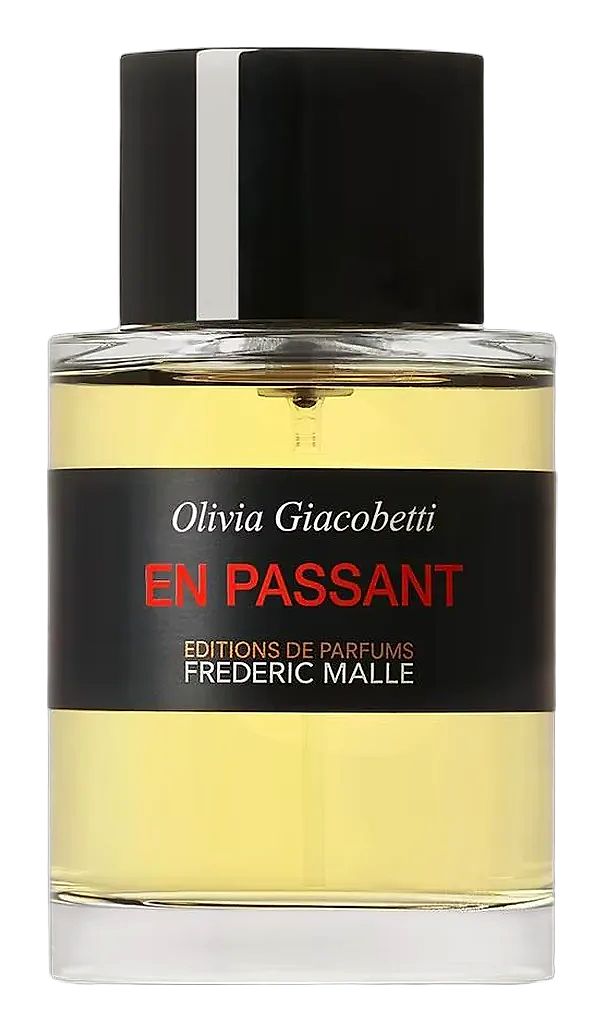
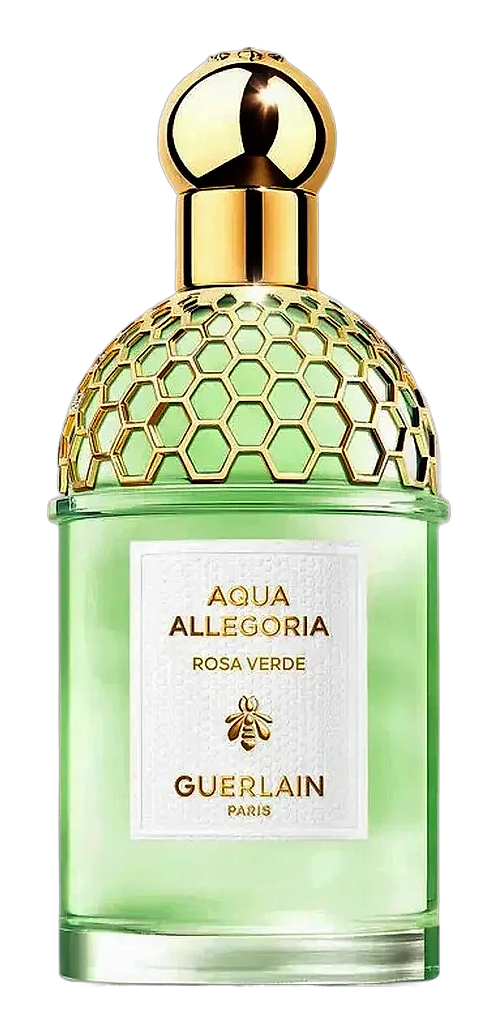
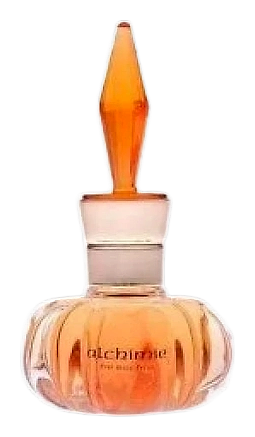
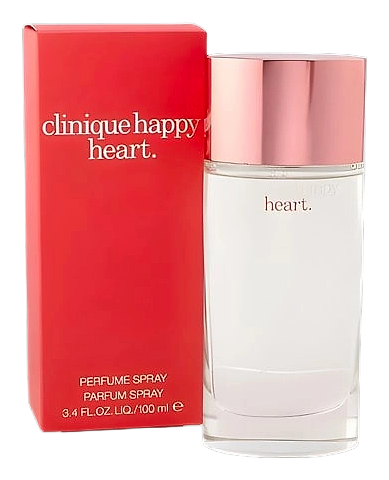
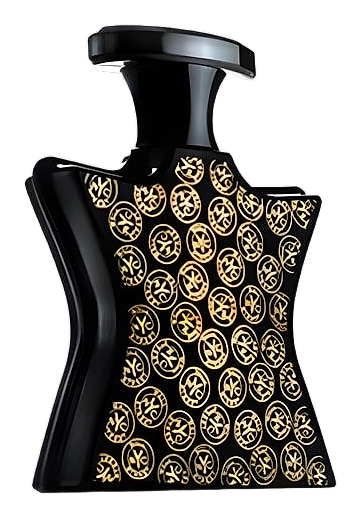
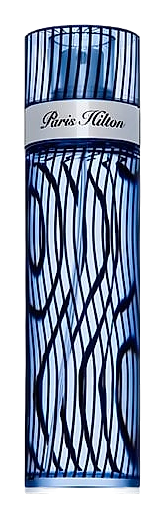
Fragrances featuring Cucumber


Brands
Brands known for Cucumber
Good to know
Questions, answered
The essentials on Cucumber in perfumery: how it smells, where it comes from, and how it behaves on skin.
What does cucumber smell like in perfumery?
Cucumber delivers a fresh, green, and cool aroma reminiscent of just-cut cucumber with a crisp, watery quality. It carries a slightly vegetal edge from the rind alongside a clean, dewy sweetness that feels almost transparent in composition.
Is cucumber a natural or synthetic ingredient?
Primarily synthetic. Cucumber's delicate volatile compounds dissipate quickly, making natural extracts unstable. Most perfumers use laboratory-created aromatic molecules that replicate cucumber's green aldehydes and aliphatic compounds with greater consistency.
What fragrances pair well with cucumber notes?
Cucumber pairs naturally with violet leaf, lily of the valley, peony, and other dewy florals, enhancing their freshness. It also amplifies citrus compositions, giving orange and bergamot a colder, more modern feel. Green aldehydes and airy musks are common companions.
How long does cucumber last in a fragrance?
Cucumber functions as a top or heart note that fades within one to three hours without proper fixation. Supporting ingredients like green aldehydes, violet leaf effects, or durable musks help extend its presence and maintain the cooling effect throughout wear.
What makes cucumber unusual compared to other fresh fragrance notes?
Unlike citrus, which provides sharp brightness, or mint, which delivers an immediate cooling rush, cucumber offers something subtler: a gentle, watery coolness with a slightly vegetal edge. It refreshes without imposing, creating an impression of shade rather than intensity.
Does cucumber have any historical significance in perfumery?
While cucumber has been cultivated for over 3,000 years, its role in perfumery is relatively modern, gaining prominence in the twentieth century as consumers embraced fresh, clean fragrance profiles, particularly for summer and aquatic compositions.
Why is cucumber popular in summer and spa fragrances?
Cucumber's clean, cooling character directly evokes the sensation of refreshment, making it ideal for summer fragrances. Its association with spa treatments and wellness culture reinforces its appeal in products designed to convey purity, calm, and a sense of relief from heat.
How do perfumers extract or create cucumber aroma compounds?
Perfumery uses supercritical CO2 extraction for natural cucumber essence and synthetic recreations of key molecules such as cis-3-hexen-1-ol for the green leaf character and 2,6-nonadienal for the distinctive watery depth. Synthetic versions offer superior stability in fragrance formulas.