The Story
Why it exists.
The beginning
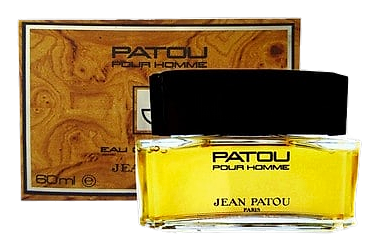
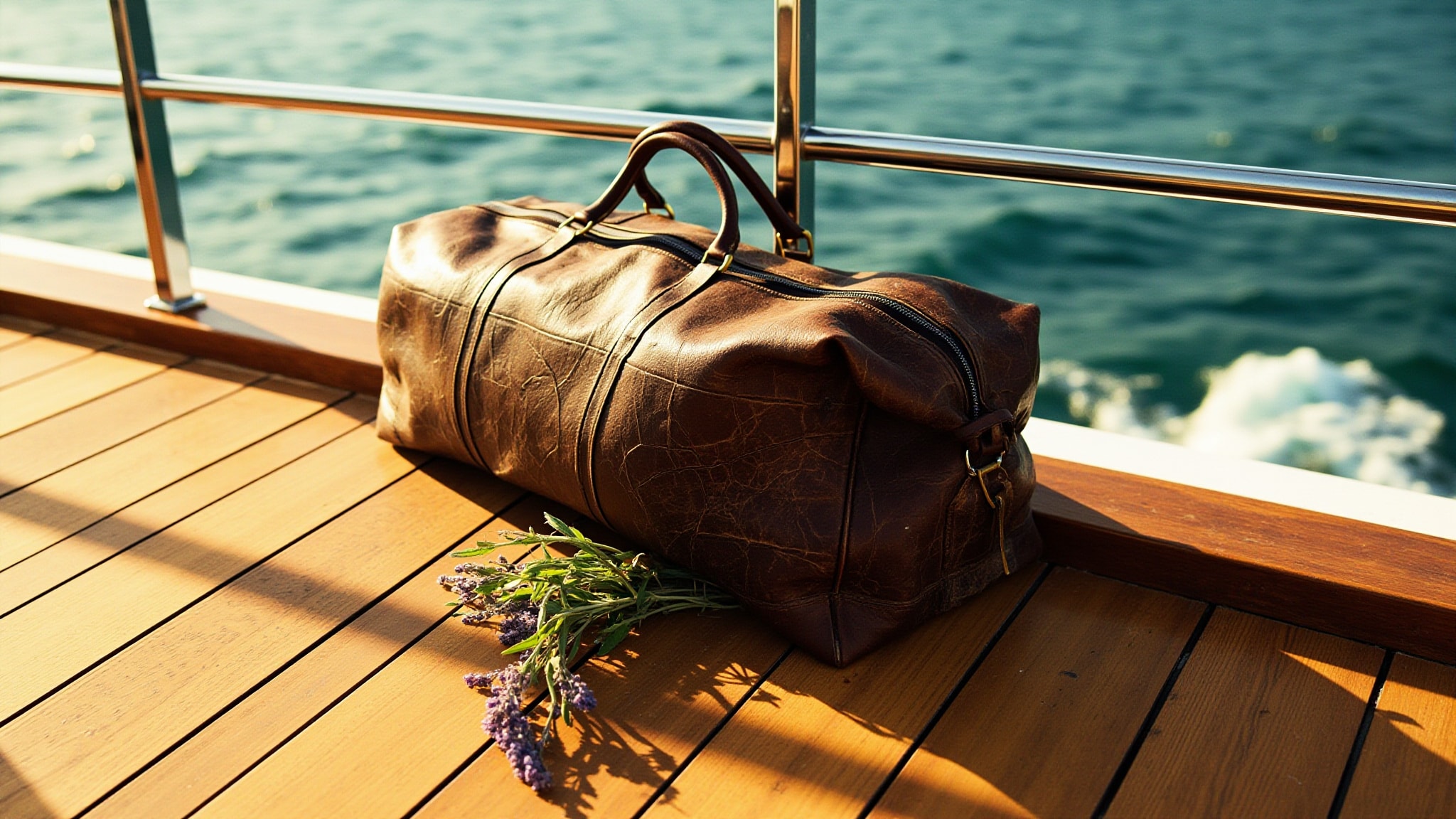
Jean Patou spent decades dressing women for movement, tennis courts, yacht decks, sunny terraces, before turning his attention to fragrance. Patou pour Homme arrived in 1980, designed by in-house perfumer Jean Kerléo to extend that sporting elegance into men's scent. The timing mattered: 1980 was saturated with masculine declarations, all competing to announce themselves louder. Patou took a different angle, confidence that didn't need to argue for space.
The composition reflects Patou's roots without leaning on nostalgia. Clary sage and lavender anchor the opening with a cool, herbal precision that feels considered rather than aggressive. Beneath that, basil and black pepper add green, slightly wild notes, the fragrance's quiet suggestion of physical activity. The six-note top structure is unusually dense for its era, giving the opening unusual complexity before the handoff to the heart.
The evolution
The clary sage and lavender open cool, almost medicinal in their precision. Basil and black pepper arrive quickly, adding a green-spicy lift that keeps things from settling too quickly. The heart takes its time, patchouli doesn't rush, and the cedar-fir structure builds slowly, giving the composition weight without heaviness. Then civet arrives. That's the tell. Leather and vanilla follow, but it's the civet that defines the drydown, animalic, present, insistent. Eight to ten hours on most skin. The sillage stays strong through hour four, then retreats to something intimate, close, almost conspiratorial. This is a fragrance that announces in the first act and whispers in the last.
Cultural impact
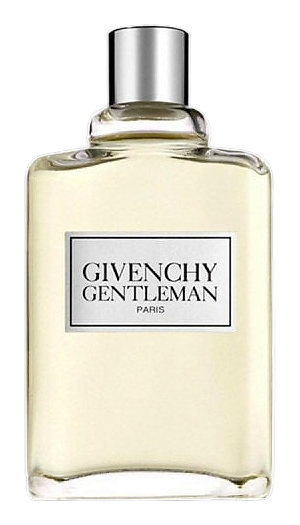
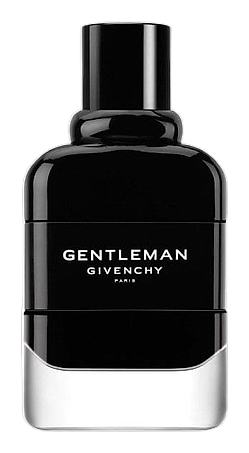
Patou pour Homme occupies an interesting position in masculine fragrance history. Released in 1980, the same era as Polo, Drakkar Noir, and Givenchy Gentleman, it chose complexity over declaration. The civet and leather combination reads as old-world now, a reminder of when masculine fragrances weren't afraid of animalic presence. Wearers describe it as the scent of someone who doesn't need to announce themselves, which is both the fragrance's greatest strength and the reason it never achieved the mass recognition of its contemporaries.