The Story
Why it exists.
The beginning
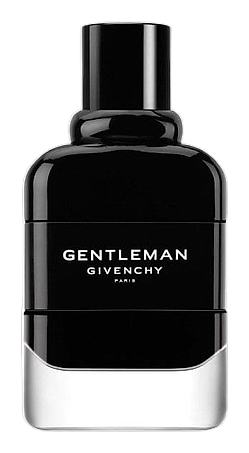
Paul Leger designed Gentleman in 1974 as Givenchy's inaugural entry into the men's fragrance market. The approach favored depth over brightness, layering honey and rose against leather and civet in a way that felt like a story already in progress. The result was a woody chypre with animalic undertones that invited the wearer to linger rather than announce, built to unfold gradually against the skin rather than announce itself loudly in a room. Each note interplayed with the others, the sweetness of the opening tempered by earthier elements that developed as the hours passed, creating a scent that rewards patience rather than demanding attention.
The patchouli used here isn't a background note, it's structural. Combined with the orris root, it creates a powdery depth that modern patchouli iterations often lose. What makes this composition unusual is the honey-civet interplay: the sweetness doesn't stay sweet. It ferments slightly, becomes animalic, and that's the point. These materials have presence that gives the fragrance its distinctive character. The vintage formula was built to last, which is why vintage collectors still seek this out, it was designed to develop over time, not to impress in the first minutes.
The evolution
The honey opens bright and almost edible, then gradually the civet makes its presence known. Sweetness gives way to something earthier, the rose darkening as patchouli and vetiver assert themselves in the base. The leather doesn't dominate early, it builds quietly, settling into the skin like a second layer. As the fragrance develops, what emerges is a powdery musk and a faint amber warmth that can linger on fabric for an extended period. The evolution feels intentional, each phase connecting to the next rather than abrupt shifts, creating a complete aromatic narrative from opening to dry-down.
Cultural impact
The honey-civet combination and the presence of oakmoss mark Gentleman (1974) as distinctly vintage. Enthusiasts seeking a connection to an earlier era of masculine perfumery gravitate toward these characteristics. It's not a safe introduction to masculine fragrance for those accustomed to modern compositions, but for those exploring the 1970s canon, it represents a defining statement of masculine elegance.