Paul Léger
Paul Léger belongs to that rare breed of perfumers who shaped an era without fanfare. A French nose whose work at Firmenich helped define what elegance meant in the 1970s. While his catalog remains deliberately small, his impact on Cacharel's most iconic launch proved he understood women as few could. Anais Anais arrived in 1980 and became an instant landmark, proving that romantic florals could carry intellectual weight. Léger's approach was architectural. He built fragrances with the same precision a couturier applies to a perfectly structured dress. Working primarily within Firmenich's labs during the 1970s and early 1980s, he developed a reputation for compositions that felt simultaneously timeless and distinctly modern. Colleagues described him as someone who resisted trends, preferring instead to craft perfumes that aged gracefully rather than chased the moment. His discretion extended beyond the lab. Léger published sparingly, participated in few industry events, and let his creations speak for themselves. That restraint, paradoxically, made each new work feel like an event.
The hits
Notable creations
The signature
How Paul composes
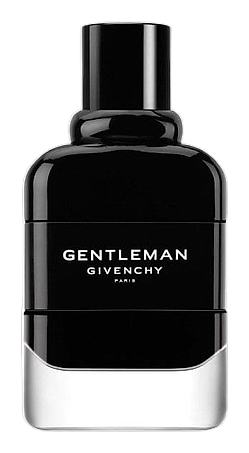
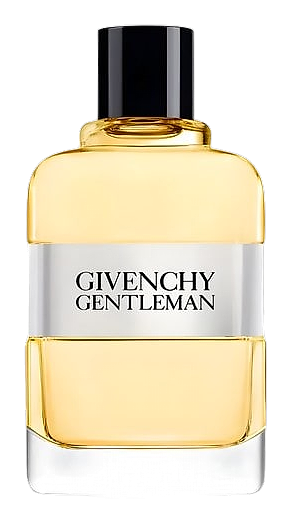
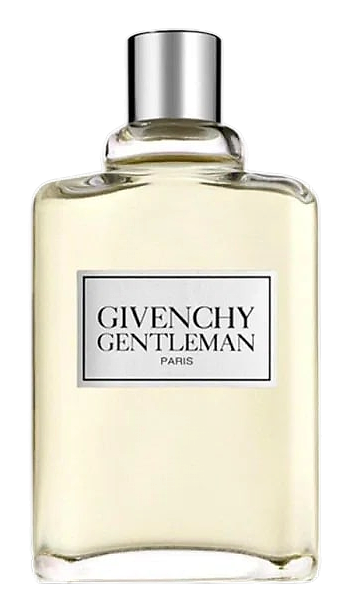
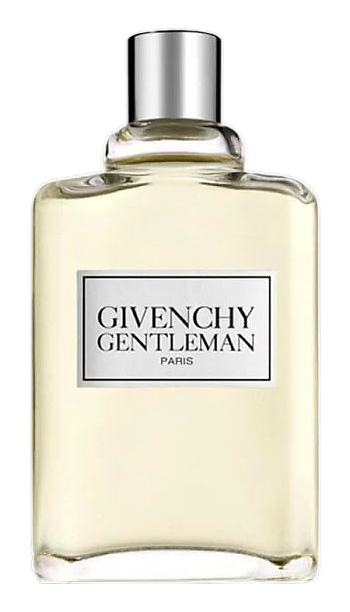
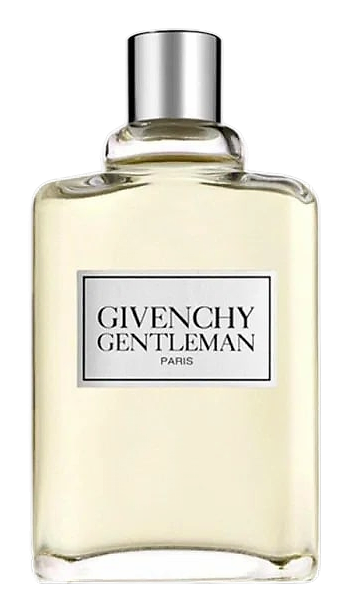
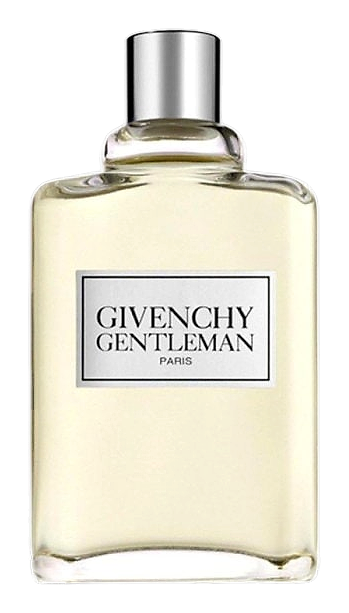
Léger's signature lies in structural clarity. His fragrances separate cleanly into distinct chapters, each transition deliberate and pronounced. Where many perfumers blended for seamlessness, he preferred visible architecture. This approach gave his work an almost academic quality, as if studying the logic of scent progression. Regarding ingredients, he gravitated toward classical materials but deployed them unconventionally. White florals appear frequently in his work, though never redundantly. His bases tended toward warmth without heaviness, patchouli and woods handled with restraint that prevented the earthy from becoming literal. The 1974 masculine composition attributed to him demonstrates this sensibility: patchouli leather executed with such precision it reads sophisticated rather than aggressive. His florals, particularly Anais Anais, show a lighter hand with lilies and jasmine than contemporaries, allowing space for the green undertones to register. The result feels garden-fresh rather than bouquet-heavy.
Philosophy
What drives Paul
Structure over spectacle. Léger believed perfume was architecture for the skin, not decoration. He approached each creation like a builder assessing foundation before facade, ensuring every note served the whole. His creative process prioritized longevity over initial impact, designing fragrances meant to reveal new dimensions as hours passed. He resisted the temptation to chase trends, preferring instead to identify which classical elements could be reimagined for contemporary wearers. For Léger, elegance was never about complexity. It was about intention. Every decision, from top note selection to base composition, needed justification. He reportedly rejected numerous formulations of Anais Anais before settling on the version that would eventually launch, not because the alternatives were flawed, but because they lacked the precise emotional quality he sought. His philosophy distilled to a single question: what should this fragrance make someone feel, and have we achieved that?
The houses