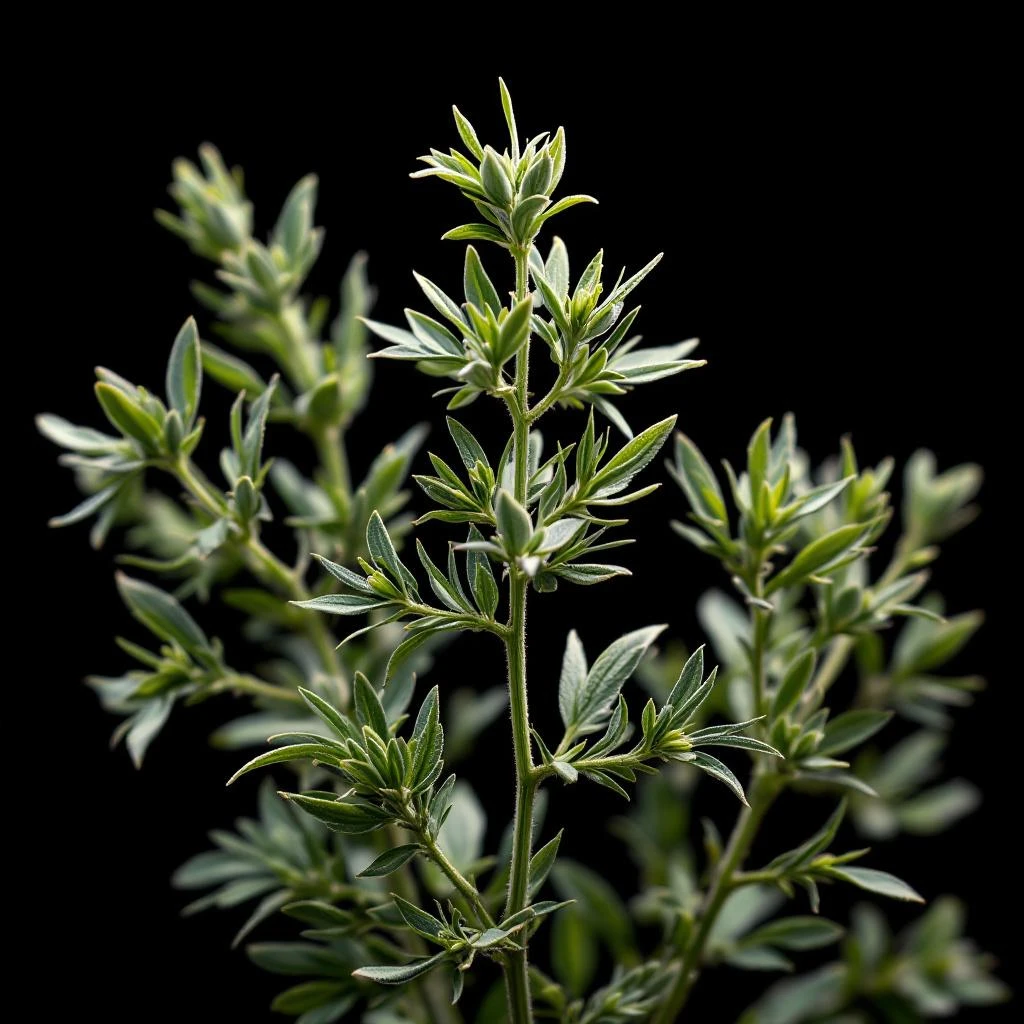
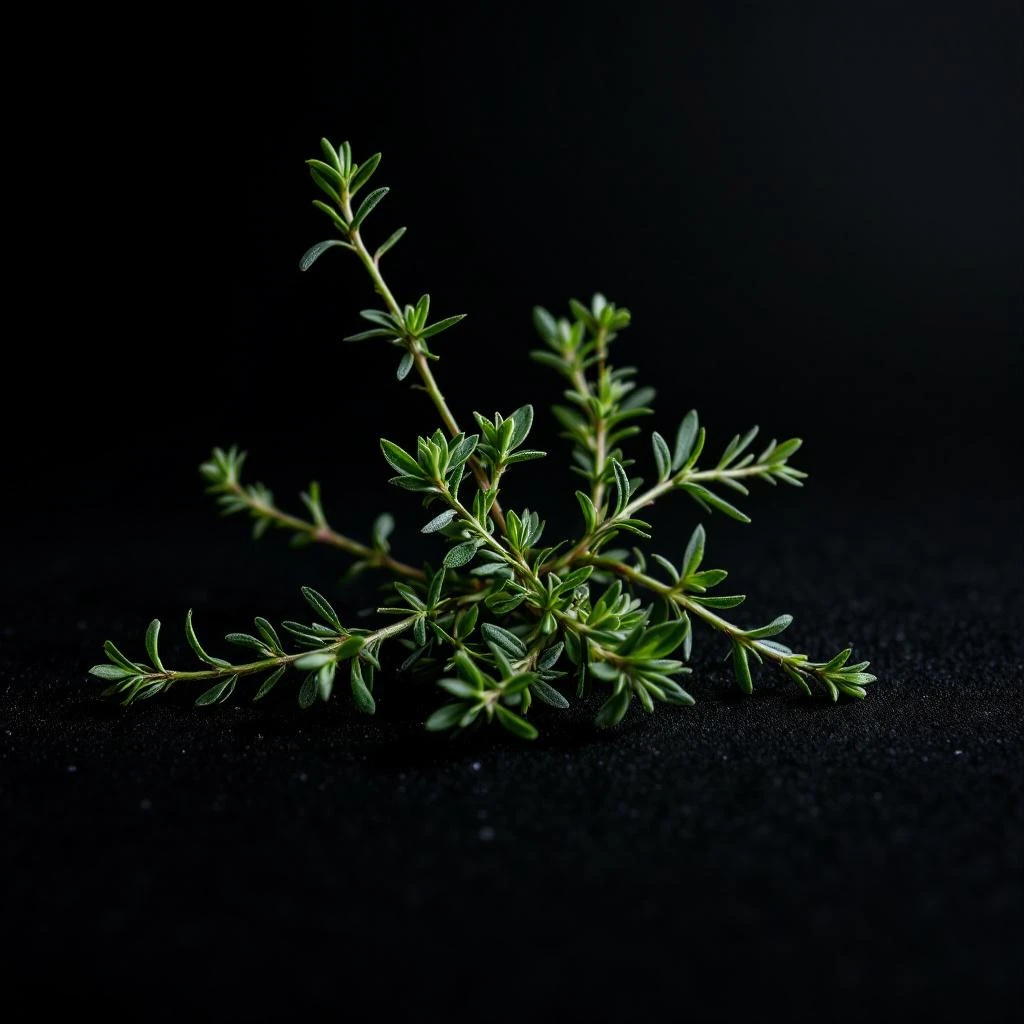
Tarragon
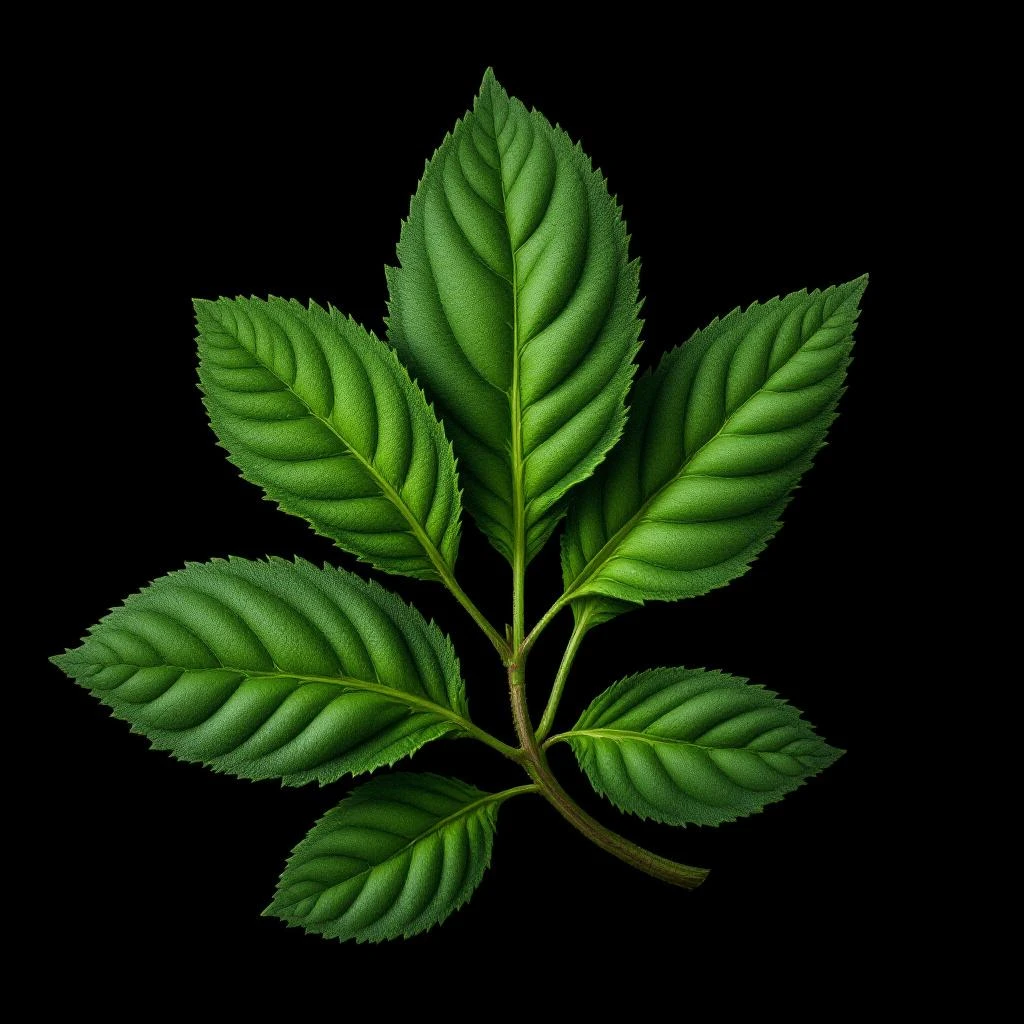
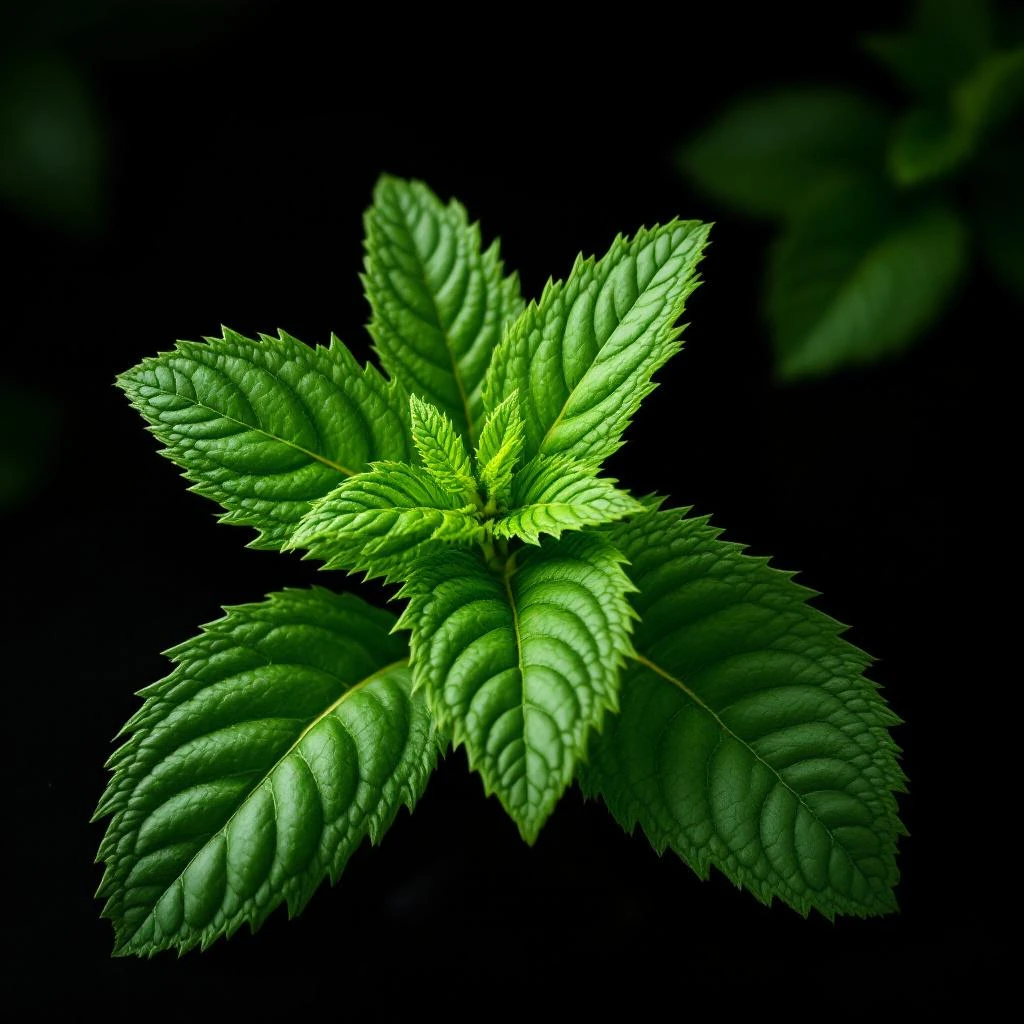
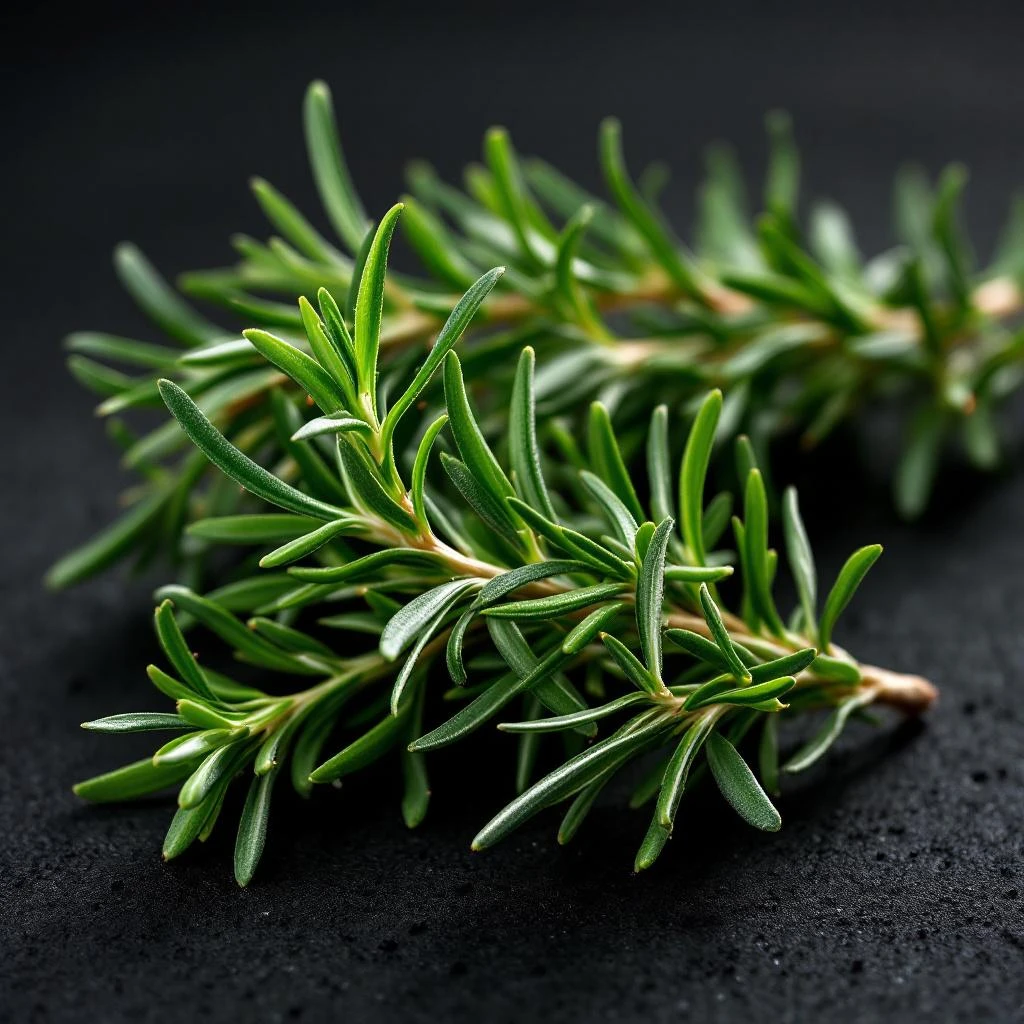
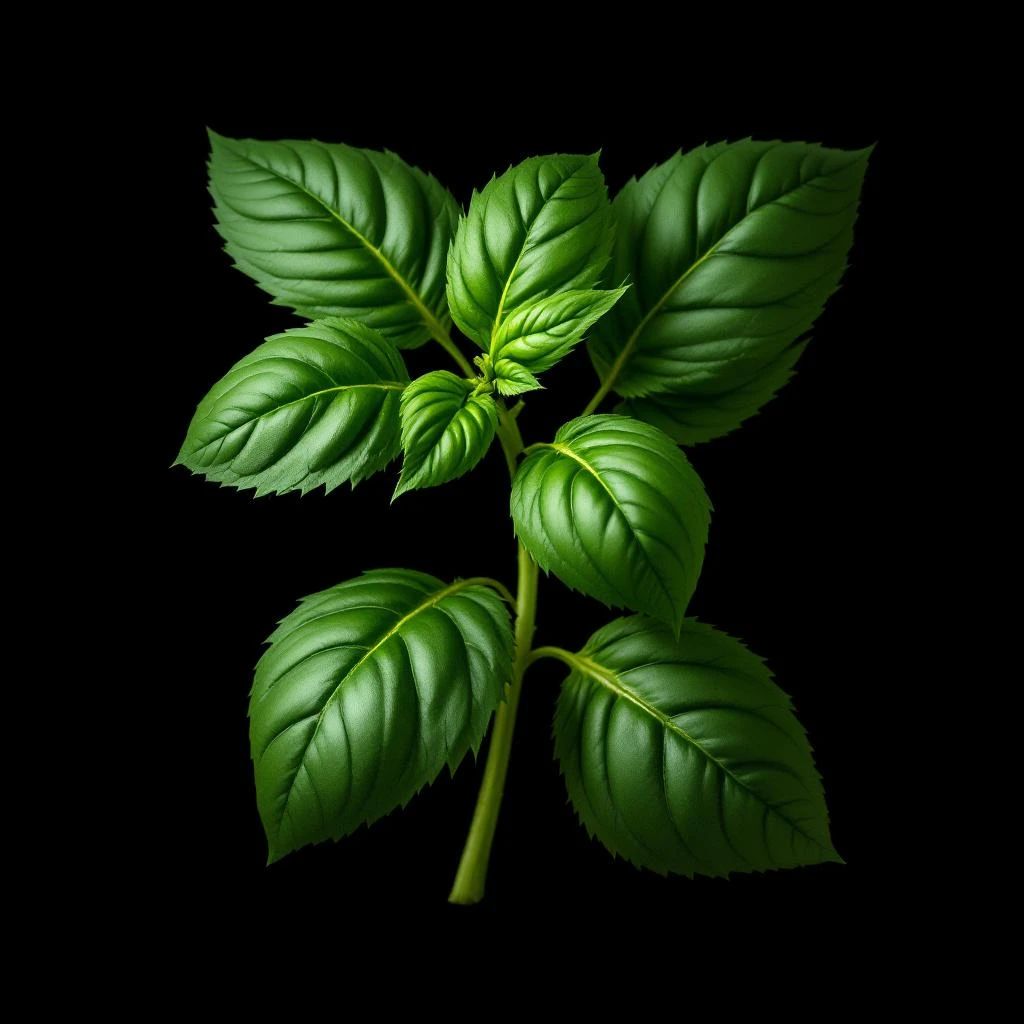
Tarragon brings a distinctive anisic brightness to fragrances, lending green, slightly bitter herbaceousness that elevates fresh and fougère compositions. This culinary favorite finds unexpected resonance in perfumery, where its unique character cuts through heavier notes with aromatic precision.
Character
How it smells
The anisic herb that transforms green compositions.
French tarragon cannot produce seeds and must be propagated exclusively through root cuttings, making it one of the most carefully cultivated herbs in the world.








Origin
France
Tarragon originated across the expanses of Central Asia, the Middle East, and Russia, where it grew wild for centuries before entering cultivation. The name derives from the Arabic "tarkhun," meaning dragon, possibly referencing the plant's serpentine root structure or a medieval belief that it neutralized serpent venom.
French tarragon, introduced in the 12th century through Arabic medical texts, eventually became the gold standard for both culinary and aromatic use. Unlike other varieties, French tarragon is sterile and reproduces only through division, a characteristic that has shaped its production for centuries and contributes to its premium status in fragrance work.
Wears it best
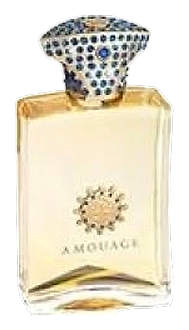
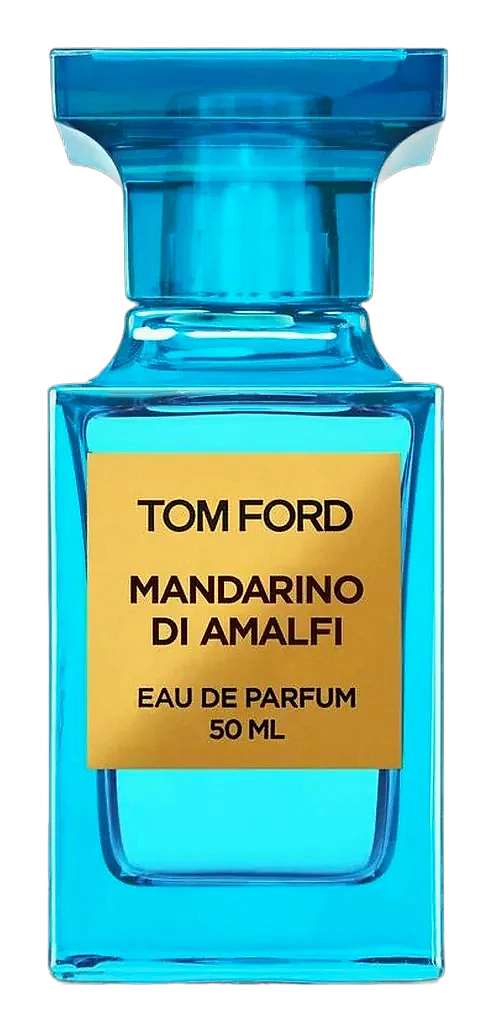
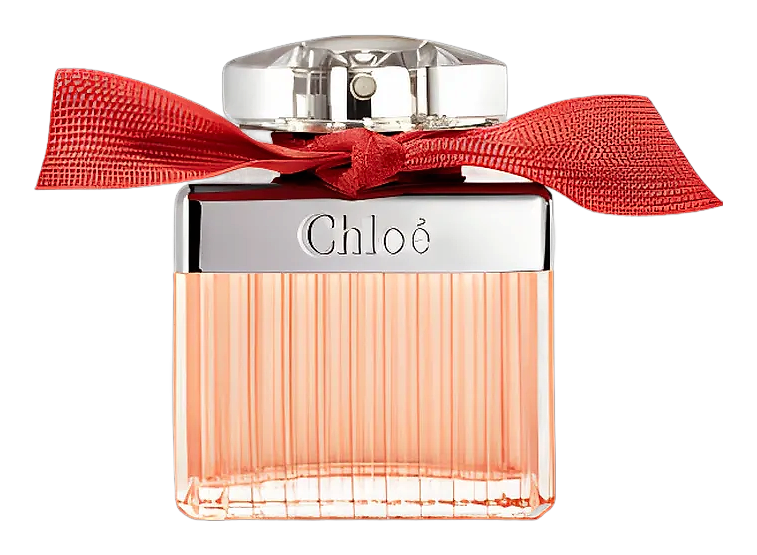
Fragrances featuring Tarragon
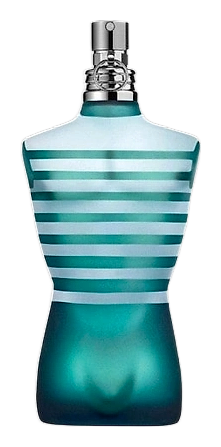
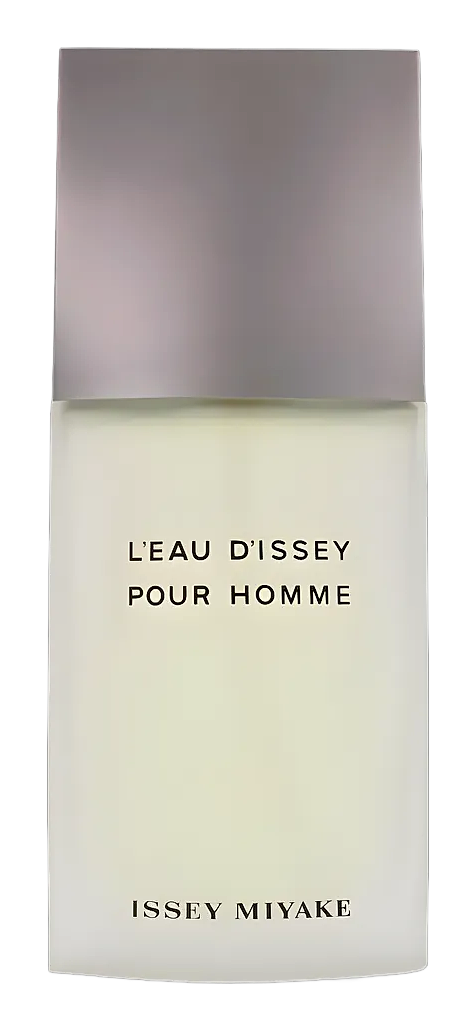

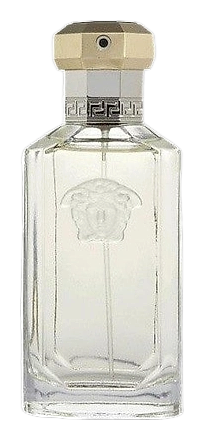
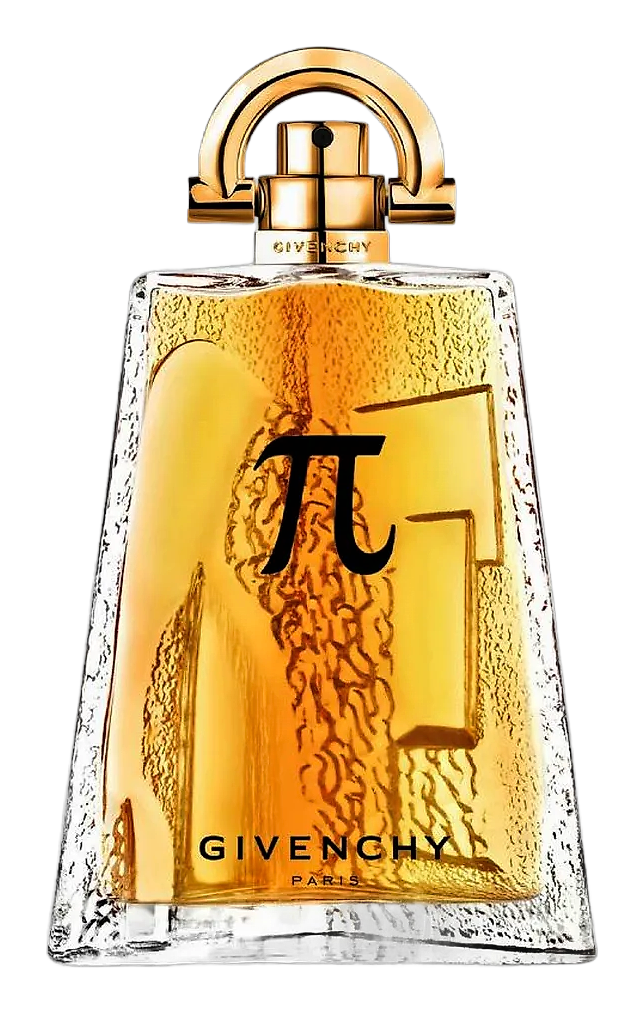



Brands
Brands known for Tarragon
Good to know
Questions, answered
The essentials on Tarragon in perfumery: how it smells, where it comes from, and how it behaves on skin.
What does tarragon smell like in perfumery?
Tarragon delivers a fresh, green aroma with pronounced anisic qualities and subtle bitter undertones. It functions as a natural bridge between herbaceous and sweet notes, adding aromatic lift to compositions without overwhelming other elements.
Is tarragon used as a top, middle, or base note?
Perfumers classify tarragon primarily as a top note. Its volatile compounds evaporate quickly, making it ideal for introducing fragrance compositions with immediate freshness and brightness.
What fragrance families use tarragon?
Tarragon appears frequently in fougère, chypre, and green fragrance families. It also serves as a supporting element in aromatic and herbal compositions, where its herbaceous character complements lavender, basil, and citrus notes.
Why is French tarragon preferred over other varieties?
French tarragon produces far less bitter essential oil than Russian or wild varieties. Its sterile nature means it must be propagated through root division, resulting in consistent chemistry and the sweet-anise character prized in both culinary and fragrance applications.
Can tarragon be synthesized rather than extracted from plants?
Yes. Estragole, the primary aromatic compound in tarragon oil, is commercially synthesized. However, natural tarragon oil retains trace components that create a more complex, rounded aroma than isolated estragole provides.
What extraction method produces tarragon essential oil?
Steam distillation extracts tarragon oil from the leaves and flowering tops. The process requires careful temperature control, as the heat must vaporize the essential oil compounds without degrading the sensitive aromatic molecules.
How much tarragon oil yields from plant material?
Tarragon oil yield is relatively modest, typically between 0.3% and 0.6% by weight. This means approximately 150 to 300 kilograms of fresh plant material produces just one kilogram of essential oil.
Which famous fragrances feature tarragon?
Tarragon has appeared in numerous fragrances since the early 20th century. It features prominently in aromatic fougère compositions and green fragrances, where perfumers value its ability to add lift, freshness, and herbaceous complexity to complex scent structures.