
The Story
Why it exists.
The beginning
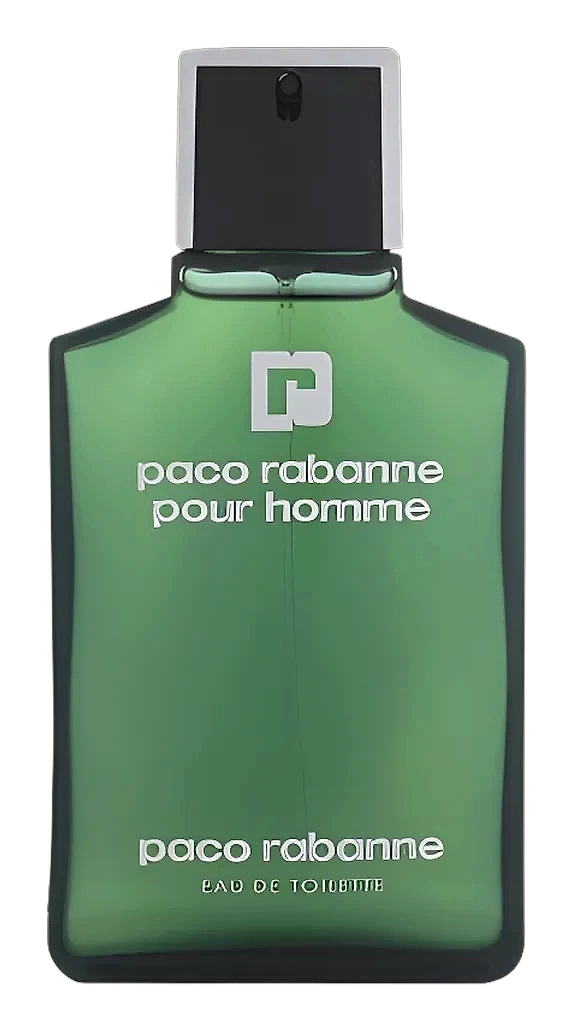
The fragrance arrived with a clear directive: fresh first, structured second. Jean Martel delivered a barbershop fougère that refused to apologize for its edges, aromatic herbs upfront, a lavender-geranium heart, and a honey-tobacco base that held for hours on end. Not a safe fragrance. Not a quiet one. The house brought that same confrontational instinct to perfumery: provocative by design, not by accident.
The note structure reflects a specific philosophy: confrontational opening to capture attention, classic heart to establish identity, and a base that rewards loyalty. Clary sage and rosemary create that initial intensity, lavender and geranium provide the aromatic heart, and oakmoss with honey and amber offer a drydown that holds. Each phase serves a purpose. The pairing of clary sage with rosewood in the opening is deliberate, that warm woodiness preventing the herbs from feeling harsh. The tonka bean in the heart bridges two worlds, connecting the green lavender-geranium phase to the honey-amber base. This is a structure built for wearers who appreciate complexity that unfolds over hours.
The evolution
The opening hits first with clary sage and rosemary, that sharp herbal intensity announcing itself without hesitation. Rosewood adds warmth and spice, preventing the opening from feeling like a simple barbershop splash. As the herbs soften, lavender and geranium step forward, their aromatic oils creating a heart that feels both classic and intentional. Tonka bean threads a quiet sweetness through this green middle ground. The drydown settles into oakmoss, musk, honey, and amber, a base that rewards patience. This is not a fragrance that reveals everything immediately. It earns its wear through time.
Cultural impact
The scent secured the Fragrance Foundation Award for Men's Luxury in 1975, and that recognition placed it firmly in the aromatics canon. A barbershop fougère with character that refused to compromise, aromatic and structured in ways that still define the genre today. Five decades later it persists as a reference point for the genre itself, its uncompromising character undiminished.