
The Story
Why it exists.
The beginning
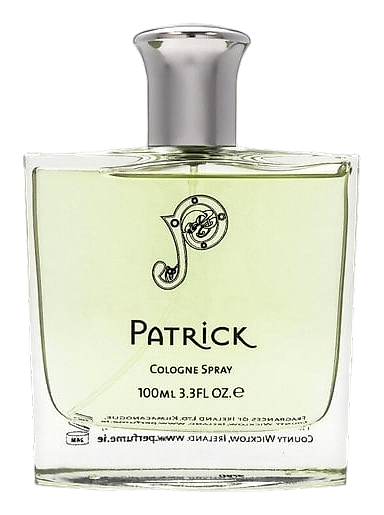
Patrick is named for the saint who arrived in Ireland in the fourth century and walked the length of it, mountain slopes, lush meadows, stone coasts. The fragrance was conceived as a wearable translation of that journey, a way to carry the Irish landscape on skin. Fern and green notes evoke the mountain paths with their aromatic character. Oakmoss and patchouli ground you at the coastline. Rose and carnation bloom unexpectedly in the heart of the composition, bringing warm, waxy florals that add texture and depth. The overall effect captures the feeling of traversing the island's varied terrain, from elevated ridges to coastal shores.
The fougère structure is the engine here, fern at the top providing that aromatic, slightly bitter freshness that defines the accord. Oakmoss in the base gives it that earthy, forest-floor quality that aging fougères are known for. Carnation is the surprise move: warm, waxy, with a hint of clove that keeps the heart from being purely floral. It's a composition that respects its materials. Nothing is decoration. Everything earns its place.
The evolution
Patrick opens green and immediate, fern asserting itself with that slightly spicy, aromatic character unique to fougères. The citrus and green notes lift it, but there's already an earthiness waiting underneath. The heart arrives with rose and carnation. The carnation brings its signature warm spice, a waxy almost-clove quality that keeps the florals from feeling soft. The rose is quiet, more texture than statement. The drydown is where it becomes Patrick: oakmoss pulling vetiver and patchouli into a mossy, earthy base that sits close to the skin. Musk keeps everything warm. The moss lingers on fabric, developing a second life beyond the initial wearing.
Cultural impact
Patrick has been in continuous production since 1999, which says something. It's developed a loyal following among those who want a green, mossy fougère that doesn't perform or trend-hunt. The value-for-money scores are consistently high, wearing well costs less than people expect.