
The Story
Why it exists.
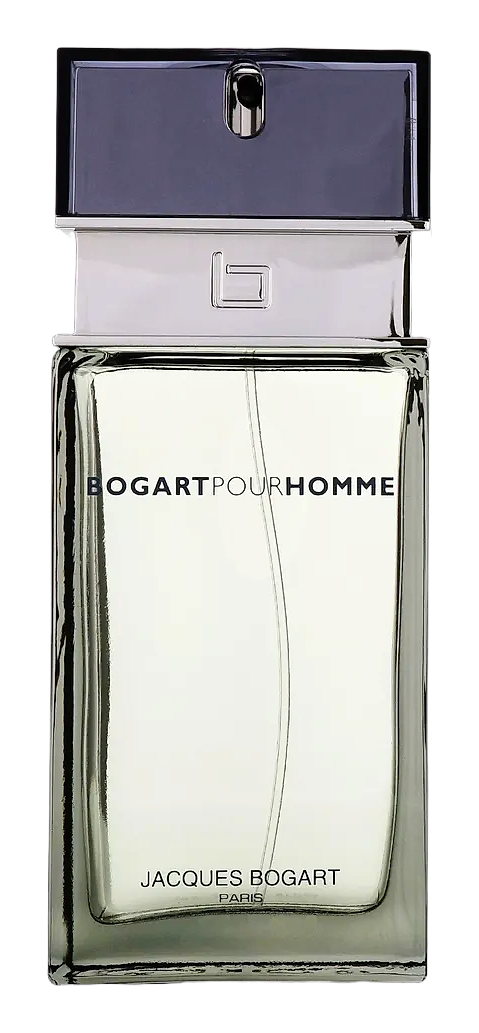
Maurice Roucel and Norbert Bijaoui built Bogart Pour Homme in 2004 with a clear mandate: men deserve a fragrance that holds its own weight. No concessions to trends, no chasing the day's flavor of the moment. The perfumers chose a structure that opens decisively, lavender and bergamot, the vocabulary of presence, then commits to a heart that refuses to play it safe. Orange blossom, rose, and lily of the valley arrive not as afterthoughts but as genuine statements. By the time the tonka bean and patchouli anchor the drydown, the fragrance has made its case: masculine fragrance can be warm without being heavy, sweet without losing its edge.
If this were a song
Community picks
Blue in Green
Miles Davis
The Beginning
Maurice Roucel and Norbert Bijaoui built Bogart Pour Homme in 2004 with a clear mandate: men deserve a fragrance that holds its own weight. No concessions to trends, no chasing the day's flavor of the moment. The perfumers chose a structure that opens decisively, lavender and bergamot, the vocabulary of presence, then commits to a heart that refuses to play it safe. Orange blossom, rose, and lily of the valley arrive not as afterthoughts but as genuine statements. By the time the tonka bean and patchouli anchor the drydown, the fragrance has made its case: masculine fragrance can be warm without being heavy, sweet without losing its edge.
What makes this composition unusual is the tension between its aromatic heritage and its sweetness. Lavender and bergamot are textbook classic masculine, the stuff of fougères and chypres built over decades. But tonka bean's coumarin note, that hay-like sweetness, pulls the fragrance toward something gourmand. Rose in a masculine context in 2004 was still a statement. The combination of orange blossom with tonka bean creates an effect that's been compared to pipe tobacco, warm wood, the inside of a leather bag left in sunlight. It's sweet-fruity, per enthusiasts's classification, but the sweetness has weight. It doesn't float, it settles.
The Evolution
The opening arrives fast: lavender's clean edge, bergamot's citrus brightness, a herbal sharpness that announces itself without apology. Within minutes, the florals take over, orange blossom first, then rose arriving like a guest who wasn't expected but fits perfectly. The sweetness builds without becoming overwhelming, grounded by patchouli's earthy depth. By hour three, the tonka bean has fully arrived, wrapping cedar and oakmoss in a warm, slightly powdery embrace. This is where wearers report the 'pipe tobacco' impression, the dry, aromatic sweetness that lingers close to skin. Eight to ten hours later, musk remains, faint and intimate. The fragrance doesn't disappear so much as recede, becoming a memory of warmth rather than a statement.
Cultural Impact
Bogart Pour Homme occupies an interesting position in masculine perfumery's evolution. Released in 2004, it arrived at a moment when the market was still navigating the post-'90s masculine explosion, the era of fragrances like Acqua di Gio and Polo Sport had established that men would buy fragrance, but the question of what kind of masculine scent would endure was still open. Roucel and Bijaoui's answer was a fragrance that refused to choose between classic structure and modern sweetness. The combination of aromatic opening with gourmand base positioned it differently from the aquatics and fresh fougères dominating the era.

The House
France · Est. 1975
Since 1975, Jacques Bogart has held to a single conviction: men deserve their own fragrance culture. Founded in Paris the same year, the house operates under the banner "I create only for men" and has spent nearly five decades building a masculine universe that speaks directly, without compromise or apology. Jacques Bogart fragrances project presence, durability, and the kind of originality that transcends seasonal trends. The brand remains a pillar of its parent company, Groupe Bogart, an independent French family enterprise that also owns twelve fragrance and cosmetics labels alongside a network of nearly 450 selective perfumeries across Europe and the Middle East.
If this were a song
Community picks
The scent sounds like late-night jazz in a dimly lit room, warm brass, a hint of smoke, something sweet underneath that wasn't announced but arrived anyway. Think Miles Davis at the fill, or a Coltrane standard where the melody keeps promising to resolve and doesn't. The opening is sharp like a cymbal crack; the heart blooms slow like a horn section finding its harmony. By the drydown, it's that last cigarette before walking home, familiar, intimate, already becoming memory.
Blue in Green
Miles Davis