
The Story
Why it exists.
The beginning
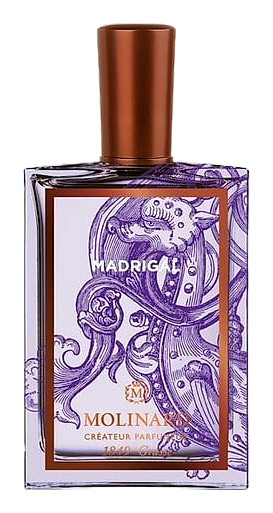
Madrigal arrived in 1930 from Molinard, the Grasse house founded in 1849. The name itself is a clue, a madrigal is a polyphonic vocal composition, multiple voices layered in counterpoint. That structure is exactly what Molinard built. The fragrance moves in phases, each one arriving before the last fully resolves. Clary sage opens with a slightly bitter, almost smoky edge. Lemon adds brightness. Then tarragon, green, faintly anise, deepens the herbal character. The official copy calls Madrigal the scent of an 'irresistible man,' but that undersells the complexity. This is about restraint and counterpoint, the kind of character that reveals itself slowly. Molinard spent decades learning what grew around Grasse, the herbs, the flowers, the resins, before Madrigal became one of their most sustained masculine compositions.
The clary sage is the key. It brings a quality that isn't quite lavender, isn't quite sage, something slightly bitter, faintly smoky, that makes the opening feel herbal rather than fresh. Combined with tarragon's green, faintly anise character, the top feels almost medicinal at first. That's what catches people off guard. This isn't a clean-fresh opening. It's textured, and it takes a moment to understand. But that's also what makes it distinctive. The chypre structure, citrus over aromatic herbs over woody base, is classical precisely because it works. The clary sage and tarragon give it a green-spice character that modern masculine fragrances rarely attempt.
The evolution
Clary sage and tarragon arrive together. The lemon is there too, a brief citrus brightness that doesn't soften anything. For the first thirty minutes, the opening is herbaceous and slightly bitter. Some find it medicinal. That's not wrong, but it misses what comes next. The juniper and lavender begin to surface, cooling the herbs without replacing them. The mandarin orange fades faster than expected, leaving the aromatic heart to do the work. This middle phase is the longest, a cool, green, slightly coniferous stretch that can last several hours. The sillage drops from moderate to intimate during this phase. When the cedar and patchouli finally arrive, they come gradually. The drydown isn't a dramatic shift. It's a slow warming, the woods adding depth to what was already there. The patchouli brings a faint earthiness. The cedar adds resin. The result is a warm, woody base that lingers close to the skin. Madrigal doesn't project in its final hours. It stays intimate, present if you're close, invisible if you're not.
Cultural impact
Madrigal sits outside the mainstream. Released in 1930, it emerged during a period when masculine perfumery was still finding its vocabulary. The herbal-chypre structure was established but not yet codified into the fougère templates that dominated later decades. What Molinard built here is something slightly outside the category, spicier, greener, less predictable. The fragrance never achieved wide recognition. It doesn't appear on most 'best of' lists. But it has retained a small, devoted following precisely because it isn't trying to please everyone. Those who find it tend to keep wearing it.