
The Story
Why it exists.
The beginning
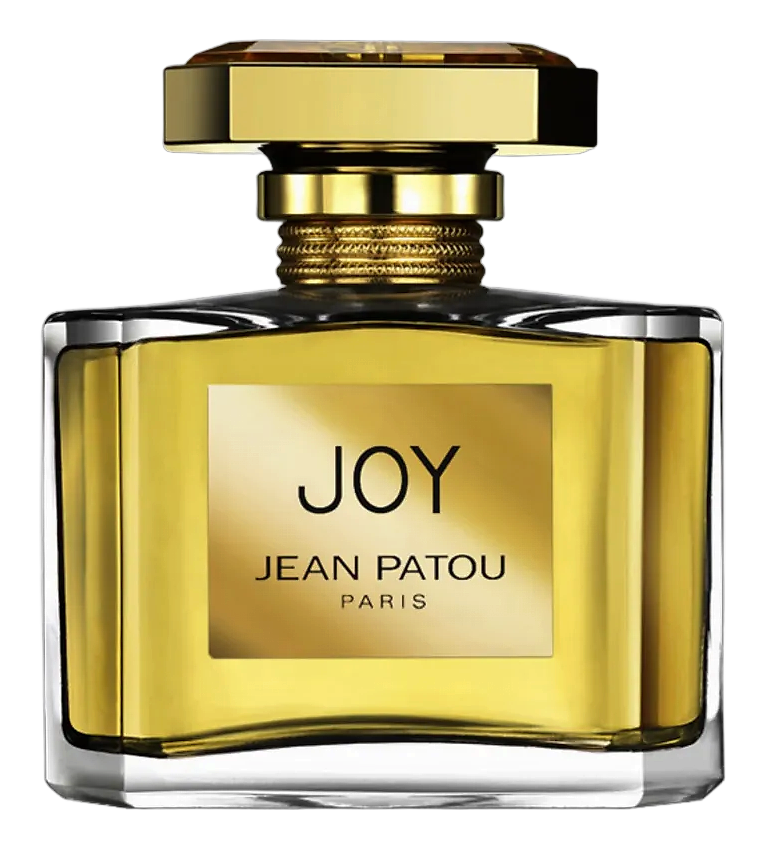
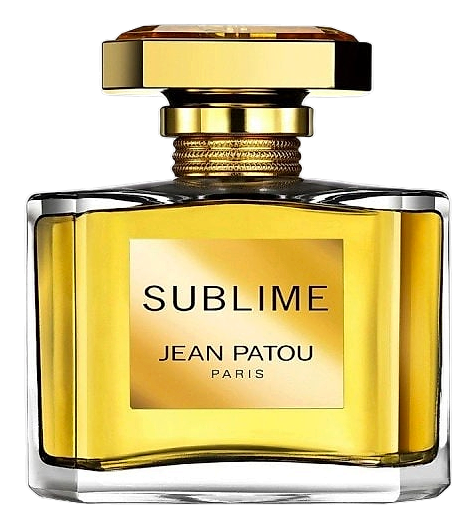
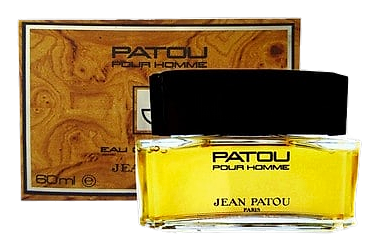
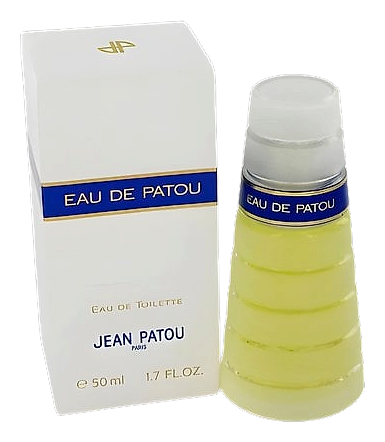
Thomas Fontaine composed Eau de Patou in 2013 as part of the Heritage Collection, a line built to revisit the house's historic character without becoming a museum piece. The brief, if you could call it that, was simple: create a fragrance that resonated with Patou's design legacy. Fontaine understood something essential about the house's approach. These were fragrances meant to be worn rather than merely admired.
The lavender-citrus combination is the oldest trick in French perfumery, which means most versions lean toward the familiar. Fontaine's choice to keep the lavender aromatic and the citrus bitter suggests he wasn't interested in that predictable path. The notes list reads like a classical structure, but the execution leans modern in its restraint. Orange blossom doesn't soften the composition into sweetness. Pepper doesn't heat it into spice. Instead, these materials work in a narrow band of aromatic cleanliness that rewards attention.
The evolution
The opening arrives crisp and immediate. Bergamot and Sicilian lemon hit first, acidic and bright, followed quickly by lime and orange pulling in different directions. The citrus layer doesn't sit still, it's volatile, shifting between sharp and round for the first thirty minutes. Then the lavender announces itself, not as a supporting note but as the structural anchor of the composition. The transition is where this fragrance earns its keep. The bitterness that seemed like a flaw in the citrus phase suddenly makes sense alongside the lavender's camphorated edge. Orange blossom joins quietly, adding sweetness without making a production of it. White pepper lingers at the edges. The drydown, and this is where Patou's house character shows up, settles into a green, slightly bitter close that isn't quite moss, isn't quite soap, but definitely isn't modern.
Cultural impact
Eau de Patou occupies an unusual position, a heritage house fragrance that doesn't perform heritage. Released in 2013 as part of the Heritage Collection, it made a particular choice: classical materials, modern restraint. What distinguishes this fragrance in practice is its refusal of the contemporary, the bitter drydown, the structure that rewards sitting with it rather than projecting across a room. The lavender's presence in what presents as a citrus EDT surprises those expecting something more straightforward. The bitter, aromatic composition appeals to those who appreciate compositions with real character.