Henri Giboulet
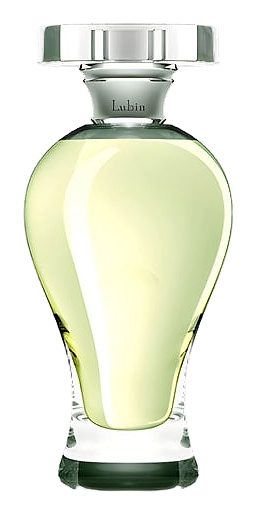
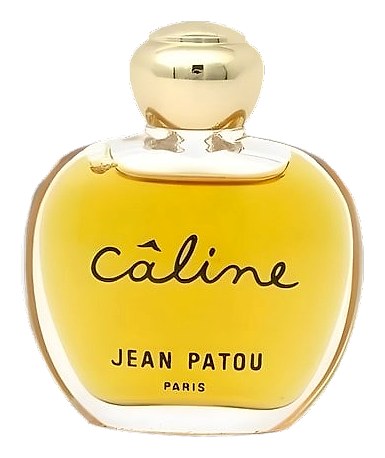
Henri Giboulet (1911-1966) occupies a quietly significant corner in the history of French perfumery. Born in the early years of the twentieth century, he rose to become one of the more intriguing figures at Jean Patou, where he succeeded Alméas as house perfumer. His tenure there was brief but consequential: Giboulet took on the challenge of reimagining Joy, Patou's legendary jasmine and rose extravaganza, and responded with Eau de Joy, a thoughtful modernization that honored the original's opulence while speaking to mid-century sensibilities. Before Patou, or perhaps concurrently, he composed Lubin's Gin Fizz in 1955, a fragrance that captured something effervescent and playful, named for the beloved New Orleans cocktail. Giboulet's career spanned roughly three decades before his death in 1966. Though the precise arc of his training remains unclear, his work reveals a perfumer of refinement and adaptability, comfortable working within the grand tradition of French luxury perfumery while willing to introduce lighter, more contemporary touches when the moment called for them.
The hits
Notable creations
The signature
How Henri composes
Giboulet's work encompasses at least two distinct registers. With Eau de Joy, he demonstrated fluency in the grand floral tradition, working with the dense, Narcisse Noir-inspired palette of classic French perfumery: jasmine, rose, and the rich animalic base notes that give such compositions their staying power. Gin Fizz, meanwhile, suggests a deft hand with citrus, fresh aromatic notes, and the kind of effervescence that recalls its cocktail namesake. The fragrance's enduring association with New Orleans hints at Giboulet's ability to capture place and mood, not merely ingredients. His style, as far as the record shows, was characterized by technical assurance and a willingness to work across registers, from opulent florals to crisper, more playful compositions.
Philosophy
What drives Henri
Giboulet appears to have approached perfume as a dialogue between past and present. His treatment of Joy suggests deep reverence for a masterpiece; his Gin Fizz reveals an unexpected capacity for lightness and humor. The perfume house Lubin, where he worked on Gin Fizz, has historically valued both technical precision and a certain Gallic wit, and Giboulet seems to have delivered both. He strikes one as a perfumer who understood that tradition is not a static thing, that even the greatest fragrances must occasionally be translated for new noses and new times. The limited record of his career makes definitive statements about his philosophy difficult, but the evidence suggests a craftsman who balanced respect with ambition.
The houses
Maisons Henri composes for
In the same league