The Story
Why it exists.
The beginning
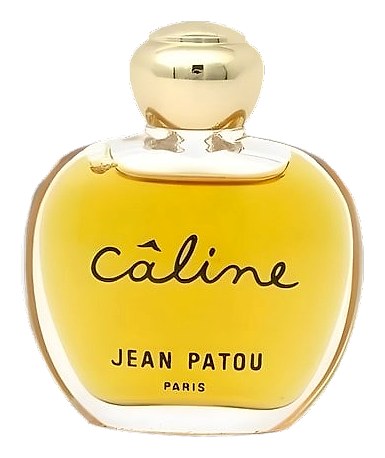
Henri Giboulet composed Câline in 1964 for a specific woman, the one who hadn't inherited confidence, she'd earned it. The name means 'endearing' in French, and that tenderness sits at the center of the brief. Jean Patou's house had long dressed women for movement, for ease, for the actual business of living, not just occasions. Câline translated that philosophy into scent: aldehydic brightness that felt modern, floral warmth that felt immediate, woody depth that felt grounded. Not another grand floral. Something quicker, more alive.
The aldehydes in Câline don't just add sparkle, they structure the whole composition, giving the florals a luminous quality that keeps them from feeling soft or tentative. Combined with the green notes from basil and the bitter-floral edge of African orange flower, this isn't a sweet interpretation of youth. It's an aldehydic one. The chypre architecture, oakmoss, labdanum, cedar, keeps everything grounded so the florals can glow without disappearing. That balance is what makes the pyramid worth studying.
The evolution
It opens bright and immediate, aldehydes rising, bergamot cutting through, a quick flash of mimosa. The citrus fades fast, thirty minutes in, and the florals take over: jasmine first, then the warmer ylang-ylang and that dry patchouli earthiness underneath. Ginger and carnation add spice without heat. The transition is the whole point, from sparkling to warm, from bright to deep. By hour three, the drydown settles: oakmoss and cedar, sandalwood, a whisper of amber. The aldehydes never fully disappear. They thread through to the end, keeping the vintage chypre structure intact. On fabric, it lingers past evening.
Cultural impact
Advertised as the essence of youth upon its 1964 launch, Câline stood apart from the grand, opulent florals Jean Patou was known for. Its aldehydic character and moderate sillage made it approachable, a chic entry point into the house's fragrance world. The scent represented a deliberate diversification in Jean Patou's portfolio, targeting a younger demographic while maintaining the house's commitment to quality craftsmanship.