The Story
Why it exists.
The beginning
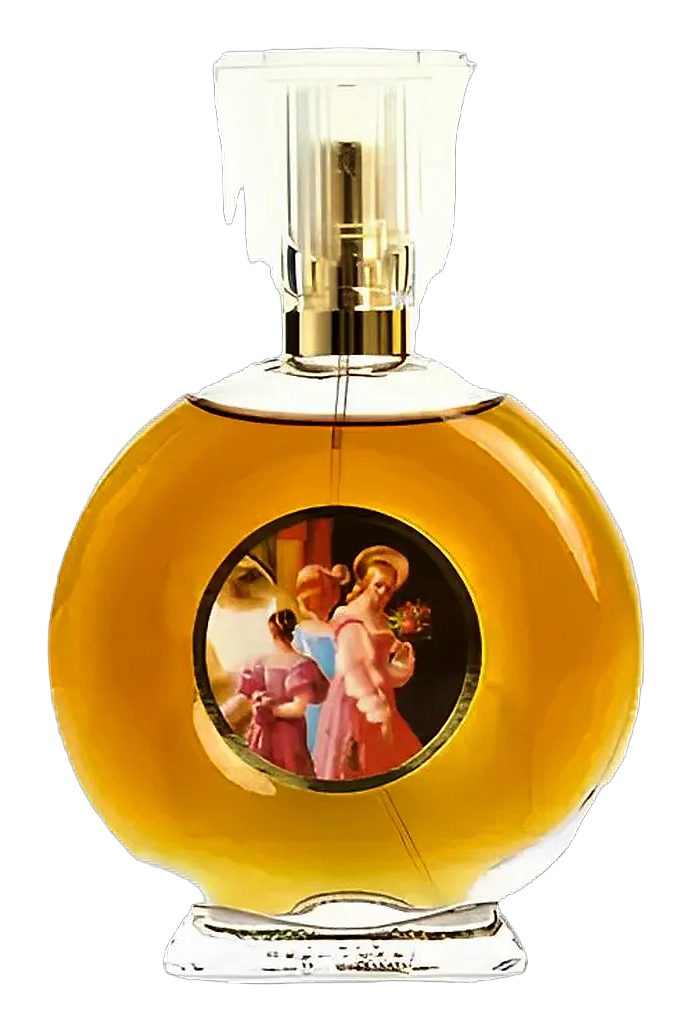
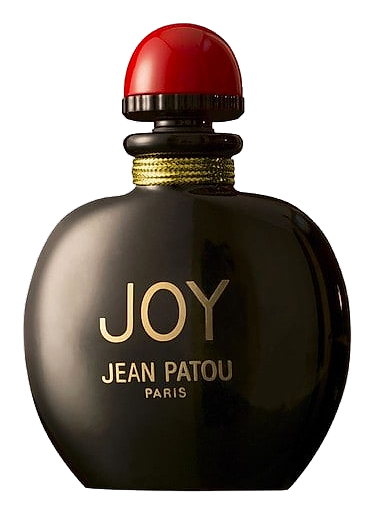
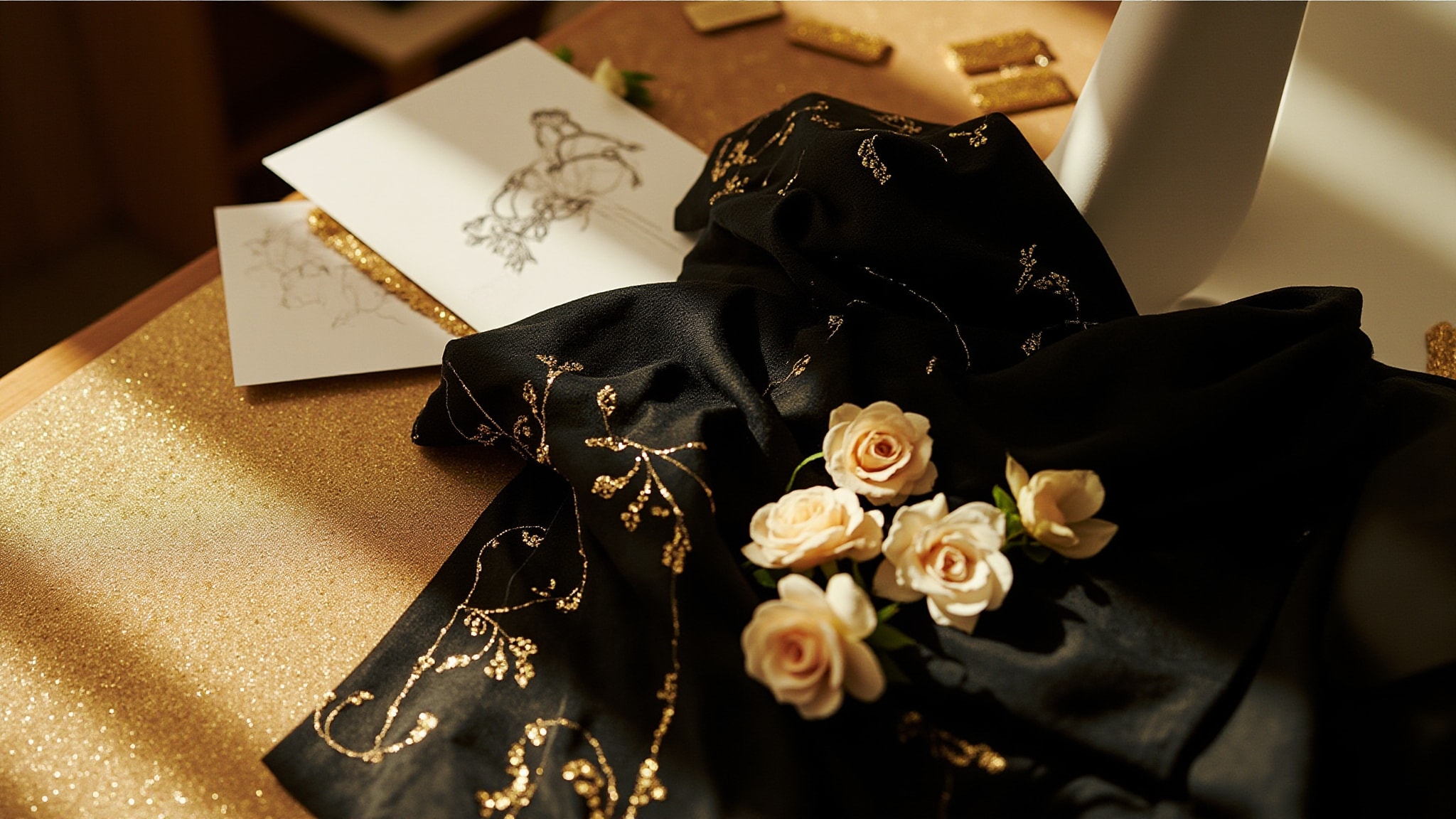
In 2015, Jean Patou turned one hundred. To mark the centenary, the house reached for its most legendary creation, Joy, and gave it a collector's bottle inspired by the celebrated Nuit de Chine dress. The original, a black silk column embroidered with gold and silver threads, caused a sensation when Patou showed it in 1935. The fragrance tribute honored that same spirit: opulence worn as a personal declaration. This wasn't a reblend or a flank. It was a celebration, bottled.
Joy has always been about excess, specifically, the deliberate, glorious waste of ten thousand jasmine flowers and twenty-eight dozen roses per ounce. The Collector's Edition carries that same DNA: Bulgarian rose and tuberose at full concentration, with ylang-ylang threading through the white floral heart like warm cream. What makes this composition unusual is the restraint beneath the richness. The jasmine and rose don't compete, they amplify each other, building a bloom that feels almost impossibly complete. Sandalwood and musk in the base keep it from tipping into caricature. It's abundance with architecture.
The evolution
The opening arrives like walking into a flower market in July, vivid, overwhelming in the best way, roses and tuberose hitting simultaneously. There's a green undertone from the ylang-ylang that keeps it from feeling syrupy, a freshness beneath the density. Within the first hour, the tuberose settles and the Bulgarian rose takes center stage, joined by jasmine in the heart. The transition feels seamless, no harsh edges, no phase that seems borrowed from a different fragrance. By hour three, the base begins its slow reveal: sandalwood warmth and soft musk that stays close to the skin. The drydown isn't quieter so much as intimate, the same opulence, but now it's for you, not everyone in the hallway.
Cultural impact
Joy Collector's Edition arrived in 2015 as a centenary celebration, cementing Joy's status as the house's eternal signature. The original Joy spent decades as the world's most expensive fragrance, not by marketing or heritage alone, but by the literal cost of its raw materials. This edition didn't need to prove anything new. It needed to honor what already existed.