Daniel Molière
Daniel Molière spent three decades working behind the scenes at Mane, one of the world's largest fragrance houses, where he quietly built a portfolio of elegantly structured perfumes that have outlasted trends. His career bridges the gap between classic French fashion fragrance and the more restrained aesthetic that emerged in the 2000s. Molière trained within the structured environment of a major supplier, learning the discipline of creating scents at scale without sacrificing nuance. His work for Diptyque represents a different register entirely: the brand's artistic sensibility gave him space to explore drier, more architectural compositions. Tam Dao became his signature achievement, a fragrance that manages to feel simultaneously intimate and expansive. Rather than chasing the spotlight, Molière built his reputation on reliability and restraint, producing perfumes that smell expensive without announcing themselves. His early work on Guy Laroche Clandestine demonstrated an affinity for green, slightly bitter accords that would remain a touchstone throughout his career.
The hits
Notable creations
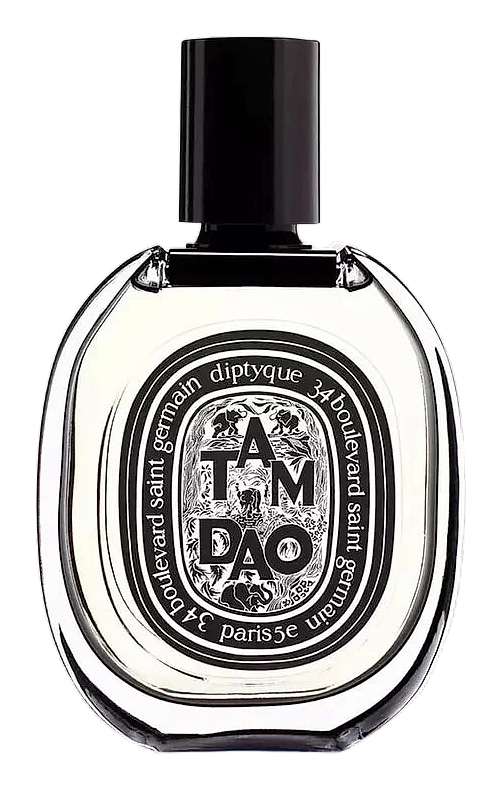


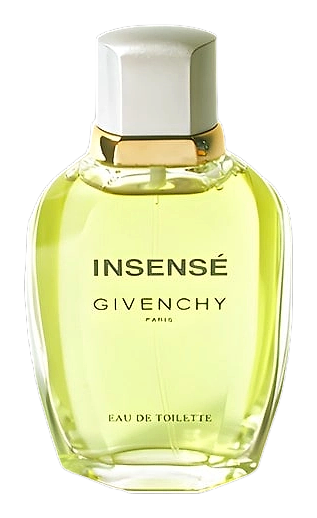


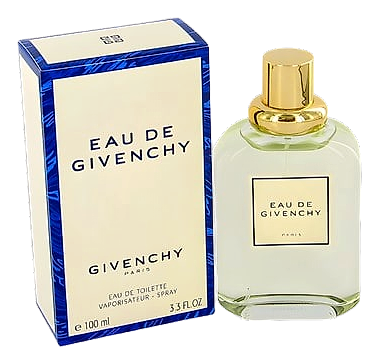

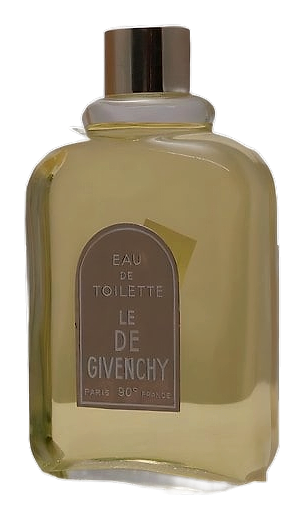


The signature
How Daniel composes
Molière gravitates toward woody materials and their ability to anchor a composition. His signature involves layering warm woods against cooler, slightly dry notes, creating fragrances with an internal tension that keeps them interesting. He uses cypress with particular skill, a note that appears in both Tam Dao and Diptyque's earlier Jardin Clos. His work tends toward the transparent rather than the dense, with good air circulation even in heavier formulations. Sandalwood appears repeatedly across his portfolio, though he treats it differently depending on the brief. Green notes, bitter botanicals, and subtle spice round out his vocabulary. His formulations avoid excessive sweetness, preferring drydowns with a slightly austere quality that reads as modern without sacrificing warmth.
Philosophy
What drives Daniel
Molière approaches fragrance as a form of architecture, prioritizing structure over decoration. He believes a perfume should hold together as a coherent whole rather than functioning as a showcase for individual ingredients. This structural thinking shows in his work: Tam Dao feels constructed rather than composed, with sandalwood and cypress locked into a relationship that doesn't drift. He seems drawn to fragrances that age well, scents that develop rather than simply fade. Rather than responding to market trends, Molière appears to work from a personal set of preferences, which explains why his Diptyque work feels more personal than his commercial output. His philosophy seems rooted in craft rather than commerce, in creating something that will still smell relevant decades after it launches.
The houses