The Story
Why it exists.
The beginning
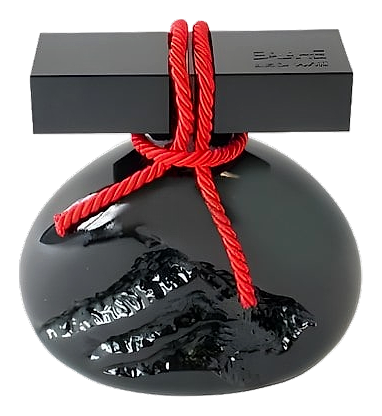
Balahe arrived in 1983 from Daniel Molière at Léonard Paris. The aldehydic-floral structure was unconventional, with Molière choosing a different register entirely. Balahe pushed further, layering the aldehydes not as a brief top spark but as a structural element woven through the heart. The result was a fragrance that felt simultaneously historic and uncompromising. Léonard had made elegant scents. Balahe was something with a point of view.
The aldehydic-floral-oriental combination is architecturally unusual. Aldehydes typically appear in the opening and vanish within the first twenty minutes, here they persist, stretching into the heart and altering how the florals read. Tuberose and orange blossom don't arrive cleanly; they're filtered through a faint metallic sheen that makes the white florals feel luminous rather than creamy. The iris in the heart adds a powdery mineral quality that bridges the aldehydic top and the warm opoponax base. Opoponax itself is relatively rare in modern perfumery, a soft resin with a sweet, slightly animalic character that reads as warm skin rather than synthetic musk.
The evolution
The opening is immediate and unapologetic. Aldehydes hit cold, almost medicinal in their brightness, not unpleasant, just unmistakable. Bergamot and plum arrive within seconds, sweetening the aldehydic edge before warm spice takes over. The transition is abrupt. One moment you're in aldehyde territory; the next, the florals dominate. Tuberose leads, lush, creamy, slightly green at the edges, followed quickly by jasmine and ylang-ylang. The aldehydes don't disappear. They linger beneath the florals, adding a faint waxy quality that keeps the heart from becoming overly sweet. The iris appears, bringing a powdery dryness that begins to cool the composition. Soon after, the florals have softened into a warm blur. Opoponax and vanilla take over, with sandalwood providing a creamy woodiness underneath.
Cultural impact
Balahe has aged into something rare: a discontinued French oriental that collectors actively seek out. Its aldehydic structure gives it a distinctive character, while the powdery floral heart and warm resinous base give it a complexity that rewards attention. Wearers consistently describe it as niche-like in quality, suggesting it was always operating above its price point.