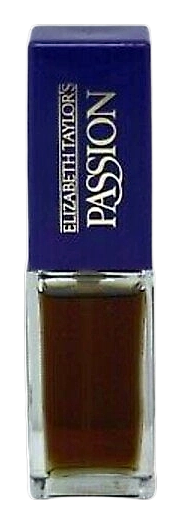

The Story
Why it exists.
The beginning
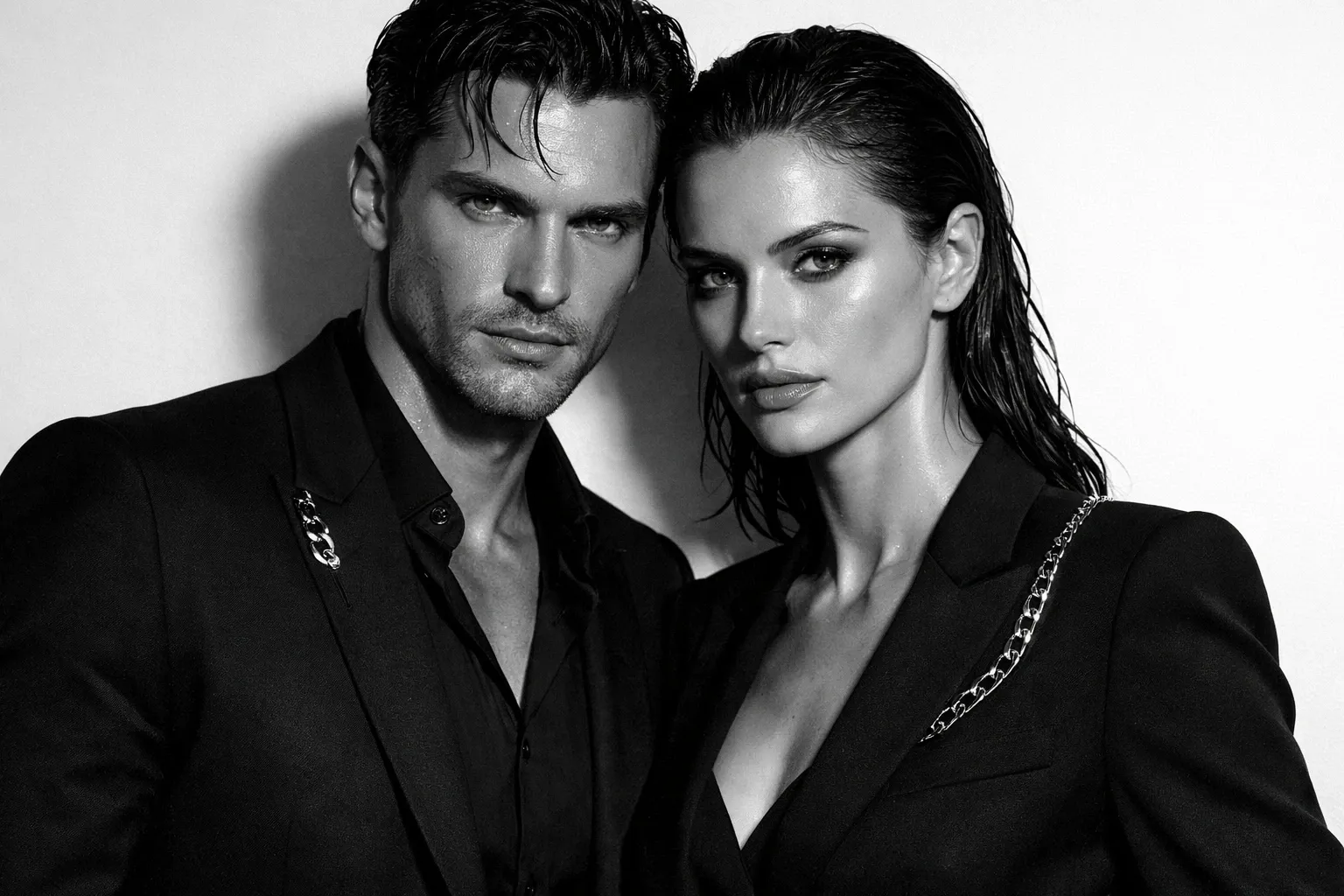
Passion arrived in 2024 as a deliberate counterpoint to the men's Dominance fragrance, the two designed to speak to each other, to chemistry between two people. The name says enough. But the composition earns it. Perfumer Özge Erdoğmuş Altınel built this around warmth and sensuality, choosing not to hedge. A sweet fragrance with conviction. That's rarer than it sounds.
The structure is what makes it interesting. Sweetness that opens bright, then a powdery heart that tempers, not kills, the sugar. The spices keep it from becoming dessert. By the drydown, the vanilla and sugar have merged into something intimate and close. It's a progression that rewards patience. Not all sweet fragrances bother with this kind of arc.
The evolution
The opening hits immediately, jasmine brings a bright, green-floral intensity that commands attention. Then the heart takes over. Powdery lily of the valley softens the boldness without diluting it, and the ylang-ylang adds warmth without heat. By the drydown, vanilla has settled into the skin. Close. Warm. The kind of thing that lingers past midnight.
Cultural impact
Passion arrived in 1986 as Elizabeth Taylor's first women's fragrance, leveraging the actress's iconic status to create an accessible luxury product. The warm, sensual floral profile tapped directly into late 80s cultural aesthetics, appealing to women who wanted sophisticated glamour without exclusivity. Developed in collaboration with Revlon, the fragrance extended Taylor's legendary persona into a wearable form. Its bold floral character and romantic warmth positioned it as a statement piece during an era defined by bold beauty choices. The scent became a cultural touchstone for its target demographic, representing the era's appetite for glamorous accessibility.