The Story
Why it exists.
The beginning
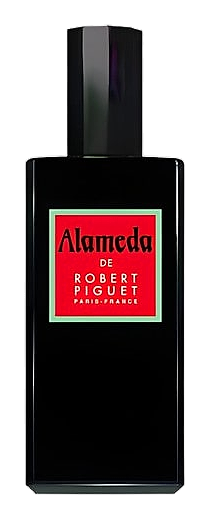
Alameda takes its name from the park that surrounds the Alhambra in Granada, a garden laid out by Moorish hands, planted with wild roses and orange blossom, cooled by fountains that have been running for centuries. Robert Piguet released it in 2013 as part of the Pacific Collection, working with perfumer Aurélien Guichard to translate that specific place into scent. Not a postcard interpretation. Something with more weight.
The orris root is the hinge here. Waxy, violet-dusted, faintlyrootlike, it reframes the lily and rose into something powder-dry rather than sweet. Then the castoreum arrives late, carrying leather and warmth and a quiet animalic depth that most modern florals won't touch. It's an unusual combination for a fashion house fragrance, and it shows that Alameda wasn't designed to please everyone. It was designed to be remembered.
The evolution
Bergamot opens bright and clean. The lily follows without apology, heady, floral, a little green at the edges. For the first thirty minutes, this is a composed, almost restrained floral. Then the orris takes over. The rose dries. The composition shifts from garden to something more interior, powdery, waxy, close to skin. The amber and patchouli arrive slowly, warming the whole thing over the next two to four hours. But it's the castoreum that arrives last, fashionably late, adding a leather-warm animalic note that the powder can't quite smooth away. The drydown lingers 8-10 hours, warm, close, with the amber and castoreum refusing to fully leave.
Cultural impact
Alameda has become a collector's obsession since its 2013 debut, partly because it was discontinued, which, for niche fragrance lovers, is the fastest route to cult status. The castoreum drydown remains the defining conversation: wearers either find it compelling or jarring, with very little middle ground. That divide is part of the appeal. Robert Piguet's house style has always been confident to the point of provocation, and Alameda is a faithful continuation of that tradition.