
The Story
Why it exists.
The beginning
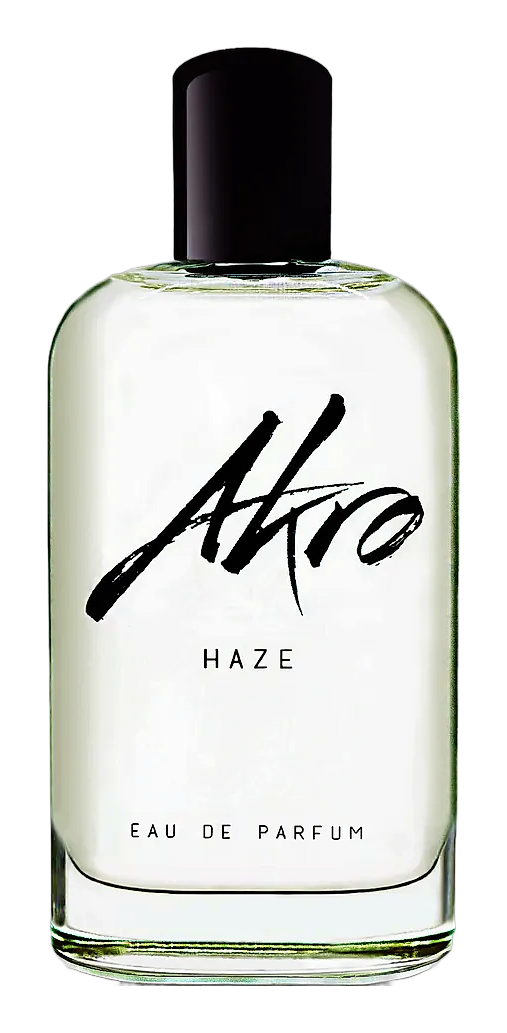
Akro was founded on the premise that fragrance should reflect the things we crave, the habits we cannot quit, the vices that define us. Haze translates a specific kind of intoxication into olfactory form, not the warm haze of alcohol or the drowsy haze of cannabis, but the green, slightly hallucinatory atmosphere of a London summer when the air itself feels drugging. The brief was simple: create something that smells like being slightly out of your mind in the best possible way. Perfumer Olivier Cresp approached this by stripping away everything soft, everything sweet, everything that might invite comfort. What remained was a sequence of green notes that function less as perfume and more as olfactory speed, designed to sharpen rather than soften.
The note selection for Haze reflects a specific philosophy about what green can be when stripped of its conventional associations. Clary sage provides the herbaceous foundation, mint delivers the mentholated intensity, and eucalyptus anchors the drydown with its camphorated clarity. Each note was chosen not for its individual beauty but for its role in a larger structural argument about clarity, coldness, and the beauty of things that resist comfort. The pairing rationale is simple: these three notes, in this specific sequence, produce a sensation that no single note could achieve alone.
The evolution
The opening of clary sage establishes a clear, herbaceous greenness that feels like cutting through fog with a blade. Sage is not sweet herb; it carries a bitter, almost medicinal quality that immediately separates Haze from conventional green fragrances. There is no transition phase, no gentle easing into the heart, because mint arrives within minutes, bringing its mentholated sharpness and creating an immediate sensation of cold. The combination of clary sage and mint produces a botanical intensity that feels almost clinical, as if you have walked into a pharmacy that also happens to be a garden. As the heart phase progresses, eucalyptus enters not as a supporting note but as a dominant force, its camphorated, slightly antiseptic character taking over while mint and sage recede to a background hum. The evolution is linear and purposeful, each phase asserting its presence before yielding to the next, creating a fragrance that unfolds like a sequence of commands rather than a conversation.
Cultural impact
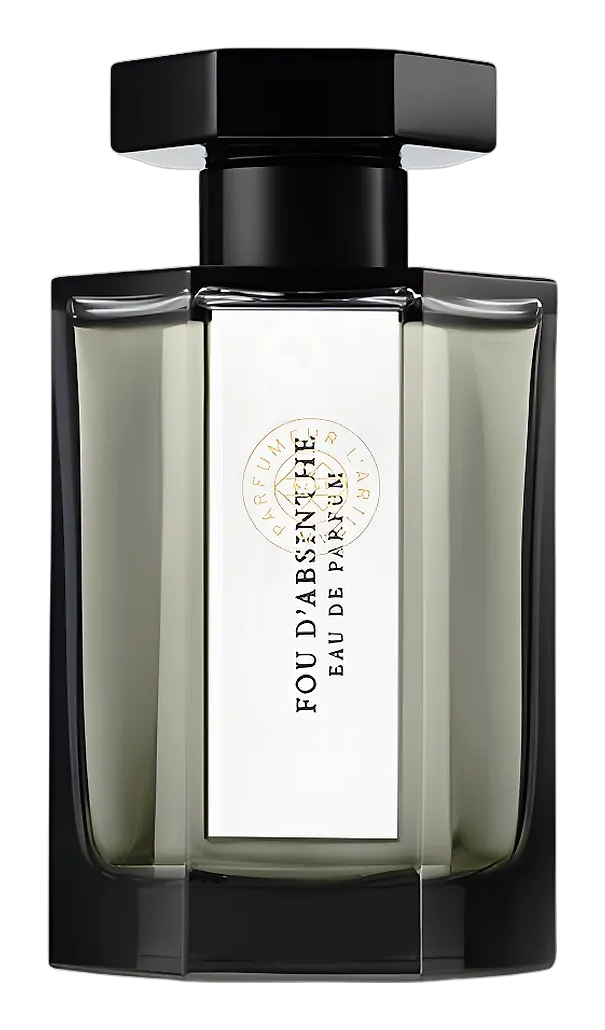
Haze occupies a specific corner of the green fragrance category, not the clean citrus path, not the aquatic route, but something more confrontational. It's herbal, camphoraceous, and unapologetically green. The fragrance draws comparisons to absinthe-forward compositions like L'Artisan Parfumeur's Fou d'Absinthe, though Haze's patchouli and leather drydown keeps it from being a direct competitor. What sets it apart is the brand's willingness to be explicit about its inspiration, 'the real scent of London', rather than hiding behind euphemism.