The Story
Why it exists.
The beginning
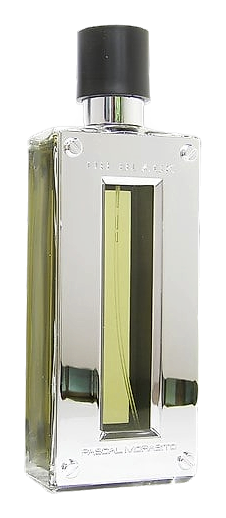
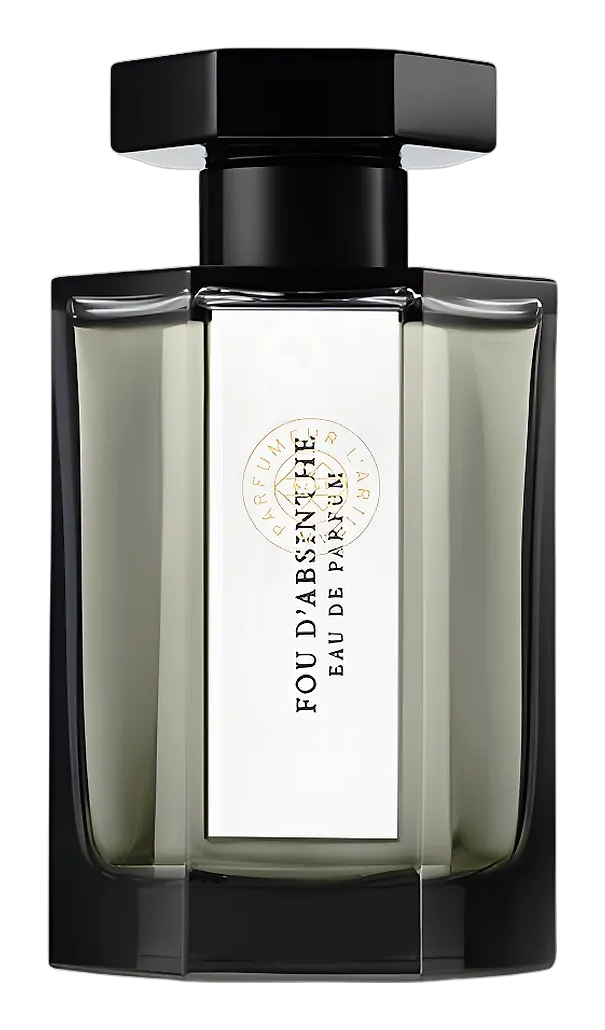
Olivia Giacobetti built her reputation on fragrances that treat botanical ingredients as protagonists rather than accents. With Fou d'Absinthe, she turned her attention to a plant that had spent decades as legend before it became legal again in 2000. Giacobetti wasn't interested in the drink's mythology, the green fairy, the forbidden edge, she wanted to capture wormwood's actual scent: wild, intensely herbal, with a sweetness most people never encounter. The name says it: Fou d'Absinthe means mad for absinthe. Not the glass. The plant itself. Giacobetti has described working with natural wormwood as a kind of conversation, where the material insists on being heard on its own terms.
The composition refuses the obvious move. Rather than building absinthe as a bitter, medicinal single note, Giacobetti opens with its green intensity and then layers in contrasting warmth. Angelica, a root with its own herbal depth, meets blackcurrant buds, tiny, intensely aromatic, with a tartness that lifts the whole top. The heart adds star anise, nutmeg, and clove: a spice trio that leans edible without becoming sweet. Patchouli appears here too, grounding the warmth in something earthy. What makes the structure interesting is the way the green never fully disappears. Even as the spices develop and the base settles into pine, fir, and a whisper of incense, that initial herbal intensity carries through.
The evolution
The opening announces itself immediately: absinthe's green intensity cuts through with the sharp clarity of just-crushed herbs. Angelica and blackcurrant buds arrive seconds later, bringing an earthy-tart depth that prevents the wormwood from reading as purely medicinal. The heart is where things shift. Star anise emerges first, lending its distinct aniseed sweetness alongside the wormwood's own character. Nutmeg and clove add weight. Ginger brings clean heat. Patchouli anchors everything with earth. As the top notes fade, the spices begin to assert themselves more fully, creating a warm, almost edible quality that feels substantial rather than fleeting. The aniseed notes persist, weaving through the composition and keeping the wormwood's green character present even as the fragrance deepens. The drydown strips things back.
Cultural impact
Fou d'Absinthe stands among fragrances that feature fir, patchouli, and herbal openings, holding a specific place for the density of its natural materials and the way the wormwood character persists from opening to drydown. The fragrance's treatment of wormwood as a serious material rather than a novelty ingredient set it apart from the beginning. Its lasting quality lies in how it handles the plant's complexity, the green intensity, the herbal bitterness, the unexpected sweetness, without reducing it to a single note or a marketing angle.