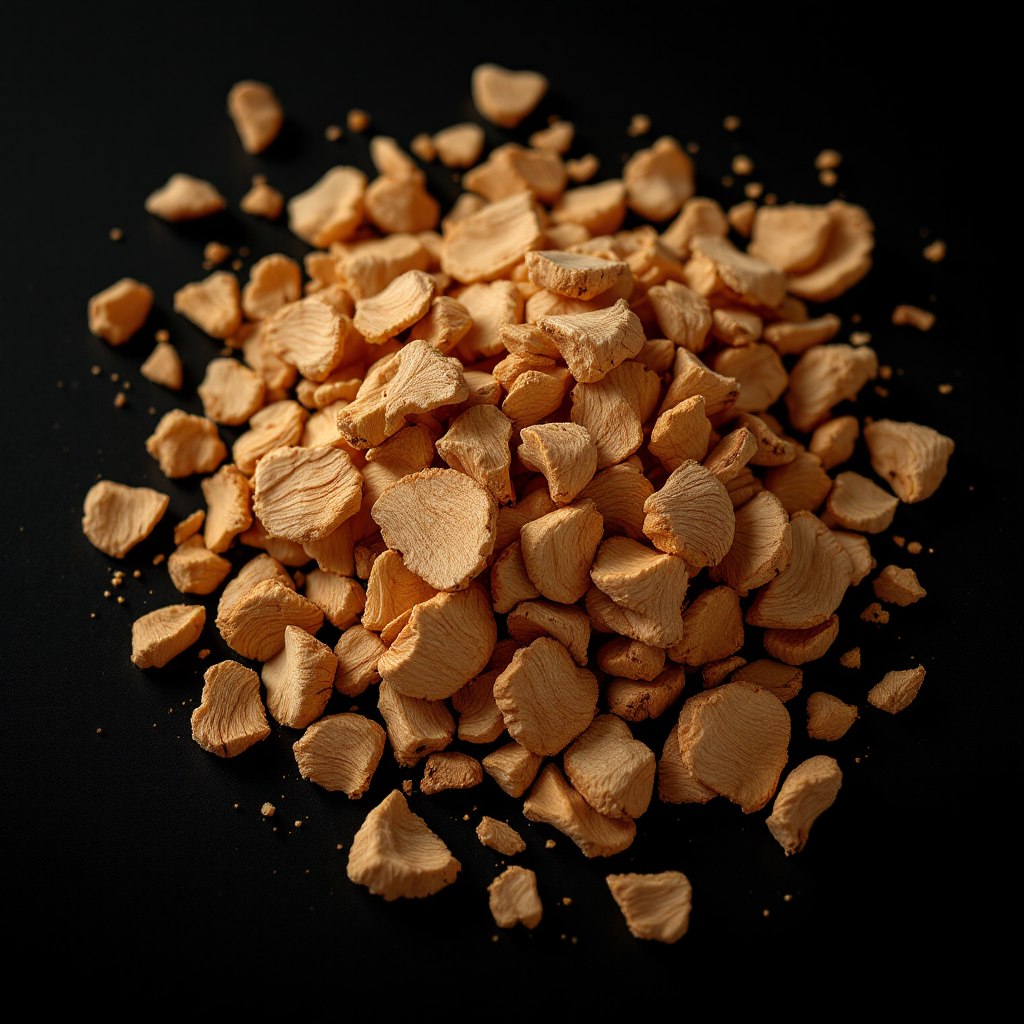
Pine Tree Needles
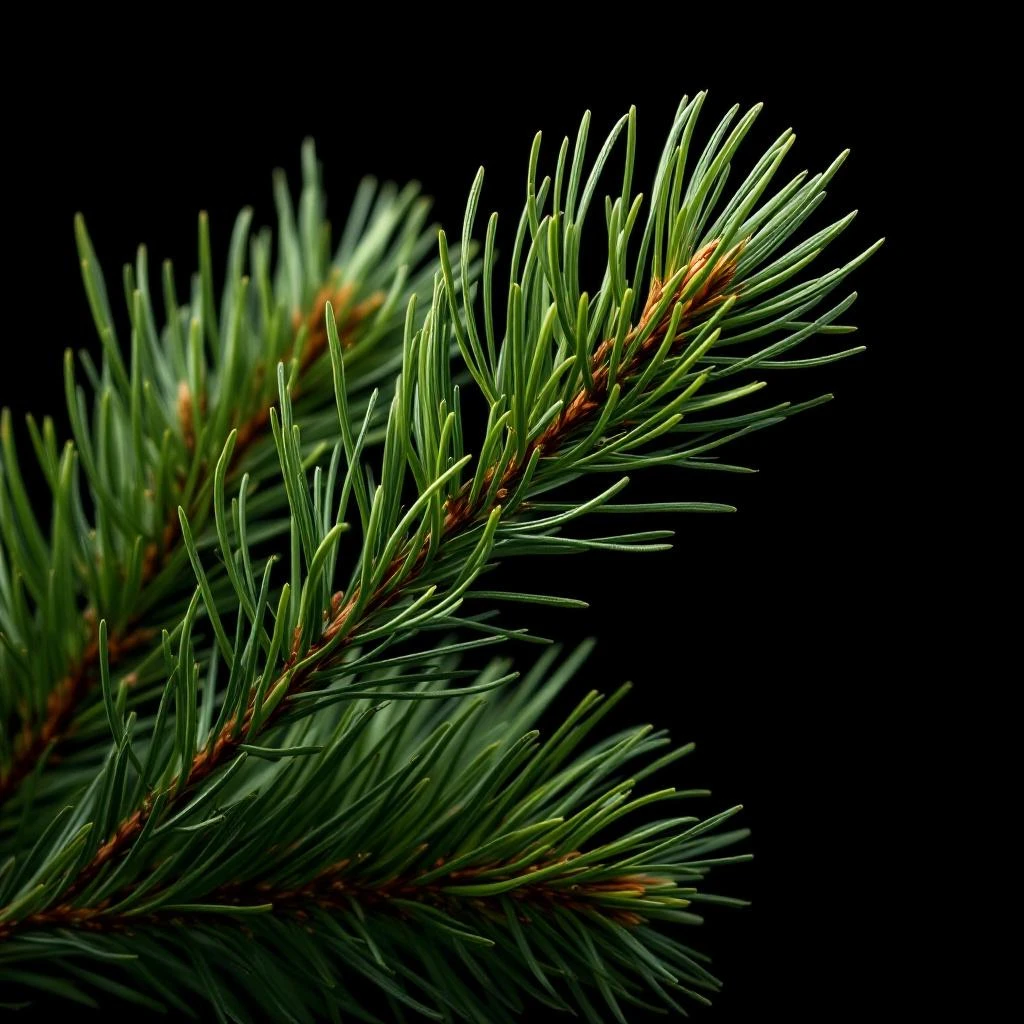
Pine tree needles deliver an evergreen freshness that captures the crisp clarity of a winter forest. The essential oil extracted from these needles carries sharp, resinous top notes with a clean, balsamic undertone that transports the wearer to remote northern woodlands with a single breath.
Character
How it smells
The crisp exhale of a northern forest in winter.
Some bristlecone pines in California have been growing for over 5,000 years, making them among the oldest living organisms on Earth.








Origin
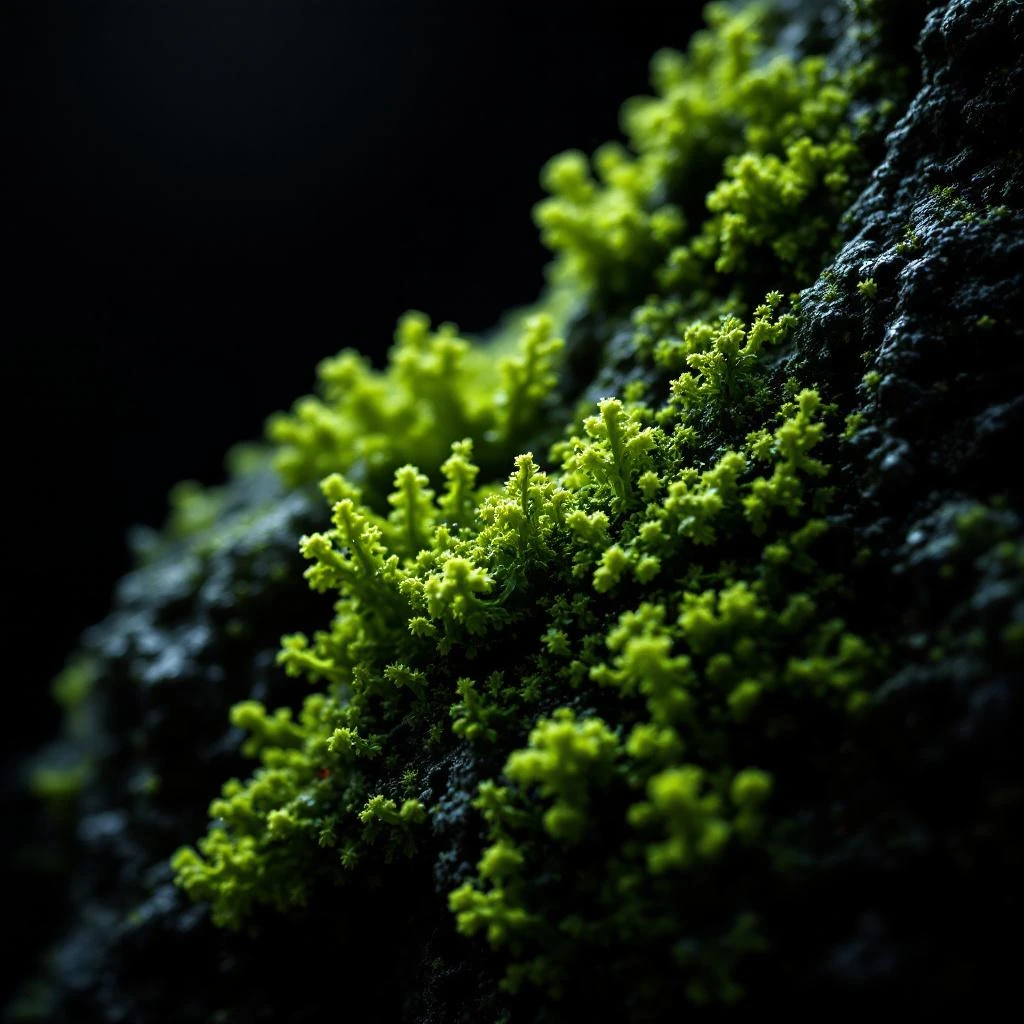
Canada
The use of pine in perfumery and aromatic applications stretches back thousands of years. Ancient Egyptians employed pine essential oils in their mummification practices, valuing its preserving and antiseptic qualities. Greek physicians documented pine resin for medicinal applications, particularly for its antiseptic properties.
During the Middle Ages in Europe, pine perfumes served a practical purpose beyond fragrance: they masked the unpleasant odors that permeated crowded cities before modern sanitation. Native American tribes used pine resin extensively for healing rituals and purification ceremonies. Viking seafarers relied on pine to construct their legendary ships, recognizing the wood's durability and resistance to decay.
The word itself derives from the Latin "pinus," meaning "resinous tree," a reference to the aromatic sap that defines the genus.
Wears it best
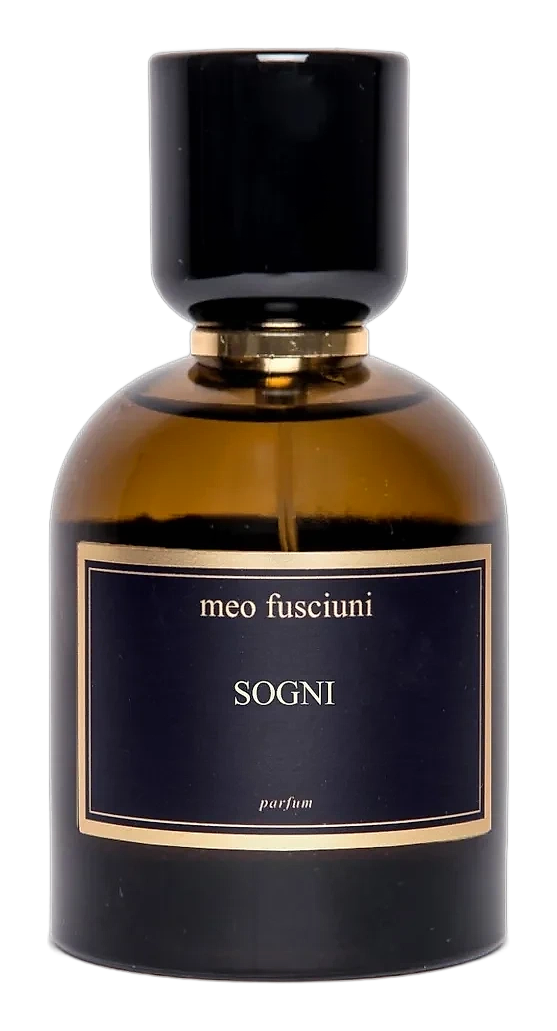
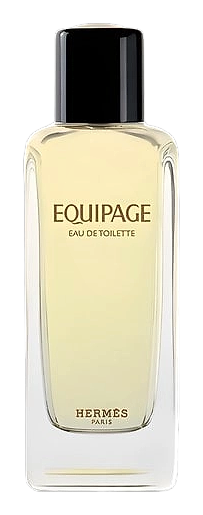
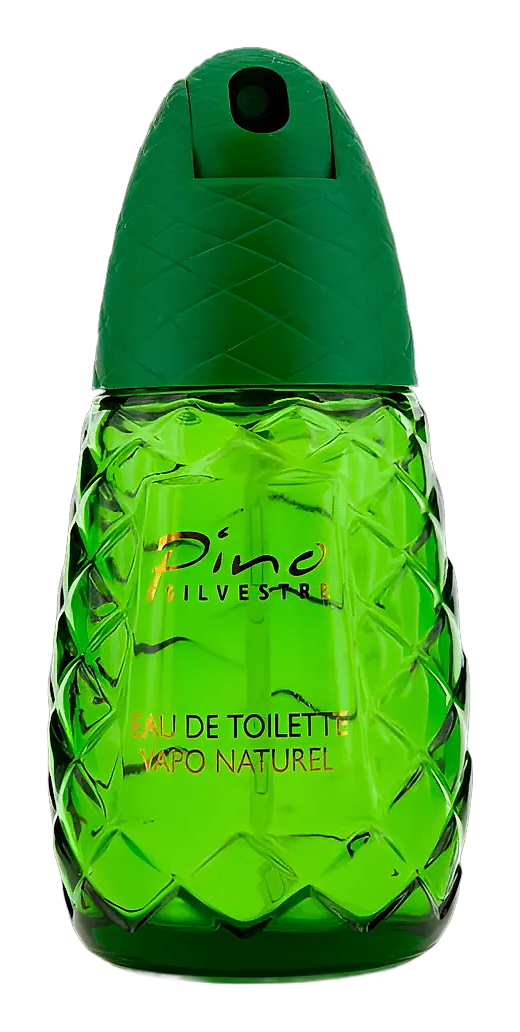
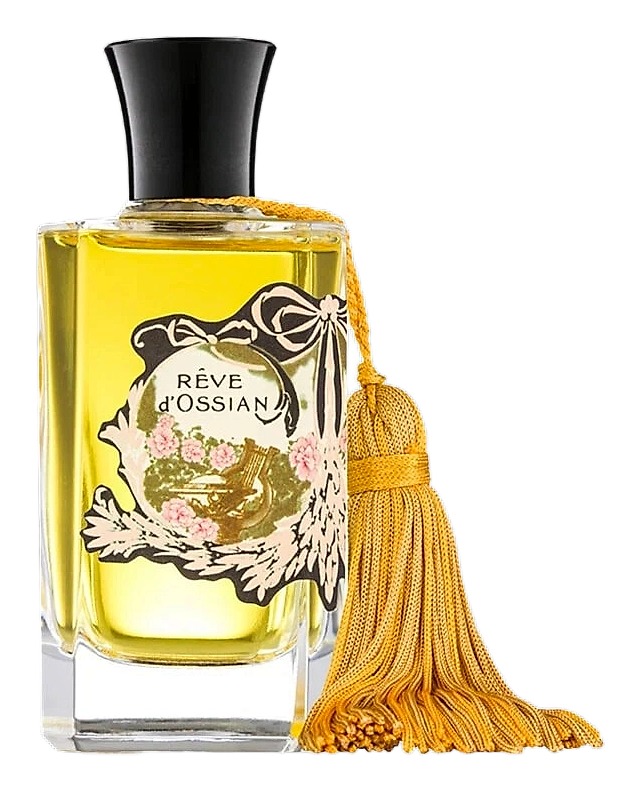
Fragrances featuring Pine Tree Needles


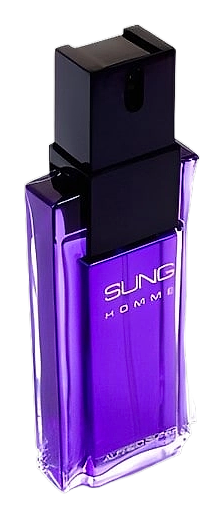

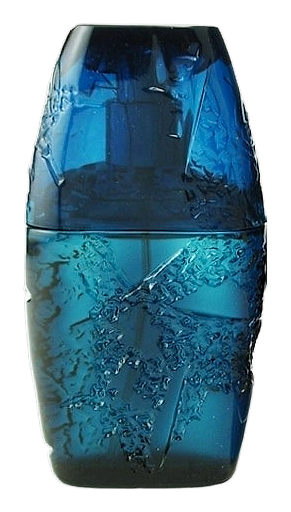
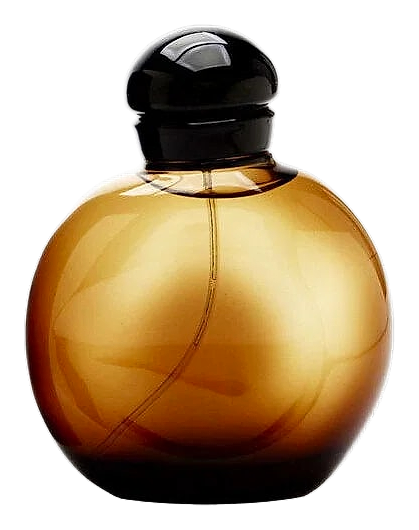
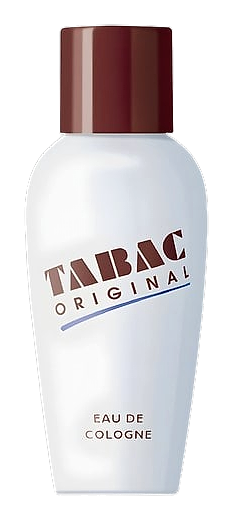
Brands
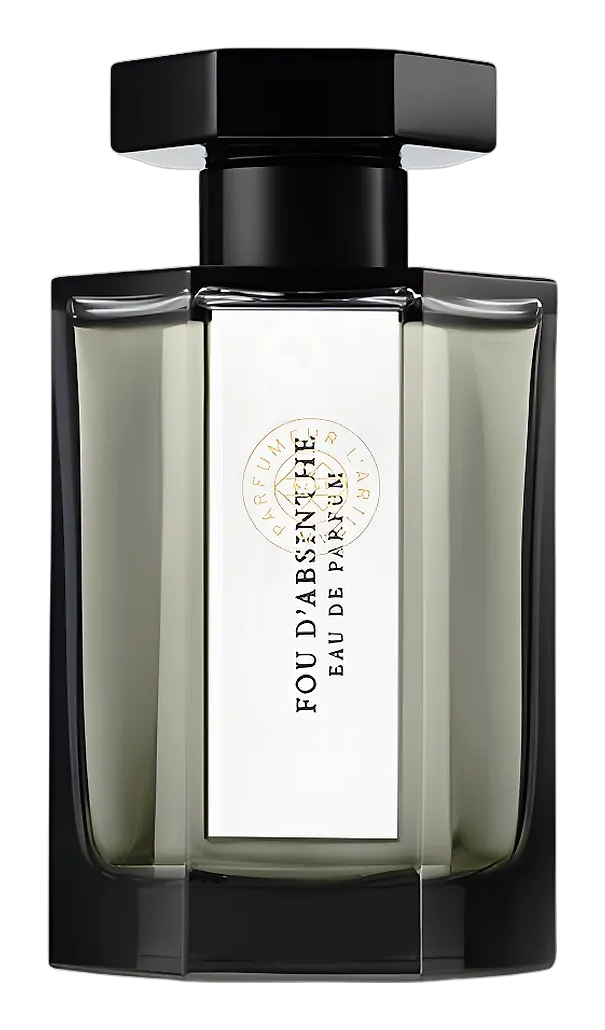
Brands known for Pine Tree Needles
Good to know
Questions, answered
The essentials on Pine Tree Needles in perfumery: how it smells, where it comes from, and how it behaves on skin.
What fragrance family does pine needle oil belong to?
Pine needle oil belongs to the woody fragrance family. It provides crisp, evergreen top notes with a sharp, resinous character that blends well with other woody and fresh ingredients.
Is pine needle oil natural or synthetic?
Pine needle oil is naturally derived through steam distillation of pine needles. Synthetic pine oil exists but accounts for approximately 90 percent of commercial sales in the specialty chemical industry as of 2000.
What are the primary chemical components of pine needle oil?
The main component is alpha-terpineol, a C10 alcohol with a boiling point of 214 to 217 degrees Celsius. Pinene and dipentene are also significant constituents that contribute to its characteristic evergreen aroma.
What does pine needle oil smell like?
Pine needle oil smells like a crisp winter forest. It delivers sharp, herbal top notes with a clean, balsamic quality and deep woody undertones reminiscent of fresh fir needles.
Which countries are primary producers of pine needle oil?
Canada and Russia are primary producers of pine needle oil. Both nations have extensive boreal forests and established essential oil extraction infrastructure.
How long has pine been used in fragrance?
Pine has been used in perfumery since ancient times. Egyptians used it for mummification, Greeks for medicinal applications, and Europeans during the Middle Ages for masking city odors.
Can pine needle oil be blended with other ingredients?
Pine needle oil blends well with other woody notes like cedar and sandalwood, fresh citrus oils, and herbal ingredients like rosemary and sage. It works as both a feature note and a supporting element in fragrance composition.
What extraction methods are used for pine needle oil?
Steam distillation is the most common method. Solvent extraction produces highly concentrated absolutes, while microwave extraction represents newer technology being adopted in some commercial operations.