

The Story
Why it exists.
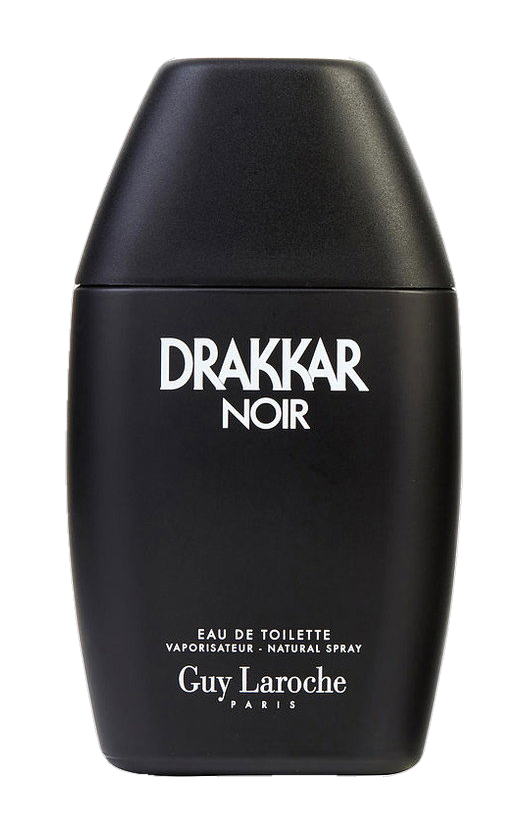
In 1982, Pierre Wargnye created Drakkar Noir as a successor to the 1972 Drakkar. The brief was clear: take the aromatic fougere structure, a genre rooted in 19th-century French perfumery, and push it into something that projected masculine authority without softening at the edges. The opening bursts with a sharp, green herbal combination that sets a confident tone. As it develops, the heart reveals a calculated balance of notes, each layer reinforcing the next. The drydown settles into a warm, woody base that completes the composition with lasting presence. The result is a fragrance that feels both rooted in tradition and distinctly modern in its execution.
If this were a song
Community picks
Innerbloom
RÜFÜS DU SOL
The Beginning
In 1982, Pierre Wargnye created Drakkar Noir as a successor to the 1972 Drakkar. The brief was clear: take the aromatic fougere structure, a genre rooted in 19th-century French perfumery, and push it into something that projected masculine authority without softening at the edges. The opening bursts with a sharp, green herbal combination that sets a confident tone. As it develops, the heart reveals a calculated balance of notes, each layer reinforcing the next. The drydown settles into a warm, woody base that completes the composition with lasting presence. The result is a fragrance that feels both rooted in tradition and distinctly modern in its execution.
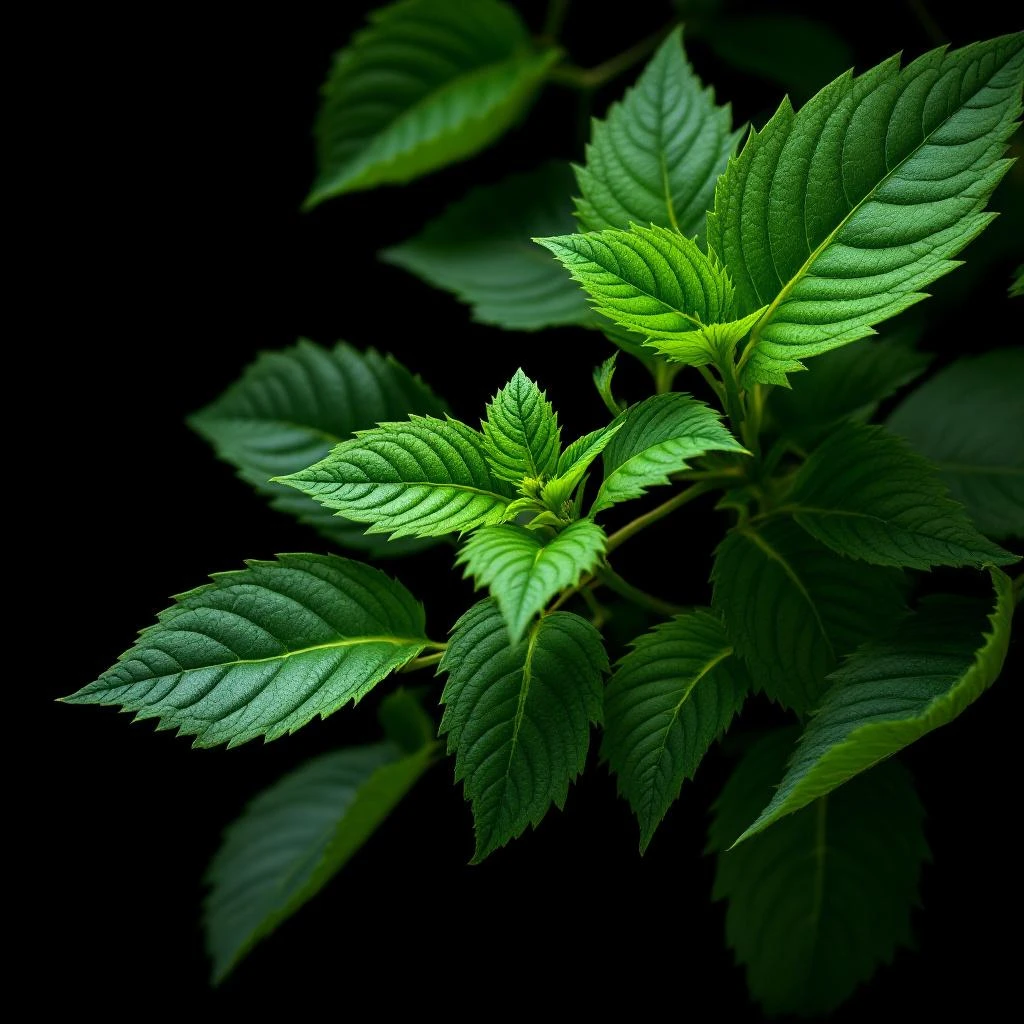
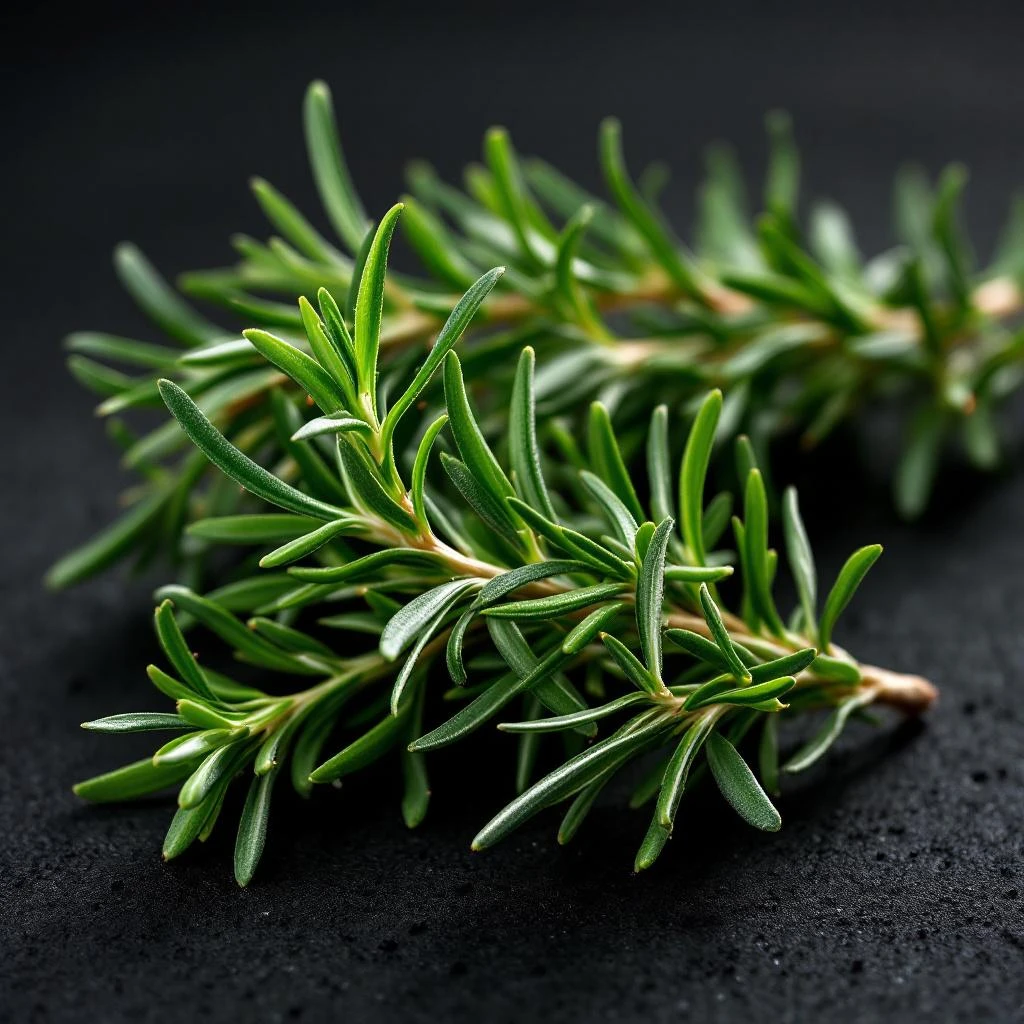
The note architecture is deliberate in its contrasts. Seven top notes, lavender, bergamot, lemon verbena, rosemary, mint, basil, artemisia, create an opening salvo that reads as cool and green before the composition has had time to breathe. Then the heart introduces spice and floral: carnation, cinnamon, coriander, jasmine. It's a move from open air into something warmer, more enclosed. The base amplifies this: oakmoss, leather, vetiver, patchouli, cedar, amber, resins. Each layer shifts the territory.
The Evolution
The opening thirty minutes belong to lavender and mint, soapy and sharp, with citrus underneath keeping things bright. Then the heart takes over gradually, juniper and carnation arrive quietly, cinnamon threading warmth through what was cool. By the second hour, the fougere structure is fully established: oakmoss and leather dominate, with vetiver adding an earthy, almost mineral depth. The base holds. Sandalwood and cedar soften the edges without making them gentle. On most skin, this lasts into the evening. On fabric, it lingers the next morning.
Cultural Impact
Drakkar Noir has outlasted most fragrances from its era. Where many 1980s masculines read as dated, this one maintains relevance through the uncompromising clarity of its structure. The scent opens with bright citrus and lavender, setting a crisp aromatic foundation. Herbal heart notes build in layers, creating a complexity that rewards close attention. The drydown brings warm vetiver and sandalwood, providing a smooth transition into woody territory. Throughout its evolution, the fragrance maintains a balanced projection that feels authoritative without being overwhelming.
The House
France · Est. 1957
Guy Laroche brought Parisian elegance to women who wanted strength in their silhouette and grace in their movement. Founded in 1957, the house began in fashion—vibrant color, plunging necklines, structured lines softened by a feminine hand—but soon expanded into fragrance. Fidji launched in 1966, the first of many scents that would dress modern women in confidence and clarity. Today, the house carries its fashion heritage into every bottle: strong, refined, and unmistakably elegant.
If this were a song
Community picks
The fougere structure is a kind of masculine counterpoint, cool green herbs resolving into warm leather and earth. The sonic equivalent is a late-night conversation in a place with wood paneling: jazz fading into something slower, more considered. The opening asks for tension; the drydown releases it.
Innerbloom
RÜFÜS DU SOL