







Heritage
A house, in its own words
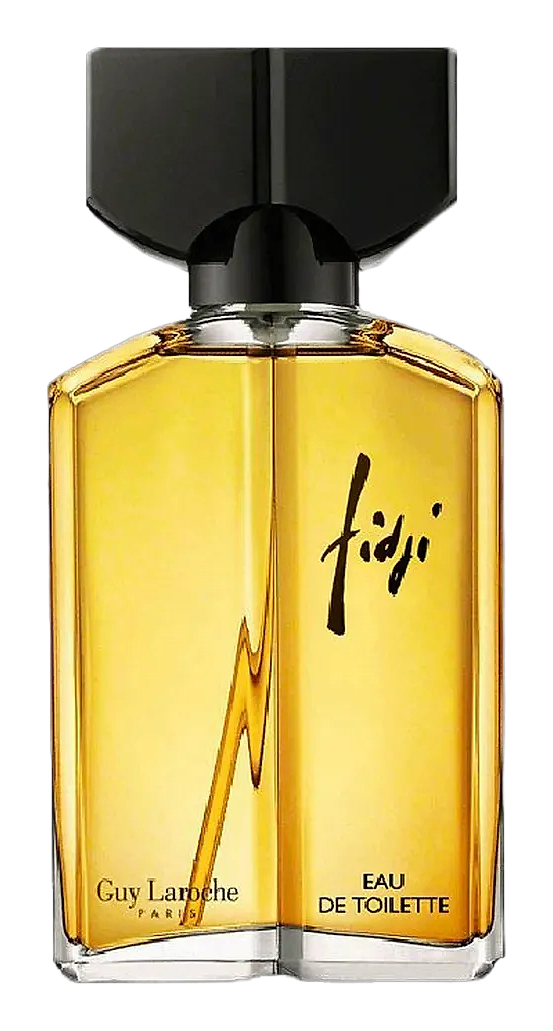
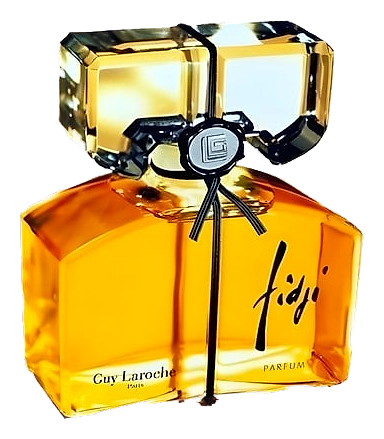
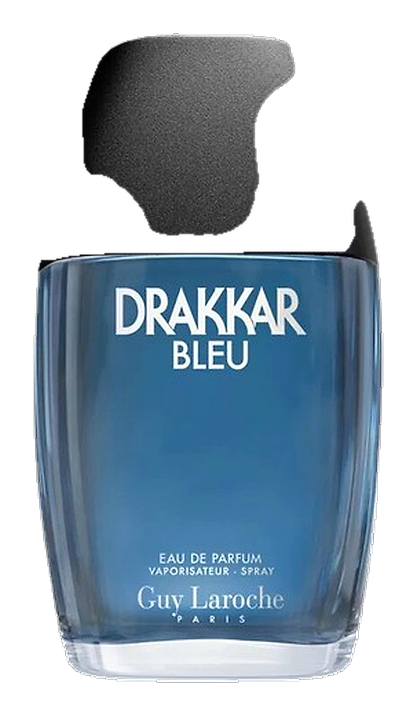
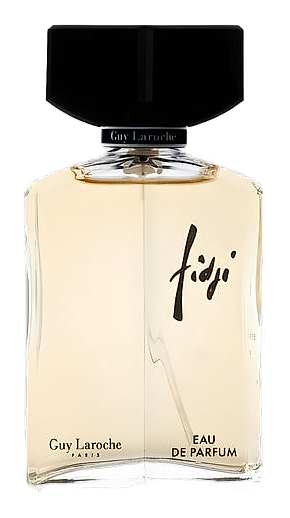
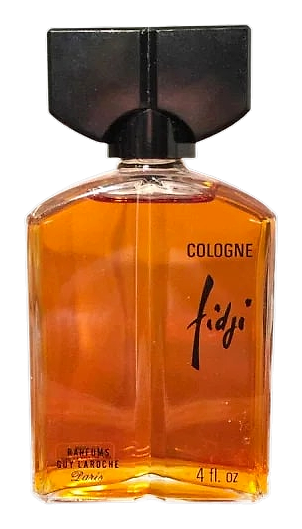
Guy Laroche opened his Paris atelier in 1957 with a clear mission: to dress women beautifully without compromise. Born in La Rochelle to a Tunisian Jewish family, he had trained under Jean Dessès before setting out alone. His early collections reintroduced vibrant color to Parisian fashion—pink, orange, coral, turquoise—and featured the plunging necklines and back lines that became his signature. His aesthetic was structured yet free. Laroche moved his house to 29 Avenue Montaigne in 1961, establishing both his couture operation and a boutique that brought his vision to a broader audience. He expanded into men's ready-to-wear in 1966, the same year Fidji launched as his first fragrance. The company continued to grow through the 1970s and 1980s, releasing Drakkar Noir in 1982 and establishing itself as a major force in both fashion and fragrance. Laroche died in 1989 at 67. Marcel Marongiu took creative direction in 2007, and the house continues to operate with the same spirit: heritage that evolves, elegance that remains. His legacy endures in the women who wear his designs and the fragrances that carry his name forward. Laroche believed in designing for real women. Where other Parisian houses projected aloofness, he brought warmth and accessibility. He called himself a tailor first, and that sensibility—precision, craft, respect for the body—informed everything from couture gowns to ready-to-wear. His vision was strength without sacrifice. The tuxedo for women was one of his quiet revolutions: masculine structure, feminine hand. Laroche listened closely to what women wanted: freedom of movement, elegance that did not demand compromise. In fragrance, this philosophy translated to scents that projected confidence and clarity rather than excess. Each composition was designed to make the wearer feel assured, never overpowered. The house continues this approach today: perfumes that feel like a well-cut jacket—supportive, elegant, yours.