The Story
Why it exists.
The beginning
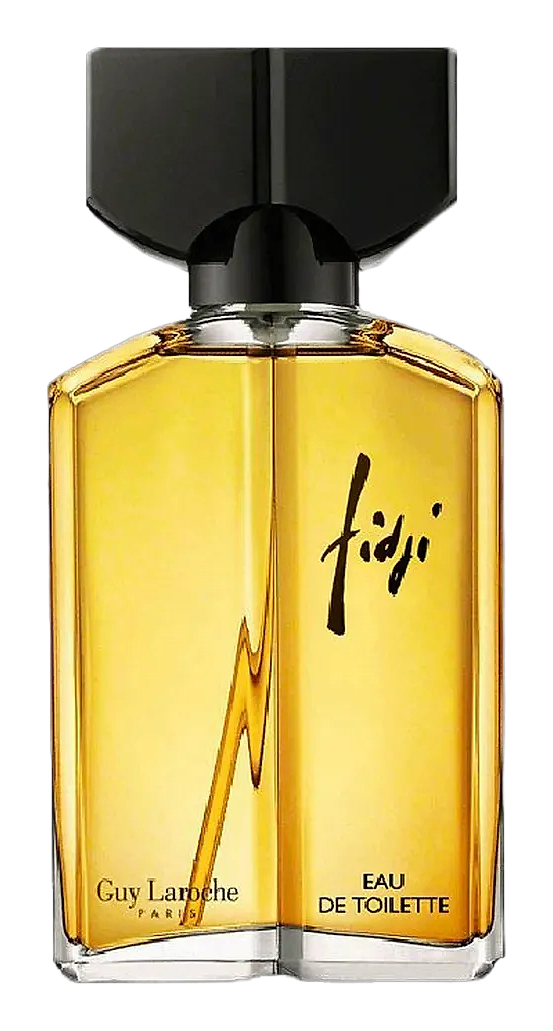
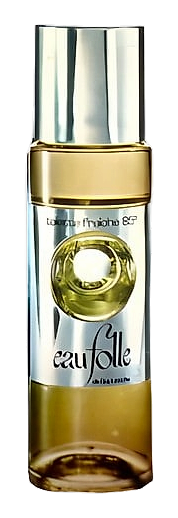
Eau Folle arrived in 1970 under the Guy Laroche house, French fashion label, founded 1957, built on structured silhouettes and feminine confidence. The name says it all: crazy water. Not reckless, exactly. Unpredictable. A citrus fragrance that refuses to stay citrus. The house had already proven its fragrance instincts with Fidji in 1966, and Eau Folle was the next chapter, same elegance, different mood. This was for the woman who wanted her scent to move.
The structure is what makes it unusual. Most citrus fragrances open bright and stay bright. Eau Folle opens bright, then pivots. The carnation in the heart adds a spiced floral warmth that bridges the gap between the crisp top and the leather-woody base. Caraway seeds that thought. Rose that softens without sweetening. And then oakmoss, classic chypre anchor, meets patchouli's earthiness and cedar's dry warmth. The result is a fragrance that earns its animalic label without ever becoming heavy.
The evolution
The citrus opening hits sharp and clean. Lemon, bergamot, petitgrain, a bright, green citrus quartet that announces itself with confidence. Within twenty minutes, the hand-off begins. Fruity notes emerge alongside the carnation and rose, adding texture without sweetness. The carnation is the pivot point, it introduces warmth, a slight spice, and suddenly the fragrance feels less like morning and more like afternoon. By the hour mark, the citrus has receded and the leather makes its case. Not loud. Not aggressive. Just present. Oakmoss and patchouli create that dry, slightly acerbic chypre signature while cedar grounds everything with its woody weight. Musk lingers underneath, soft and animalic, holding the drydown together. Eight to ten hours on most skin. Close-wearing, but unmistakable while it lasts.
Cultural impact
Eau Folle launched in 1970, a period when Guy Laroche was establishing itself as a fashion house with strong fragrance credentials following Fidji in 1966. This fragrance represented a departure from the tropical and floral trends of the late 1960s, opting instead for an unpredictable citrus-chypre structure that surprised wearers expecting another safe release. Though discontinued, Eau Folle remains a reference point for leather-chypre enthusiasts and collectors of vintage French perfumery. Its bold citrus-to-leather progression influenced how modern niche houses approach fragrance architecture.