The Story
Why it exists.
The beginning
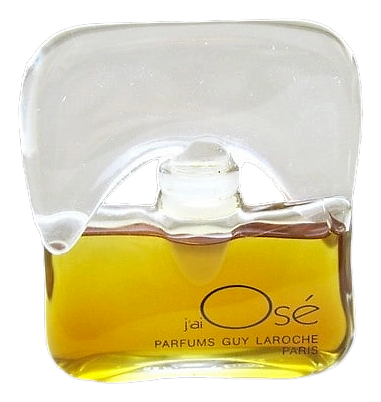
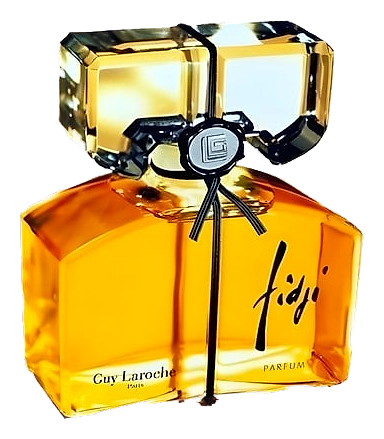
Guy Laroche founded his Paris house in 1957 with a clear conviction: women deserved strength in their silhouette and grace in their movement. By 1966, he had brought that philosophy to fragrance. Fidji was his first, named for the islands, for escape, for somewhere far from the measured elegance of Avenue Montaigne. Josephine Catapano composed it as a fragrance that dressed ambition the way his gowns did: without compromise. The name said island breeze. The structure said couture. Fidji arrived at a moment when Parisian women were moving through the world differently, working, traveling, asserting space. A scent named for the Pacific needed to match that energy: fresh enough to travel with, complex enough to hold attention, grounded enough to last a full day. Catapano built it as a counterpoint to the aldehydic giants already on the market, same tradition, different destination.
The aldehydes are the tell. In Fidji, they don't just lift the opening, they amplify everything that follows. The green galbanum and citrus spark bright, then the aldehydes turn up the volume on the floral heart until tuberose and jasmine feel almost luminous. It's the technique that separates a classic aldehydic-floral from a forgettable one: the aldehydes aren't a trend. They're a structure. What makes Fidji distinctive is the density of the heart. Eight floral materials, Madagascan ylang-ylang, Egyptian tuberose, jasmine, Bulgarian rose, Florentine iris, violet, lilac, carnation, layered over the same aldehydic base that defined 1960s perfumery.
The evolution
The opening announces itself immediately. Aldehydes and green galbanum hit cool and sharp, with citrus lifting the top. That aldehydic sparkle doesn't fade, it lingers, carrying the florals as they arrive. The transition isn't gradual. One moment it's green and bright; the next, the white florals bloom and the heart opens like a room with all the windows raised. The heart is where Fidji earns its reputation. Tuberose and jasmine arrive creamy, almost dense, while rose and carnation add spice beneath. The iris and violet keep it powdery from the start, the florals don't arrive and then become powdery. They're powdery from the beginning, which gives the whole composition a talc-like warmth even at its peak. The drydown is warm powder. Mysore sandalwood and Persian musk blend into something skin-close, with ambergris adding a salt undertone that keeps the warmth from going flat. The vetiver and oakmoss ground it. Eight to ten hours, close to the skin, the aldehydic-floral signature that defines Fidji.
Cultural impact
Fidji Parfum launched in 1966 as Guy Laroche's debut fragrance, marking the couturier's expansion beyond fashion into beauty. The scent arrived during a transformative period in perfumery when aldehydic florals dominated high fashion. Catapano's bold composition challenged conventions of the era with its rich green galbanum and dense floral heart, setting it apart from lighter aldehydic compositions. The fragrance established Guy Laroche as a serious player in luxury perfumery and became a signature scent for women seeking sophistication without predictability.