Egyptian Tuberose
Egyptian Tuberose captures one of nature's most intoxicating white florals through ancient enfleurage techniques perfected along the Nile. Its narcotic, honeyed nectar defines some of perfumery's most legendary florals.
Character
How it smells
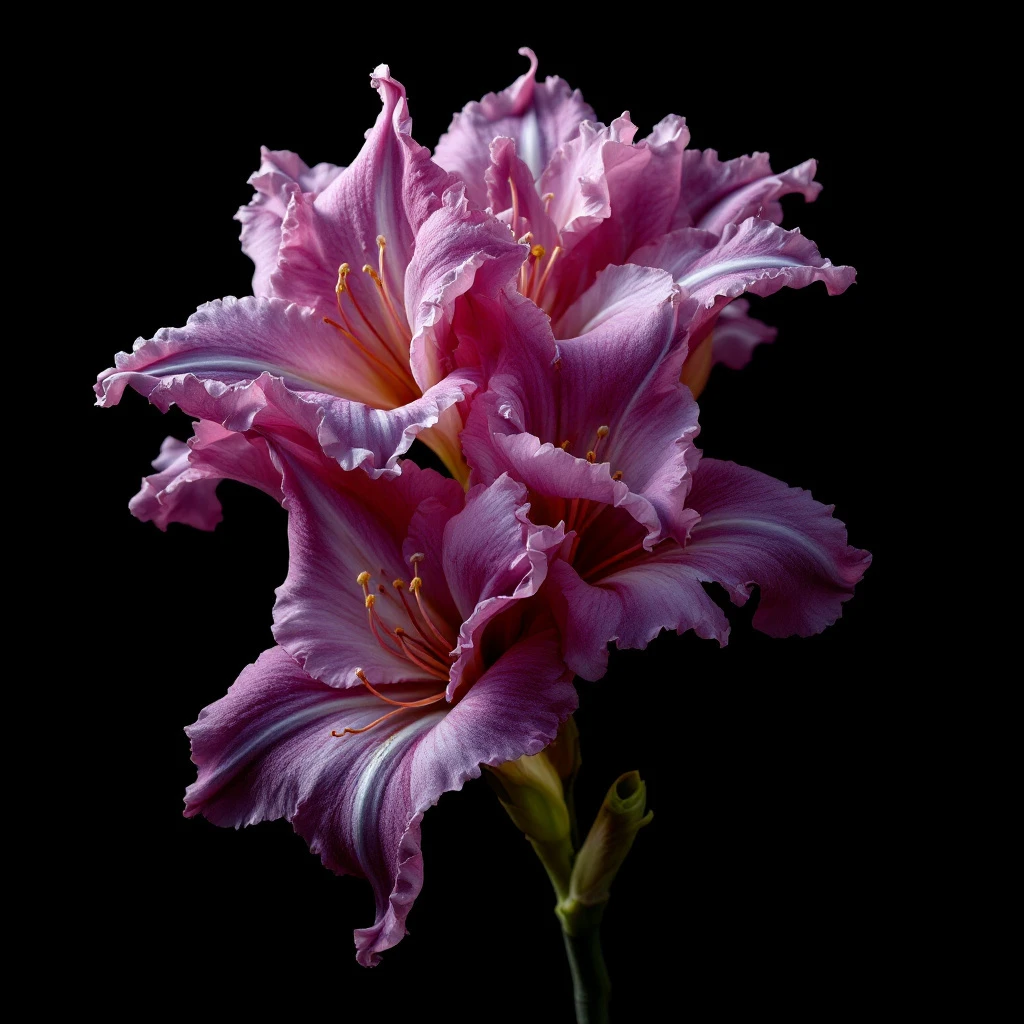
White floral intensity with narcotic honeyed nectar.
It takes 3,500 to 7,000 kilograms of hand-picked night-blooming tuberose flowers to yield just one kilogram of absolute.





Origin
Mexico
Despite its name, tuberose originates from the highlands of Mexico, where pre-Columbian civilizations cultivated it for ceremonial purposes. The 'Egyptian' designation honors the ancient extraction technique rather than geographical origin.
Enfleurage itself traces back to ancient Egypt around 3300 BCE, where archaeologists have uncovered evidence of sophisticated perfumery practices. When tuberose reached Grasse in the 17th century, French perfumers adopted these Egyptian extraction methods to capture the flower's lavish scent.
Production increased notably during the 19th century as modern perfumery evolved. Today, the technique survives as a link to perfumery's artisan roots, preserving knowledge that connects contemporary fragrance creation to three millennia of continuous refinement.
Wears it best
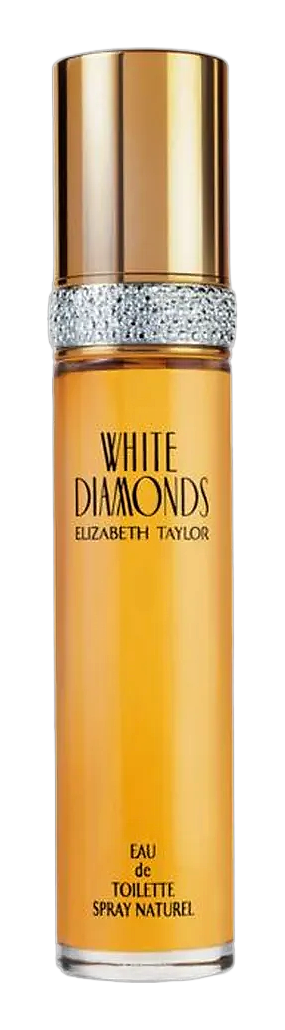
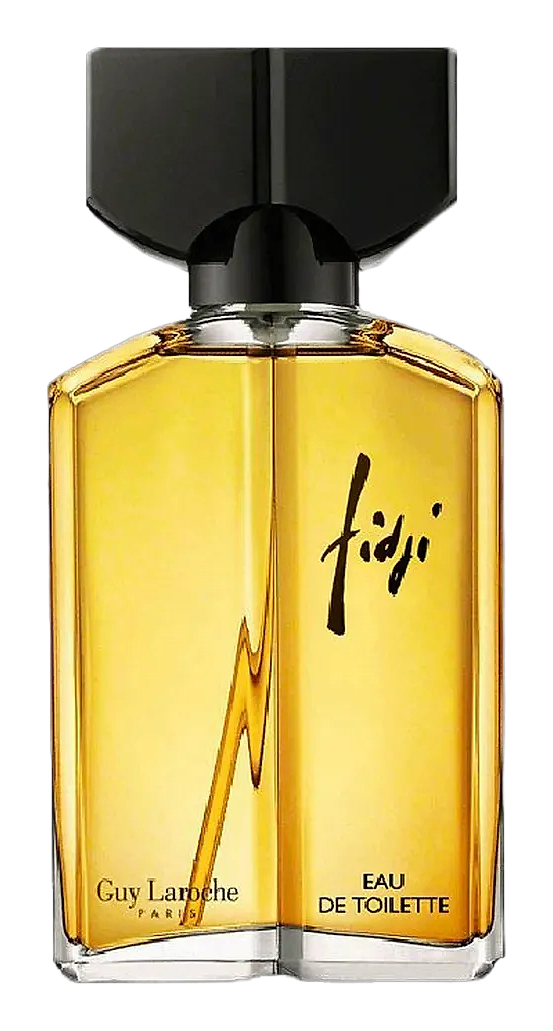
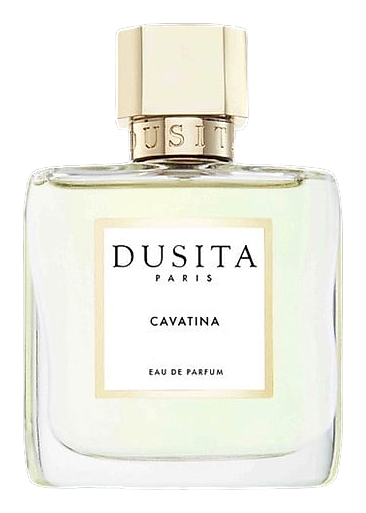
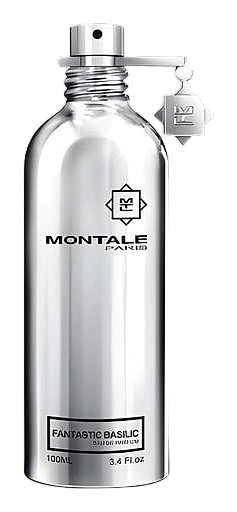
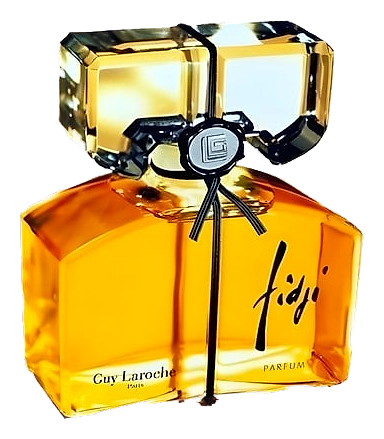
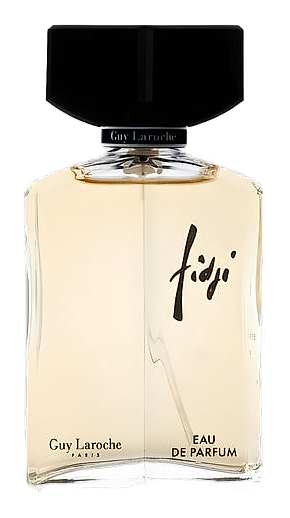
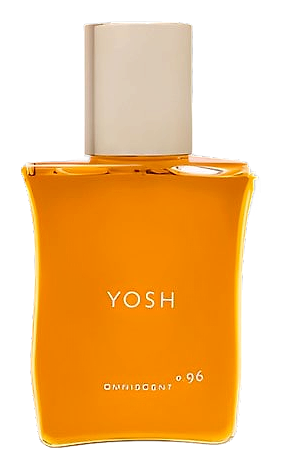
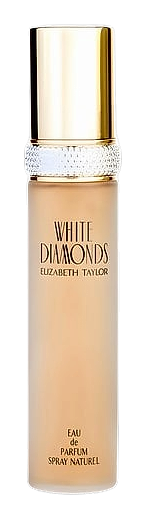
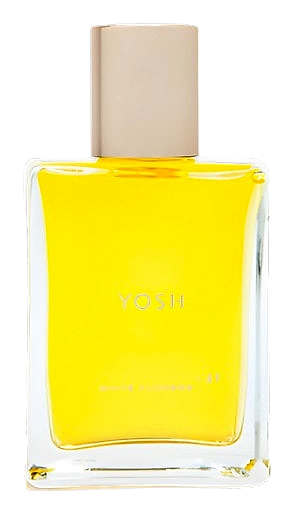
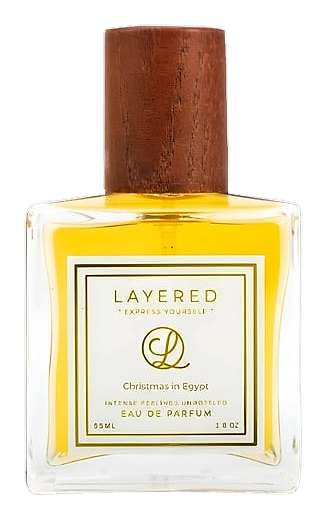
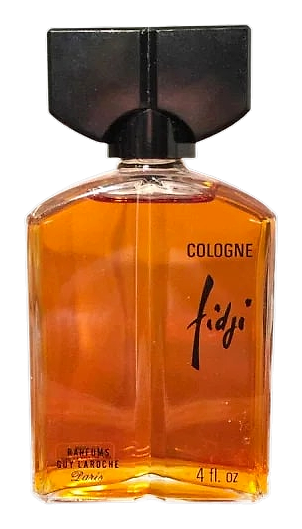
Fragrances featuring Egyptian Tuberose
Brands
Brands known for Egyptian Tuberose
Good to know
Questions, answered
The essentials on Egyptian Tuberose in perfumery: how it smells, where it comes from, and how it behaves on skin.
What does Egyptian Tuberose smell like?
Egyptian Tuberose delivers an intensely creamy, narcotic white floral scent with honeyed nectar and buttery richness. Green facets emerge in the top notes before yielding to a creamy, almost waxy depth. It is considered one of the most potent and intoxicating natural ingredients in perfumery.
Why is it called 'Egyptian' if tuberose originates from Mexico?
The 'Egyptian' prefix refers to the extraction technique, not the flower's origin. Ancient Egyptians developed enfleurage around 3300 BCE, and modern producers who employ this traditional method inherit that heritage. The technique traveled to Grasse where perfumers applied it to imported tuberose blooms.
What makes Egyptian Tuberose so expensive?
Yield is extremely low at 0.12-0.18% from concrete. It requires 3,500 to 7,000 kilograms of flowers to produce one kilogram of absolute. Flowers must be harvested at night when scent peaks, and extraction demands specialized knowledge. These factors combine to make tuberose absolute among the costliest natural ingredients available.
How do perfumers preserve the ancient enfleurage tradition today?
Houses like Robertet have revived authentic enfleurage as a bridge between heritage and modern perfumery. They spread fresh tuberose petals on odorless fats, allowing natural absorption over several days before washing with alcohol to isolate fragrant compounds. This labor-intensive process produces distinctive aromatic profiles impossible to replicate synthetically.
What fragrance families pair well with Egyptian Tuberose?
Egyptian Tuberose anchors white floral compositions and complements green notes like galbanum and hyacinth. It pairs beautifully with other florals including jasmine and ylang-ylang. Sandalwood and vanilla enhance its creamy warmth, while citrus top notes provide brightness that tempers its intensity.
How is Egyptian Tuberose used in perfumery?
Perfumers use it as a heart note to provide rich floral depth and sensuality. It appears prominently in soliflores and floriental compositions. A little goes a long way; even 1-2% in a formula delivers noticeable impact. It performs exceptionally well inExtrait, Parfum, and Eau de Parfum concentrations.
Is Egyptian Tuberose natural or synthetic?
Egyptian Tuberose absolute is entirely natural, extracted from Polianthes tuberosa flowers. Synthetic alternatives exist as odorants that approximate tuberose's scent profile. Natural absolute captures the complete aromatic complexity that synthetic approximations cannot fully replicate, commanding premium pricing accordingly.
What distinguishes Egyptian Tuberose from other tuberose extracts?
The distinction lies in extraction methodology rather than raw material. When produced via traditional enfleurage, Egyptian Tuberose captures the flower's aromatic profile with exceptional fidelity to its living scent. Solvent-extracted versions offer consistency but may lose some nuanced top notes. The Egyptian heritage implies craft and tradition in production.