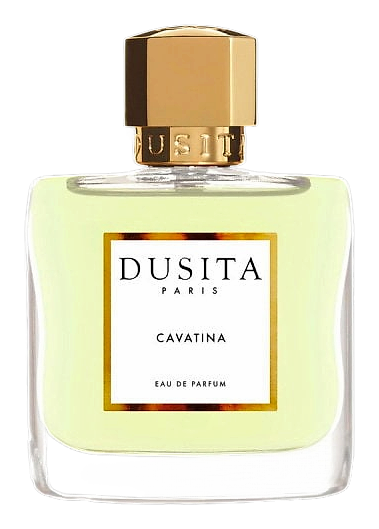
The Story
Why it exists.
The beginning
Cavatina takes its name from the Italian term for a short, graceful melody, a solo piece that doesn't need accompaniment. For Pissara Umavijani, it represents a return to simplicity after her more elaborate compositions. The fragrance captures a specific kind of morning: the hour when dew still sits on petals, when the air is cool and the world hasn't fully woken. It's Pissara's answer to the question she kept hearing, where is the white floral that doesn't demand attention?
The answer lives in the structure. Rather than opening with tuberose's full Narciso-force, Cavatina introduces it through bergamot's brightness and litsea cubeba's subtle spice. The green citrus cools the florals before they arrive, so when jasmine and tuberose finally settle onto skin, they read as dewy rather than dense. Ylang-ylang adds tropical cream without sweetness. The effect is a white floral that breathes, one of the harder things to achieve in perfumery, where tuberose tends to dominate or disappear entirely.
The evolution
The opening arrives crisp and green. Bergamot and litsea cubeba create a citrus freshness that feels almost mineral, like the smell of a lemon rind on cool porcelain. Petitgrain adds a dry, slightly bitter undertone that keeps things interesting. Within minutes, Egyptian jasmine begins to assert itself, followed closely by tuberose. Together they smell like petals bruised by morning light, floral but not sweet, lush but controlled. The transition into the heart phase happens around the 20-minute mark, when lily of the valley emerges with its cool, almost dewy quality. Tea rose softens the floral edges. Ylang-ylang provides a tropical cream that prevents the composition from feeling too austere. By hour two, the florals have settled into skin. The drydown belongs to ambrette, sandalwood, and vanilla, a warm, slightly musky finish that stays close and intimate. On fabric, the sandalwood and vanilla linger into the evening. Six hours in, a faint trace of the tea rose remains, tucked against the skin like a secret.
Cultural impact
Since its 2021 launch, Cavatina has found its audience among those who want white florals without the usual weight, wearers who find typical tuberose compositions too dense for daily life. The niche fragrance community has noted its green-tea quality as a distinguishing feature. Comparable to other refined florals like Le Labo Rose 31 or Byredo Gypsy Water, Cavatina occupies its own space: formal enough for the office, intimate enough for close encounters. The house's literary, poetic positioning attracts collectors who view fragrance as a form of personal expression rather than a status signal.