Tea Rose
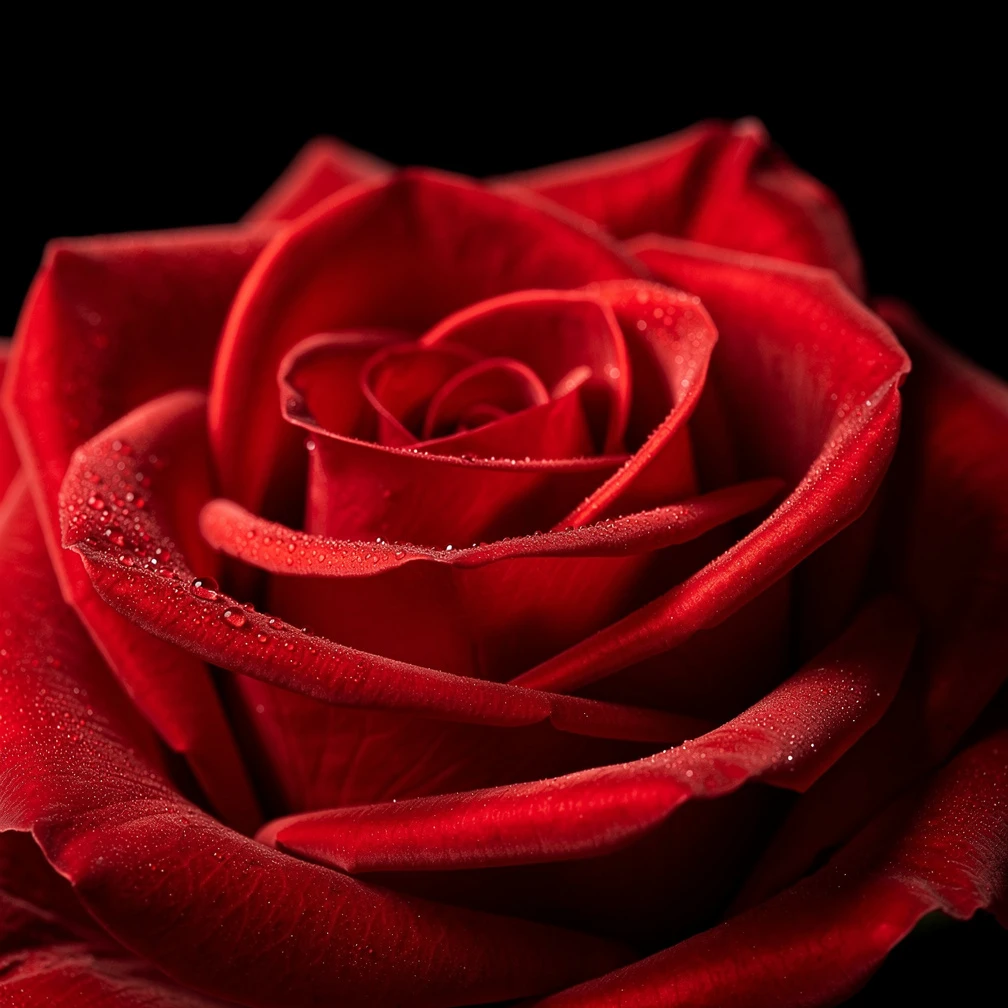
The tea rose note captures the delicate, honeyed freshness of hybrid tea roses—green stems, dewy petals, and that unmistakable tea-like nuance that sets them apart from damask roses. It offers a lighter, more feminine rose experience.
Character
How it smells
Fresh, green, and elegantly honeyed—roses with a twist of tea.
Hybrid tea roses were created in 1867 by crossing European roses with Chinese varieties, forever changing rose cultivation and giving perfumers a new aromatic profile.








Origin
China
The tea rose's story begins in ancient China, where Rosa odorata and its ancestors grew wild in Yunnan province. Chinese gardeners cultivated these roses for their unique fragrance—a lighter, more tea-like scent compared to the intensely rich damask roses of Europe. The first documented use of rose essence dates to ancient Egypt, where hieroglyphics describe rose oil production.
However, the hybrid tea rose as we know it emerged only in 1867, when French breeder Jean-Baptiste Guillot crossed Rosa gallica with Rosa gigantea and Rosa chinensis. This hybridization created the classic elegant bloom with pointed petals and the distinctive fragrance that inspired the 'Tea Rose' perfumery note. European travelers to China had brought back Rosa odorata specimens, sparking centuries of breeding experimentation.
By the 18th century, Moroccan rosewater production through Arab and Berber distillation techniques had established the rose perfume industry. The Perfumer's Workshop launched the first commercial Tea Rose fragrance in 1972, introducing this delicate note to a mass audience.
Wears it best
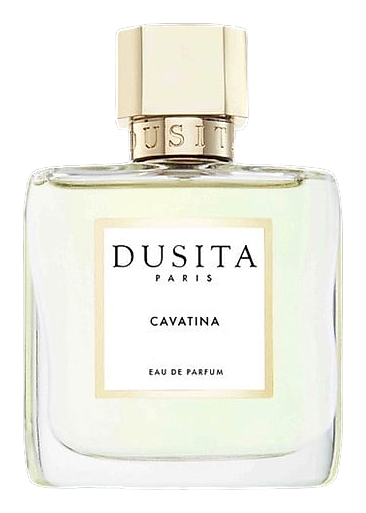
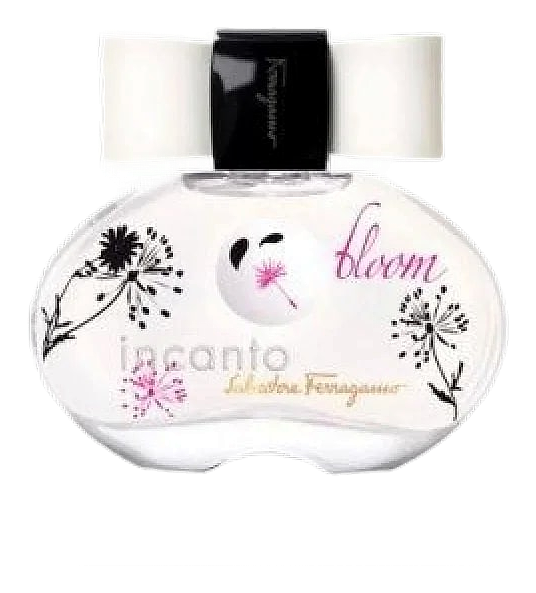
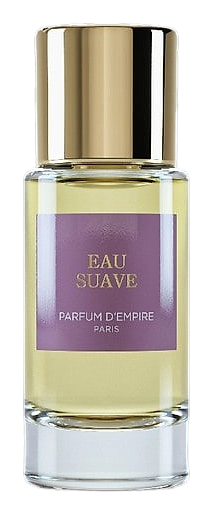
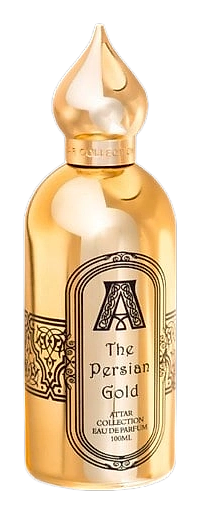
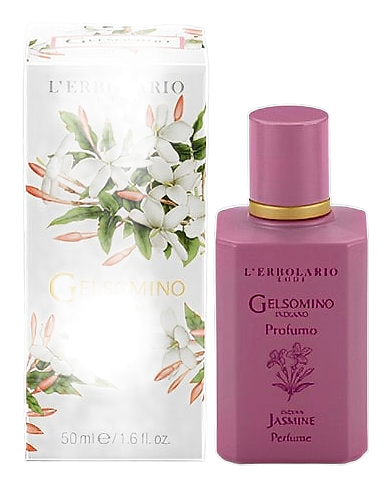
Fragrances featuring Tea Rose

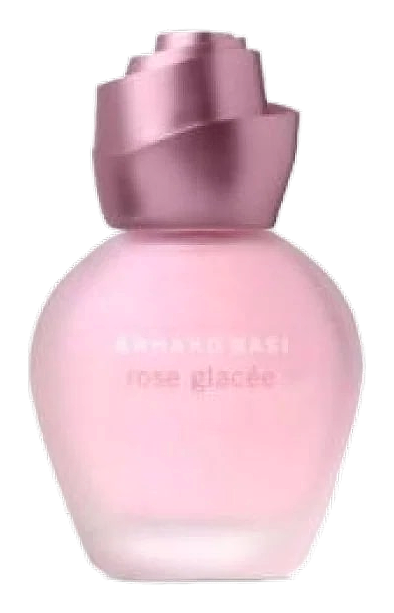
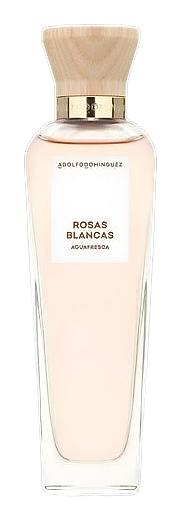
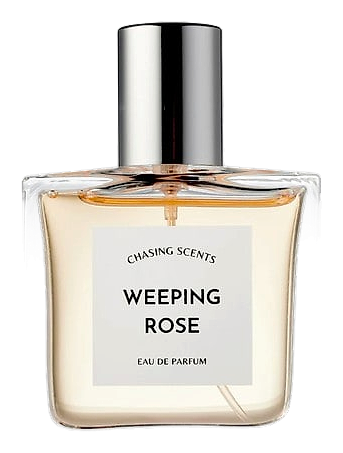
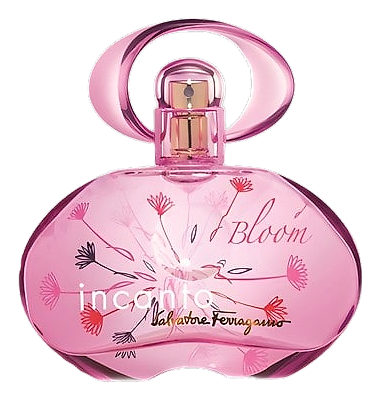
Brands
Brands known for Tea Rose
Good to know
Questions, answered
The essentials on Tea Rose in perfumery: how it smells, where it comes from, and how it behaves on skin.
What does Tea Rose smell like?
Tea Rose smells fresh, green, and lightly honeyed with a distinctive tea-like nuance. It is lighter and more delicate than damask rose, with citrusy and slightly musky undertones that feel elegant and feminine.
Is Tea Rose natural or synthetic?
Tea Rose can be both. Modern perfumery often uses nature-identical isolates derived from rose petals, though some formulations blend natural extracts with synthetic molecules to replicate the specific tea rose profile.
What roses are used to make Tea Rose note?
Tea Rose is derived from hybrid tea rose varieties, primarily Rosa odorata and its descendants. These roses were first cultivated in China before spreading to European and Indian rose gardens.
Where does Tea Rose originate from?
Tea Rose originates from China, specifically from Rosa odorata varieties that grew wild in Yunnan province. The hybrid tea rose was later developed in Europe after Chinese specimens arrived via trading routes.
How is Tea Rose extracted?
Tea Rose is extracted via steam distillation or solvent extraction of rose petals. The process yields rose water, rose concrete, and rose absolute, which are then refined into isolates for perfumery use.
What perfumes feature Tea Rose?
The Perfumer's Workshop launched the first commercial Tea Rose fragrance in 1972. Today, many perfumes feature this note, including Byredo Rose of No Man's Land and Diptyque Eau Rose.
What is the difference between Tea Rose and Damask Rose?
Tea Rose is lighter and fresher with green, tea-like nuances. Damask Rose is richer, sweeter, and more intensely floral with honeyed depth. Bulgarian rose oil typically comes from Damask Rose.
How long does Tea Rose last in a fragrance?
Tea Rose is a heart note that typically lasts 4 to 8 hours on skin, depending on concentration and formulation. It evaporates faster than heavier absolutes, making it suitable for lighter compositions.