
The Story
Why it exists.
The beginning
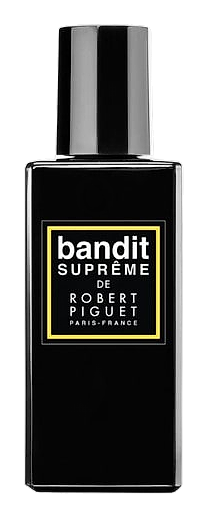
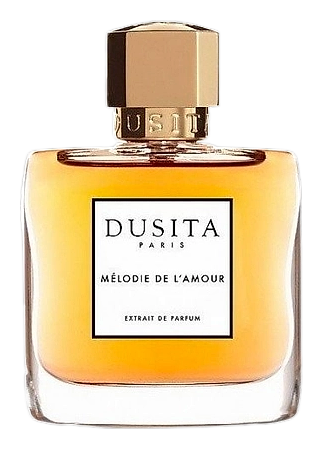
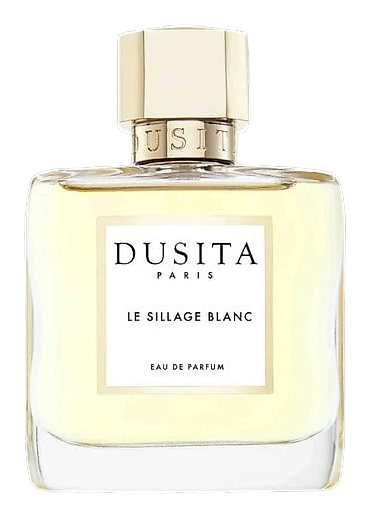
Pissara Umavijani created Le Sillage Blanc as a love letter to the green chypre tradition, specifically as a counterpoint to Bandit, the 1944 classic by Robert Piguet that defined a generation of bold, animalic fragrances. Where Bandit went dark and confrontational, Le Sillage Blanc was conceived as its luminous counterpart. The name itself is the key: sillage refers to the trail a fragrance leaves behind, the wake it cuts through a room. Blanc means white, clean, bright. A morning version of something that was previously midnight. The fragrance was released in 2017 as part of Parfums Dusita's early collection, establishing the house's approach to narrative-driven composition before the brand had even turned two years old.
What makes Le Sillage Blanc structurally unusual is the role reversal at its heart. In most green chypres, galbanum and artemisia serve as supporting players, brightening the opening before the moss and leather take over. Here, they command the composition throughout. The artemisia in particular acts less like a top note and more like a continuous thread, lending a sage-like medicinal quality that keeps the fragrance grounded in its green character even as the leather and tobacco emerge. Oakmoss provides the classic chypre backbone, but the greens refuse to step aside. It's a fragrance that knows what it wants and doesn't apologize for it.
The evolution
The first five minutes are a statement. Galbanum hits first, bitter, vegetal, the smell of crushed green stems, followed immediately by artemisia's sharp herbal note. There's an almost medicinal quality to the opening that some find bracing and others find challenging. Within twenty minutes, the leather arrives. Not the smooth, polished kind. This is warm leather, slightly animalic, wrapping around the greens like a second skin. The tobacco emerges more slowly, sweet and dusty, providing a bridge between the sharp opening and the deeper base. By the third hour, the oakmoss has fully established itself, creating that classic chypre foundation, mossy, earthy, slightly bitter. The drydown is where Le Sillage Blanc reveals its true character: patchouli and oakmoss in quiet conversation, with a subtle ambrette note that keeps the whole thing close to the skin rather than projecting outward. On most people, this lasts well into the evening. On some, it lingers into the next morning, a faint green-leather trace on a shirt collar, the ghost of something serious.
Cultural impact
Le Sillage Blanc occupies a specific niche: the green chypre for people who already know Bandit and want something in the same spirit but different register. It's not a safe introduction to the category, the artemisia and galbanum opening is too assertive for that. Instead, it attracts wearers who appreciate classic chypre structure and want a modern interpretation that doesn't soften the original's confrontational edge. The comparison to Bandit is inevitable and often mentioned, but Le Sillage Blanc has earned its own identity over time.