Indonesian ylang-ylang
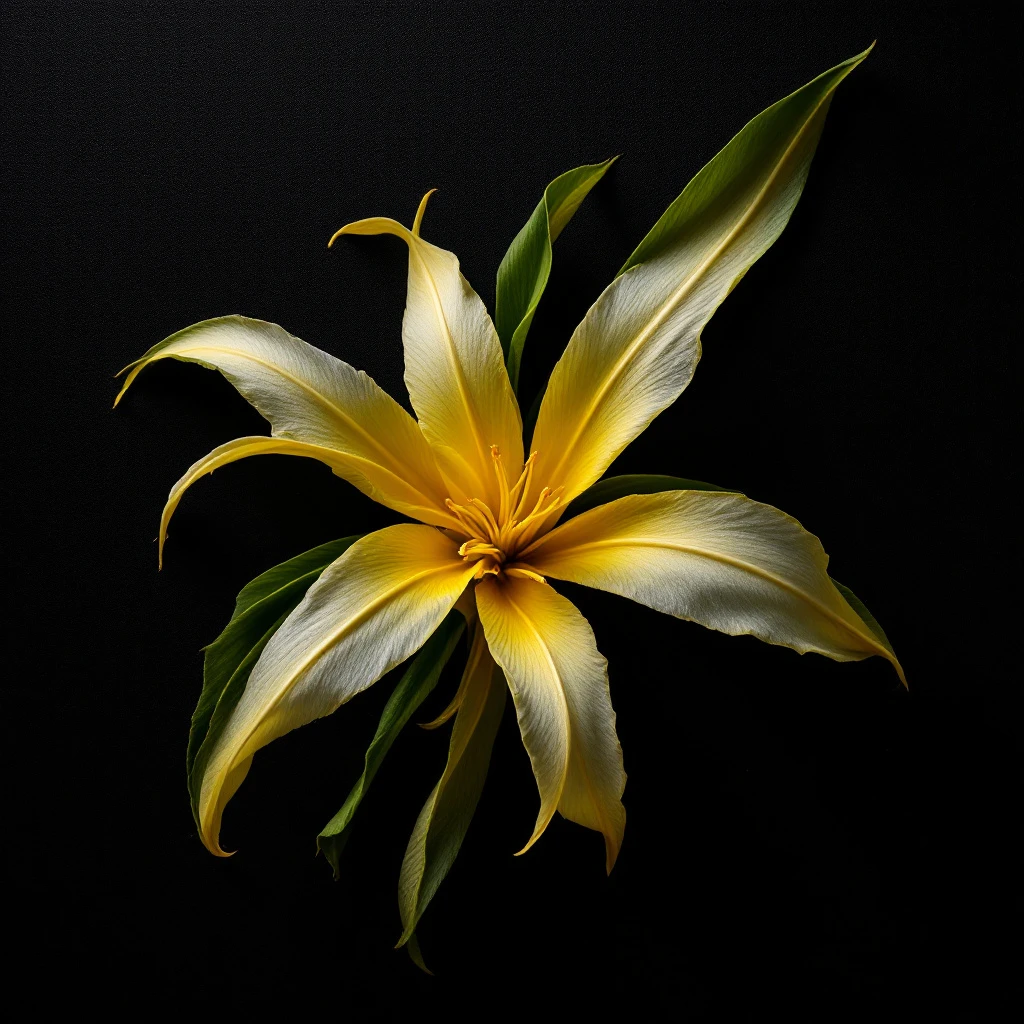
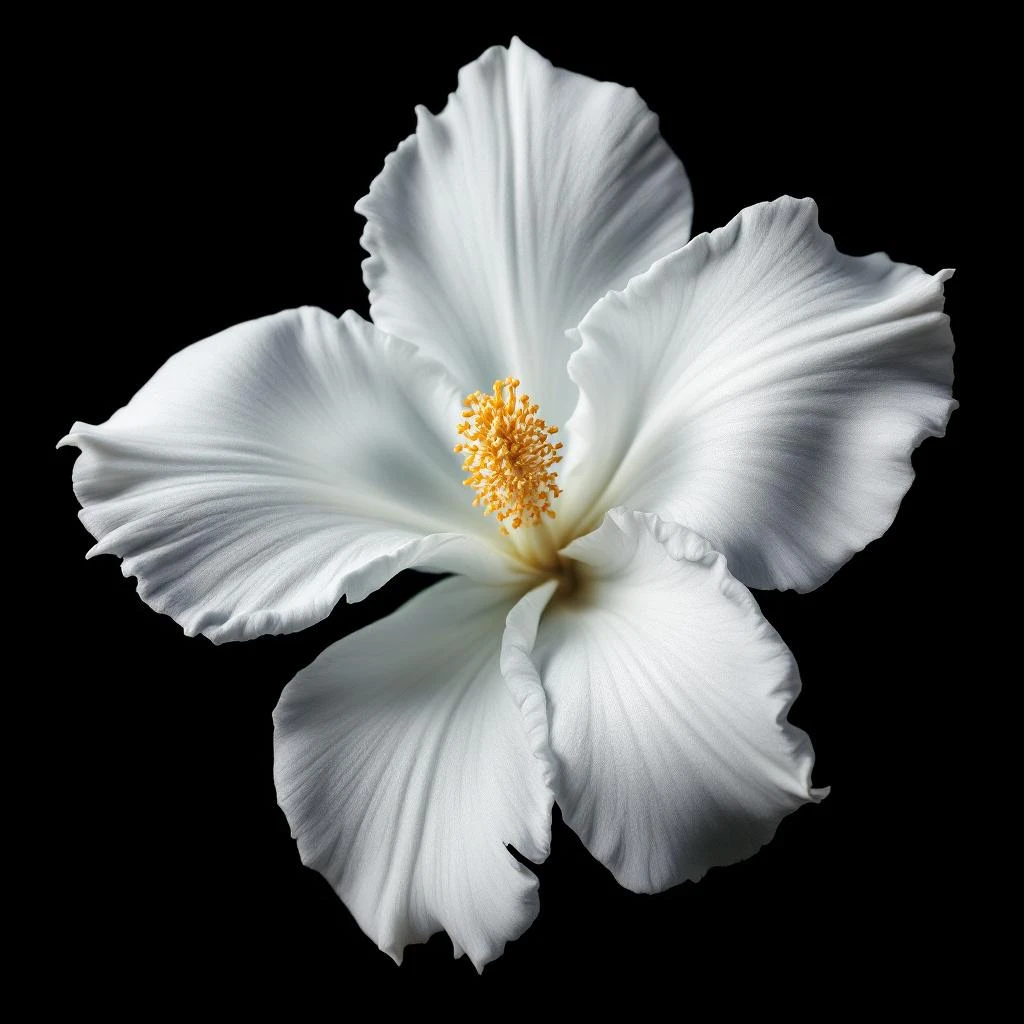
Indonesian ylang-ylang (Cananga odorata) yields one of perfumery's most treasured floral absolutes, celebrated for its rich, enveloping sweetness and creamy depth. Grown across Java, Sumatra, and the Moluccas, this tropical flower anchors iconic scents with its unmistakably sensual warmth.
Character
How it smells
Tropical sweetness distilled from the Moluccas.
Flowers are handpicked at dawn when the essential oil content peaks, a practice unchanged for generations on Indonesian plantations.




Origin
Indonesia
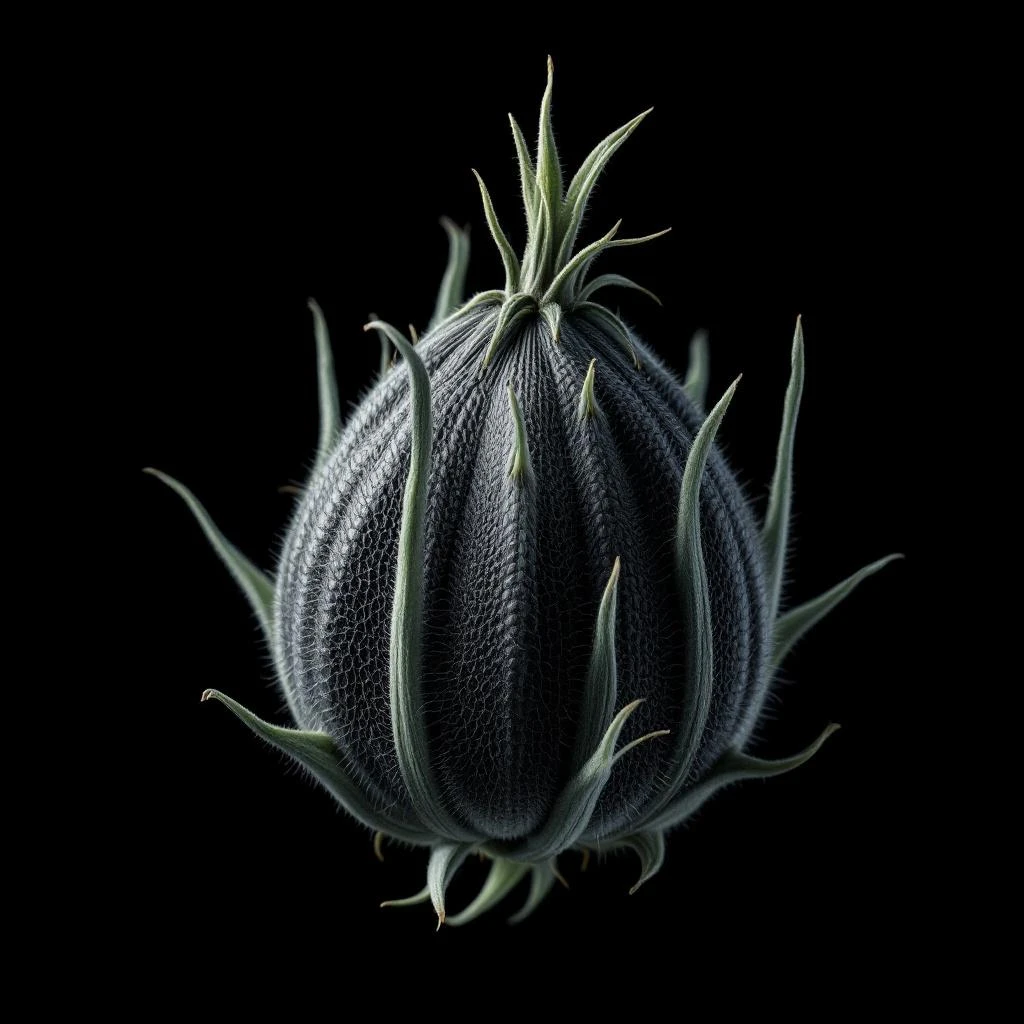
Ylang-ylang originates from the Moluccas archipelago in eastern Indonesia, where Cananga odorata has grown wild for centuries. The plant traveled from these islands to the Philippines, where the first recorded steam distillation laboratory opened in 1860, marking the beginning of commercial ylang-ylang production.
French colonial interests in Southeast Asia during the late 19th century brought the material to European perfumers, who discovered its extraordinary fixative and floral properties. By the 1870s and 1880s, French luxury perfumery had fully embraced ylang-ylang, using it both as a signature note and as a heart component in classical compositions.
Its role in Chanel No. 5 in 1921 cemented ylang-ylang's place in fragrance history as one of the defining ingredients of modern perfumery, a position it holds to this day.
Wears it best
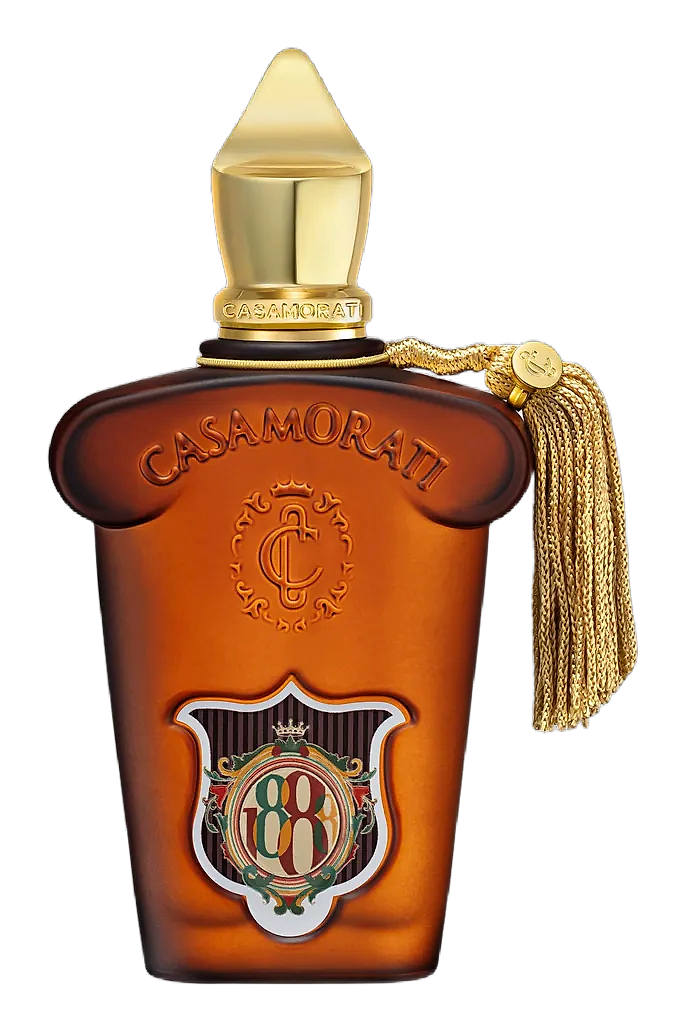
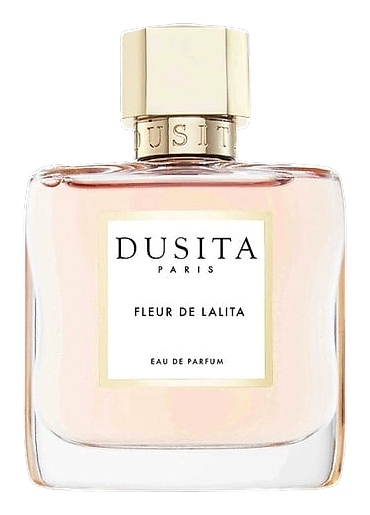
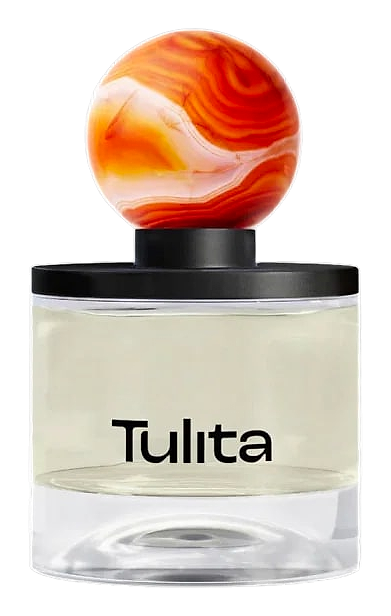
Fragrances featuring Indonesian ylang-ylang
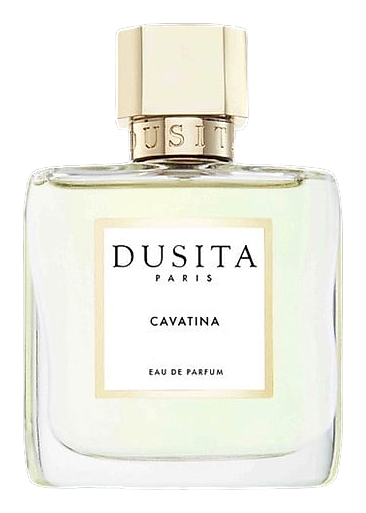
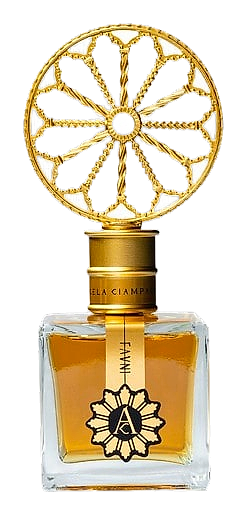
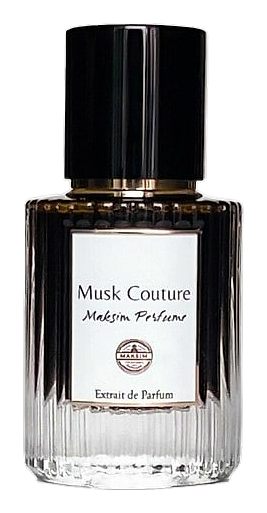
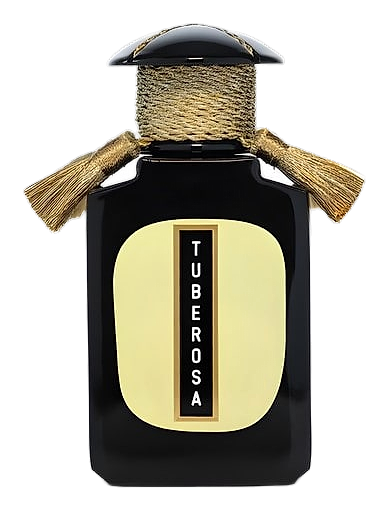
Brands
Brands known for Indonesian ylang-ylang
Good to know
Questions, answered
The essentials on Indonesian ylang-ylang in perfumery: how it smells, where it comes from, and how it behaves on skin.
What does Indonesian ylang-ylang smell like?
Indonesian ylang-ylang has a rich, sweet floral scent with creamy, slightly fruity undertones and a deep, almost narcotic warmth. It reads as intensely tropical and exotic, with a resinous base that makes it an excellent fixative in compositions.
Why is Indonesian ylang-ylang important in perfumery?
It serves as both a powerful floral heart note and a natural fixative. Chanel No. 5 famously used ylang-ylang, establishing its status as one of perfumery's most celebrated natural ingredients. Indonesian production supplies a significant portion of global fragrance manufacturing.
How many distillation grades of ylang-ylang exist?
Four primary steam distillation grades exist: Extra, First, Second, and Third. A Complete grade, capturing the entire distillation run, is also produced. Earlier fractions tend toward bright, sweet florals while later fractions add resinous depth.
What volatile compounds define ylang-ylang's scent?
Key aroma constituents include linalool, benzyl acetate, geranyl acetate, and p-cresyl methyl ether. These compounds together produce the characteristic sweet-floral, slightly rubbery warmth that makes ylang-ylang unmistakable in blends.
Does Indonesian ylang-ylang pair well with other ingredients?
It complements jasmine and rose as a floral duet, woody materials like sandalwood and cedar, and balsamic notes such as benzoin. It also harmonizes with citrus top notes, grounding brightness with its lush, tropical warmth.
What gives Indonesian ylang-ylang its quality edge?
Java's volcanic soils and consistently warm, humid climate produce flowers with high essential oil content. Combined with generations of hand-harvesting expertise, Indonesian ylang-ylang is considered among the finest in the world for fine perfumery use.
Where exactly does Indonesian ylang-ylang originate?
The botanical origin lies in the Moluccas, an island chain in eastern Indonesia. Commercial cultivation expanded across Java and Sumatra, with Java becoming the primary production region for essential oil destined for global fragrance markets.
How is ylang-ylang graded for quality assessment?
Quality assessment relies on distillation fractions and organoleptic evaluation by trained noses. Superior oil smells rich and floral without harshness, maintains sweetness throughout evaporation, and lacks rubbery or metallic off-notes. Supply chain traceability to specific Indonesian growing regions indicates consistent terroir-driven quality.