
The Story
Why it exists.
The beginning
Karine Vinchon-Spehner didn't design just another fragrance when she composed 1888. She built from warm spice: Persian saffron and carnation in the top, green pepper to keep things from going sweet too early. The heart adds Moroccan neroli and Indonesian ylang-ylang, not to soften, but to deepen. The base is where it earns its name: amber, Mysore sandalwood, patchouli. There is a weight to the composition, a sense that it was made to be examined, held up to light and appreciated. The saffron brings a honeyed, almost leathery warmth, while the carnation adds a spicy, clove-like depth that gives the opening real character. The green pepper lifts everything, preventing the spice from becoming cloying, keeping the initial impression fresh and inviting.
Carnation and saffron rarely share the top of a pyramid. Carnation brings a clove-adjacent warmth that borders on medicinal; saffron adds a metallic, almost sharp brightness. Together they create an opening that announces itself before you've sprayed, on your wrist, in the air, on someone across the room. The green pepper keeps it honest. No sweetening. The heart of ylang-ylang and neroli adds creaminess without becoming soft, neroli's bitter-floral edge lifts the composition just enough. The base is where the Italian house DNA shows: Mysore sandalwood providing a warm, slightly milky wood that patchouli grounds in earth. This isn't a minimal composition. Every layer is intentional.
The evolution
The opening arrives bold. Carnation and saffron collide with green pepper in a way that demands something from the wearer, attention, perhaps. For the first thirty minutes, it reads as warm spice with an almost medicinal edge. Not aggressive, but present. Then the ylang-ylang begins to open, and the composition softens without losing its structure. The neroli adds a bitter-floral quality that keeps the heart from becoming simply sweet. By hour three, the amber emerges, adding warmth that settles into the skin. The sandalwood follows, creamy and close. The patchouli adds an earthy depth that prevents the drydown from becoming purely linear. The amber works as a bridge between the spicy florals and the woody base, gradually revealing the sandalwood's creamy character as the composition moves forward.
Cultural impact
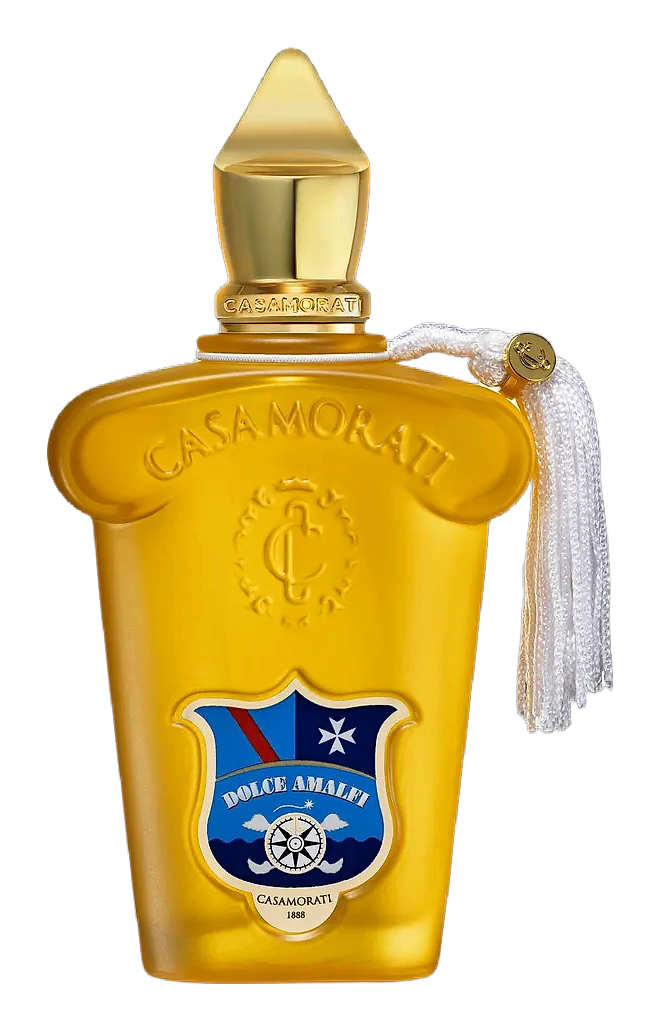
1888 occupies a specific position in the Casamorati collection, a numbered fragrance that suggests something closer to a carefully considered archive piece than a conventional release. The warm spiced florals over a woody oriental base make it suited to cooler months and evening wear, when the amber and sandalwood come forward. Among those who've worn it, the consensus leans toward a fragrance that rewards patience, both in its development and in its character. The carnation-saffron combination brings a particular richness that many find distinctive, a combination that creates an impression rather than simply delivering familiar notes.