Bell Pepper
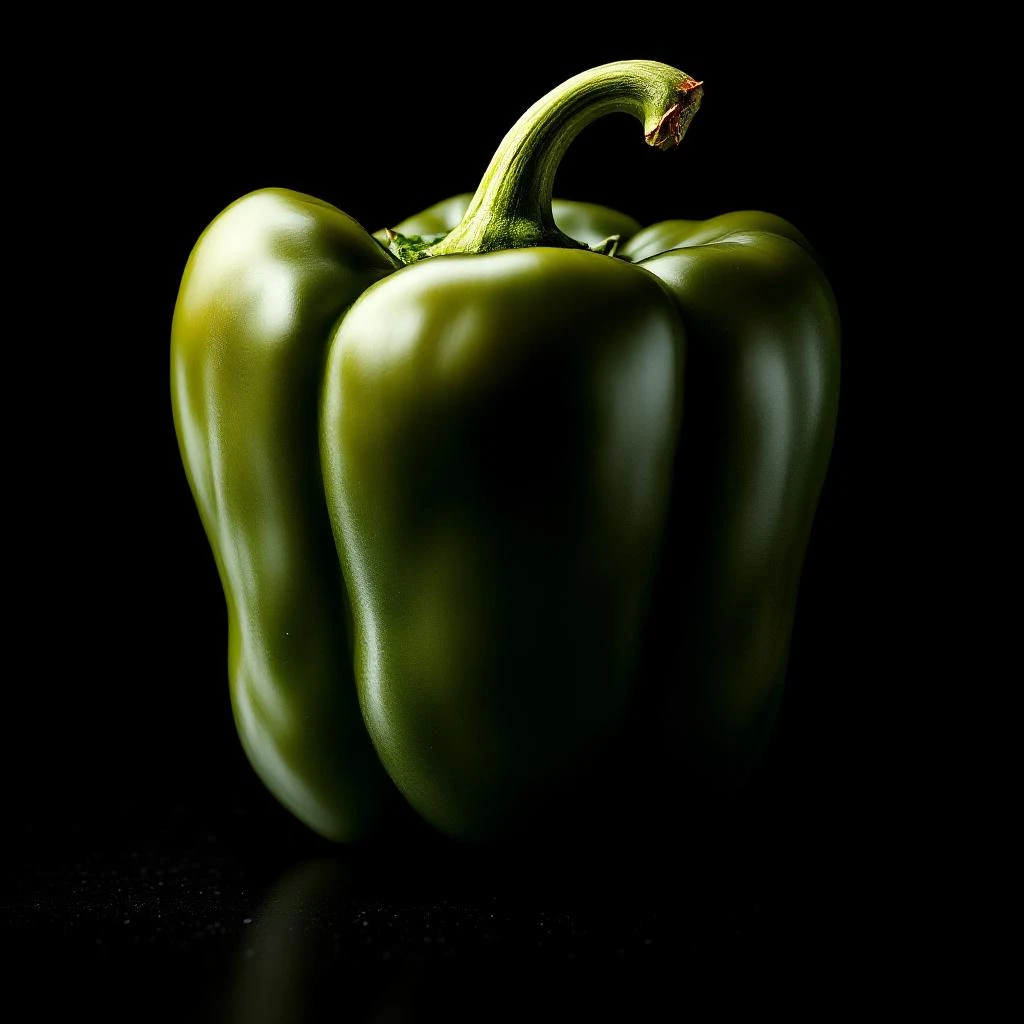
A crisp, vegetal green note with an unexpected savory edge. Bell pepper brings a watery crunch to compositions, capturing the bright, slightly bitter snap of the fresh fruit before it ripens to sweetness.
Character
How it smells
Green, crisp, and quietly subversive
The aromatic character of bell pepper comes from pyrazines, the same class of molecules responsible for the scent of raw potatoes and peas.









Origin
Mexico
Bell pepper, Capsicum annuum, traces back thousands of years to Central and South America, where indigenous communities in Mexico and Peru cultivated distinct varieties by around 6000 BCE. Spanish and Portuguese explorers carried seeds to Europe in the late 15th and 16th centuries, where the plants spread rapidly across the Mediterranean and into Africa and Asia.
Despite this long culinary history, bell pepper's entry into perfumery is comparatively recent. The identification of pyrazines as key aroma compounds in the 1960s and 1970s opened the door to isolating and synthesizing the molecules responsible for the fruit's distinctive green character.
By the 1990s, perfumers began incorporating these pyrazines to add vegetal brightness to green and aromatic compositions. The note remains niche but valued for its ability to introduce an unexpected savory freshness that reads as modern and food-adjacent.
Wears it best
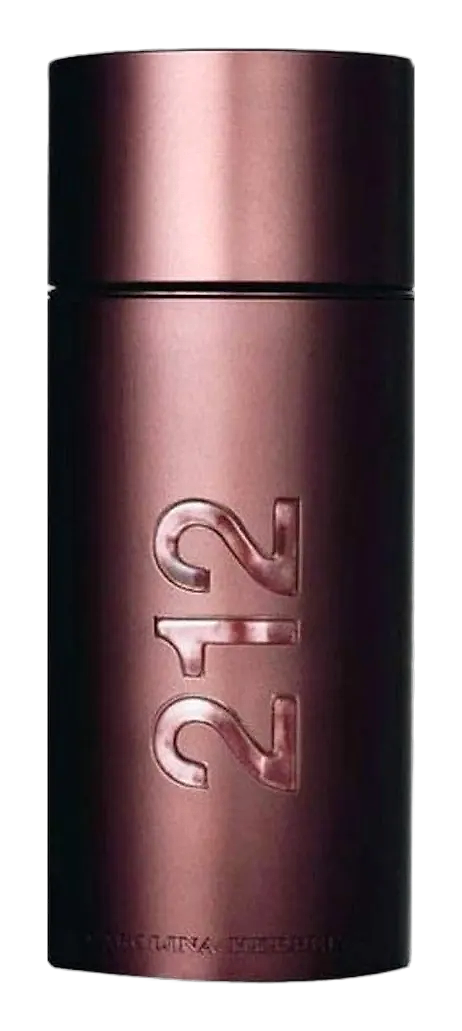
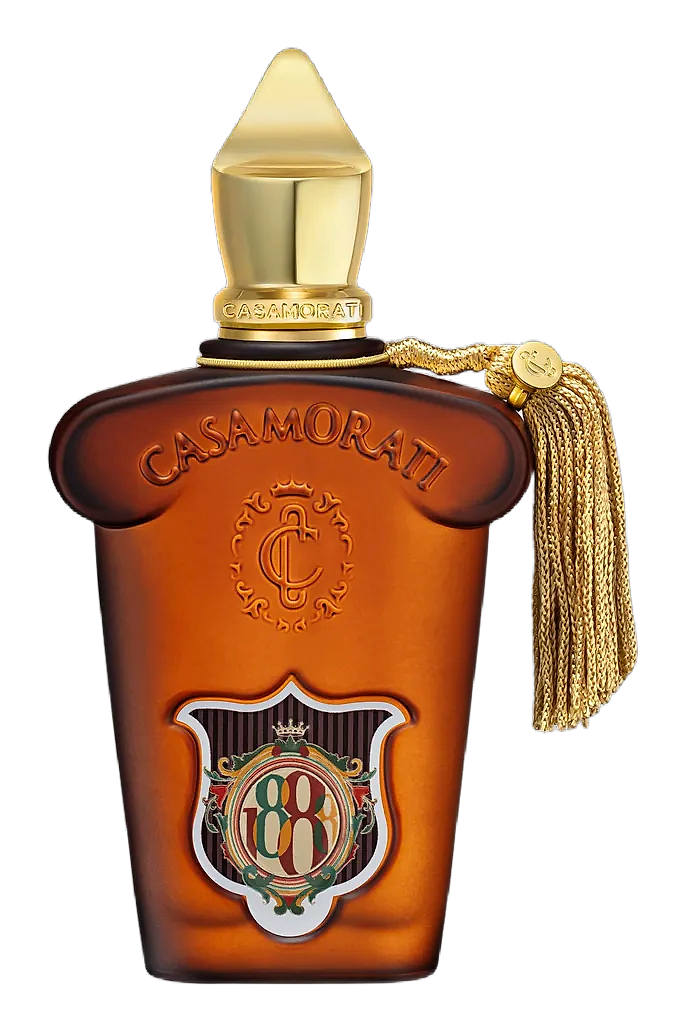
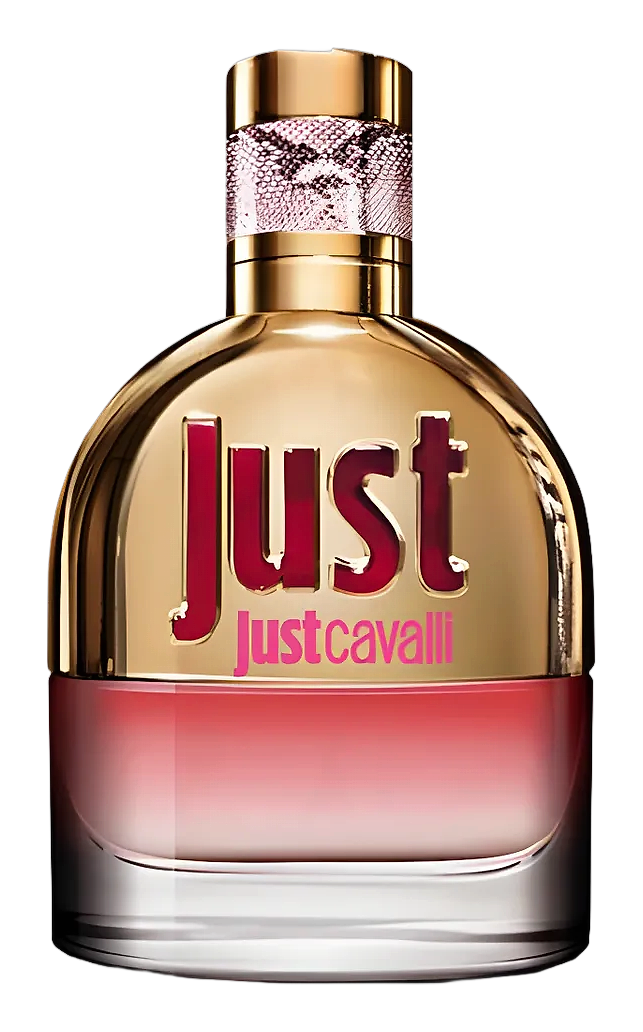
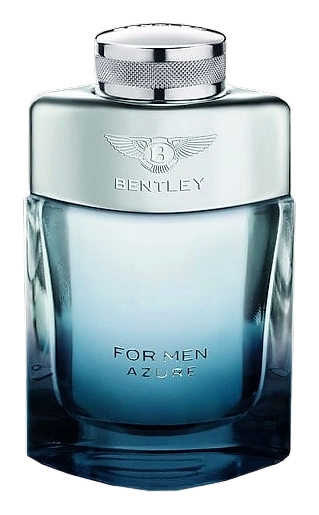
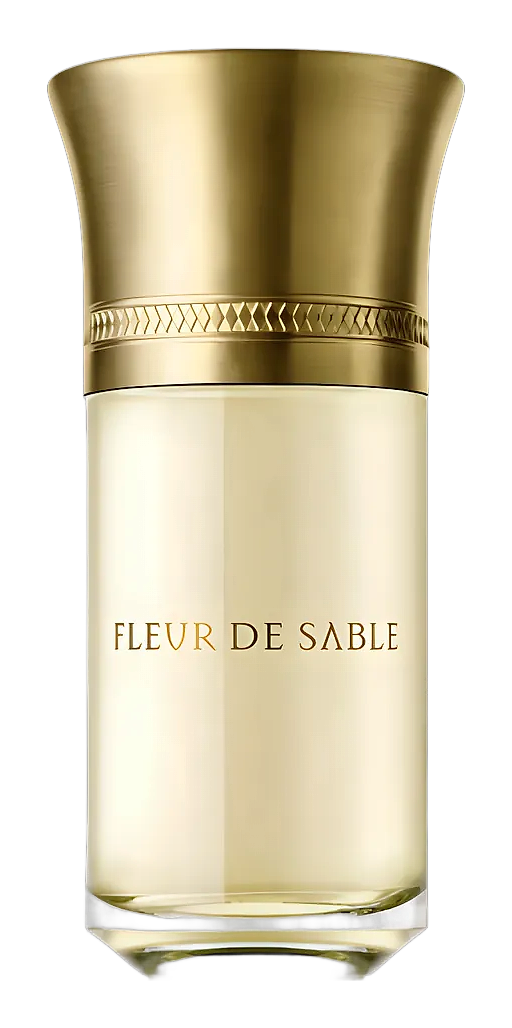
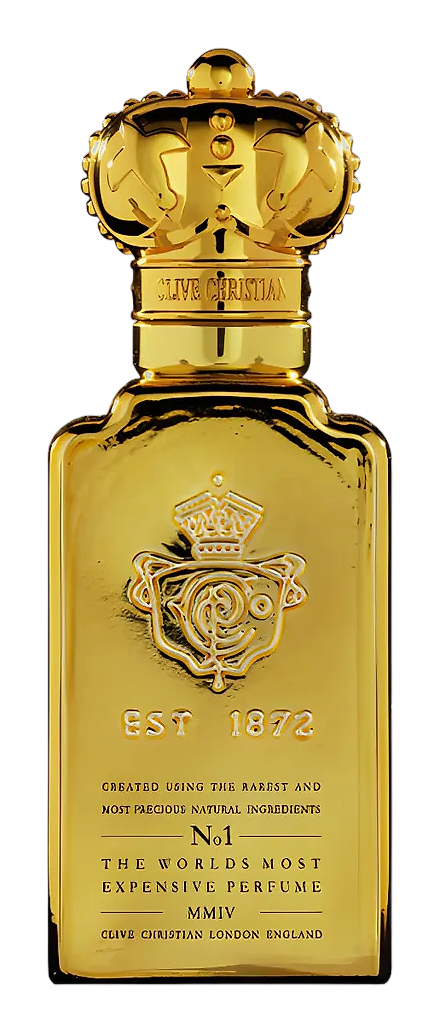
Fragrances featuring Bell Pepper

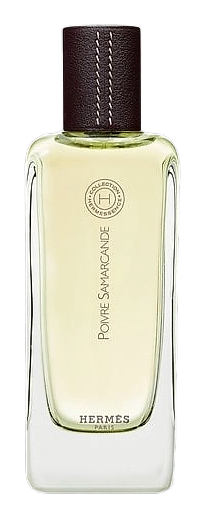
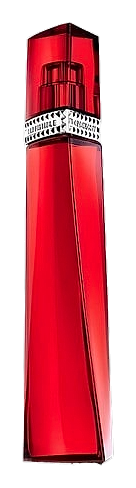
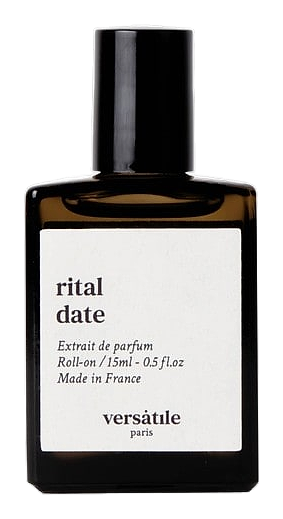
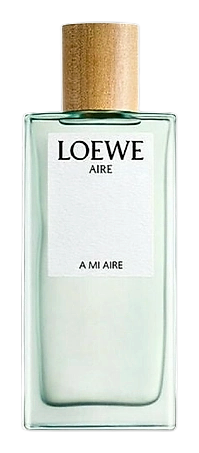
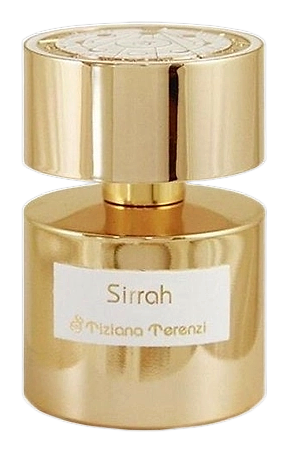
Brands
Brands known for Bell Pepper
Good to know
Questions, answered
The essentials on Bell Pepper in perfumery: how it smells, where it comes from, and how it behaves on skin.
What does bell pepper smell like in perfume?
Bell pepper in perfume smells green, watery, and slightly bitter with a crisp vegetal snap. The effect comes from pyrazine molecules, the same compounds that give raw potatoes and green peas their characteristic aroma.
Is bell pepper note natural or synthetic?
Bell pepper note is almost always synthetic in modern perfumery. The responsible pyrazine compounds occur in the fresh fruit at concentrations as low as two parts per billion, making natural extraction commercially impractical.
Where does bell pepper originate?
Bell pepper (Capsicum annuum) originated in Central and South America, where indigenous peoples in Mexico and Peru cultivated it by around 6000 BCE. Spanish explorers brought it to Europe in the late 15th century.
Which fragrance families use bell pepper?
Bell pepper appears most often in green, aromatic, and fruity compositions where its vegetal freshness adds an unexpected savory dimension. It also works in unisex and modern gourmand structures seeking a contemporary edge.
What molecules create the bell pepper scent?
The scent is driven primarily by 2-isobutyl-3-methoxypyrazine and 3-isobutyl-2-methoxypyrazine. These pyrazines have an extremely low odor threshold, meaning trace amounts produce a pronounced aromatic effect.
Does bell pepper smell spicy?
No. Unlike chili peppers from the same species, bell pepper contains virtually no capsaicin. Its aromatic profile reads as green and vegetal rather than hot or pungent.
Can you extract essential oil from bell pepper?
Steam distillation of fresh bell pepper yields negligible fragrance oil. CO2 and solvent extraction are possible but rare and expensive, which is why synthetic pyrazine reconstruction dominates commercial perfumery.
What notes pair well with bell pepper?
Bell pepper pairs naturally with other green notes like galbanum and tomato leaf, as well as citrus accents and white florals. The combination creates compositions that feel crisp, contemporary, and garden-fresh.