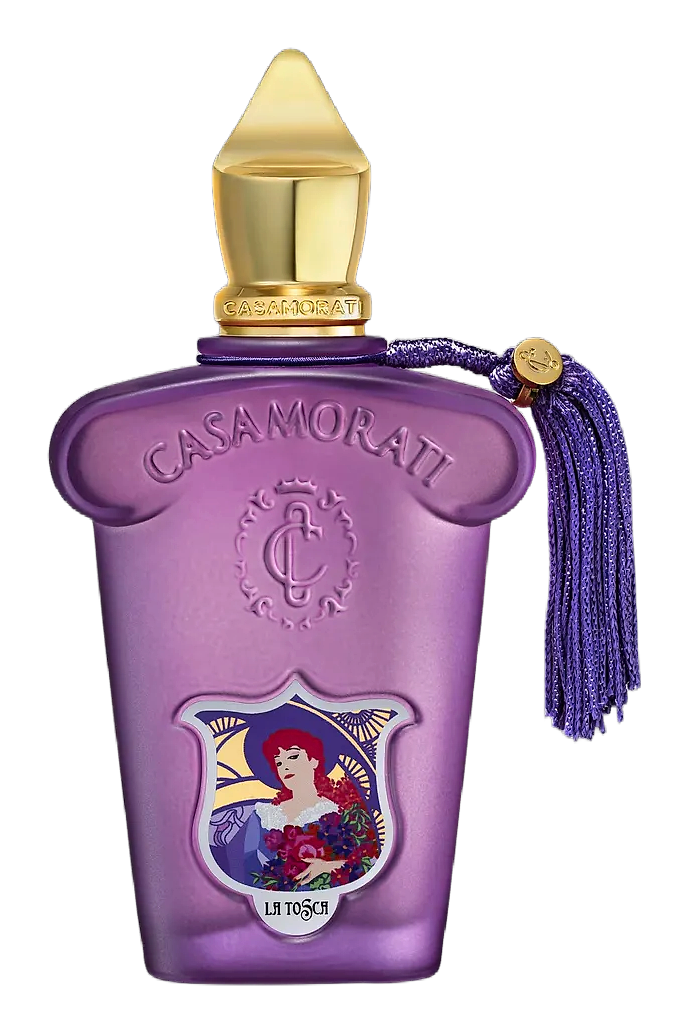
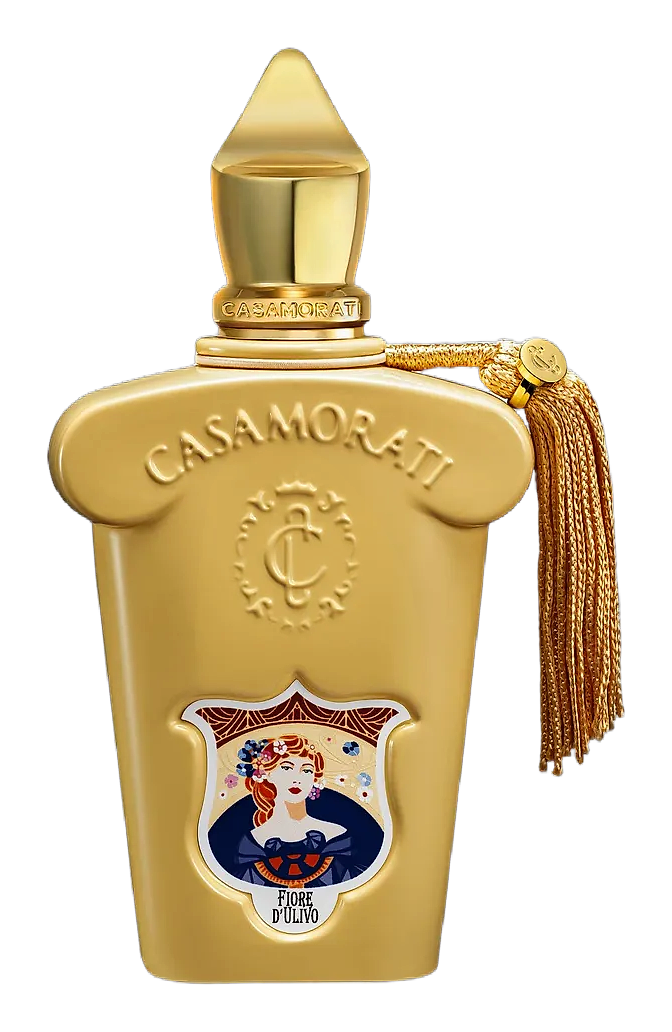
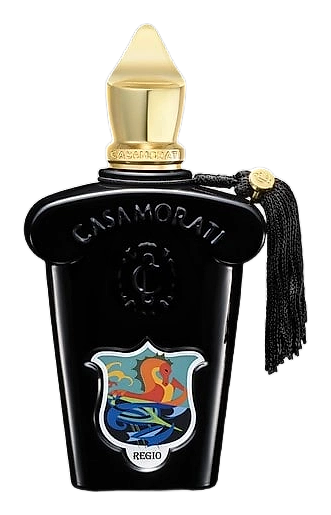
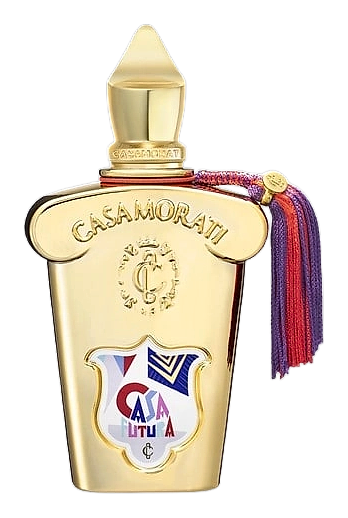
The Heritage
The Story of Casamorati 1888
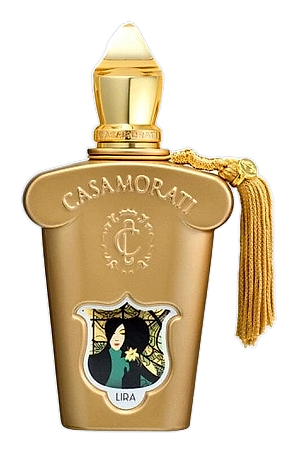
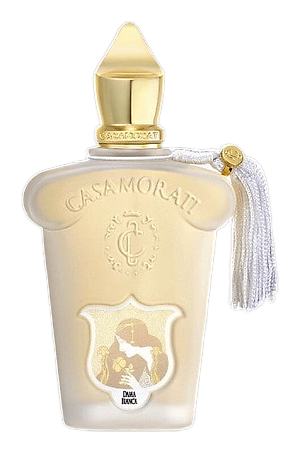
Casamorati traces its roots to 19th-century Bologna, where Claudio Casamorati established his perfume factory and registered the iconic double-C trademark on 17 April 1888. The house gained international recognition for its scented soaps and fine fragrances before disappearing from the market for over six decades. Xerjoff acquired the rights in 2009, reviving the collection under the direction of founder Sergio Momo. The brand draws inspiration from Art Nouveau aesthetics and the golden age of Italian perfumery, presenting fragrances that evoke a classical, oriental sensibility through warm spices, florals, and precious woods. Each scent carries the visual identity of the original house, with flacons and insignia preserved from the 1888 foundation. Notable releases include Lira (2011), a gourmand composition built around vanilla and caramel, and Dama Bianca (2012), a white floral with kumquat and vanilla. The brand maintains a curated collection that spans aromatic, oriental, and floral olfactory directions, reflecting its commitment to historical Italian craft.
Heritage
The story of Casamorati begins in Bologna, where Claudio Casamorati founded the C. Casamorati Perfume Factory in the late 19th century. On 17 April 1888, he formally registered the double-C logo that would distinguish his soaps and perfumes for decades to come. The house quickly established a reputation for refined scented goods, attracting patrons across Europe. Among those drawn to the brand was Queen Margaret of Savoy, the first queen of Italy and a prominent figure of the era, who met Casamorati during the Grande Esposizione Emiliano held in Bologna in 1888. The house continued to thrive into the early 20th century, producing perfumes and luxury bath products that circulated internationally. However, financial difficulties befell the company around the mid-1900s, leading to a closure that would silence the brand for over 60 years. Casamorati fragrances vanished from circulation, surviving only as a footnote in Italian perfumery history. In 2009, Sergio Momo, founder of the Xerjoff Group, acquired the rights to the name and archives. Rather than simply relaunching the brand, he undertook a restoration: the original flacon designs and the historic double-C emblem were preserved and reproduced. Modern Casamorati perfumes carry the same visual language as their predecessors, reconnecting the house to its Art Nouveau roots and the ornamental traditions of late 19th-century Italian craftsmanship.
Craftsmanship
Casamorati compositions are constructed around high-quality natural materials sourced from established growing regions around the world. The house specifies origins for its key ingredients: Iranian saffron, Grasse rose, Moroccan neroli, Indonesian ylang-ylang, Mysore sandalwood, Russian birch, and hand-picked kumquat from Italian groves. This geographic specificity reflects a commitment to traceable sourcing practices that align with classical perfumery traditions. The brand employs co-distillation, an extraction method with roots at the very beginning of perfumery history. In co-distillation, two essential oils undergo simultaneous extraction at different boiling points, producing an aromatic material with a complexity that standard distillation methods cannot replicate. The olfactory character of the collection leans toward warmth and sensuality, built on substantial base structures of sandalwood, patchouli, amber, and vanilla. Floral hearts incorporating rose, ylang-ylang, jasmine, and neroli provide contrast and brightness against these deeper foundations. The resulting compositions are described as smooth and cohesive, with no harsh or jarring transitions between notes. The craftsmanship approach prioritises balance and longevity, creating fragrances that evolve on the skin over several hours rather than presenting all facets at once. This measured, artisanal approach to construction aligns with the brand's broader dedication to preserving techniques that defined Italian perfumery before industrialisation.
Design Language
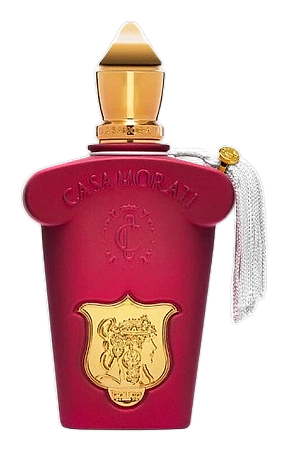
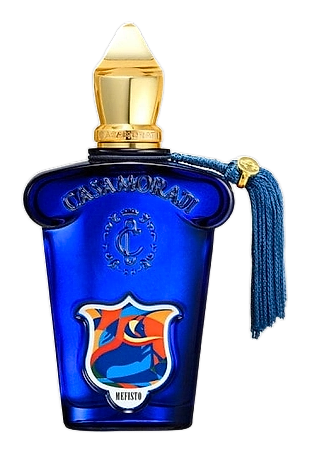
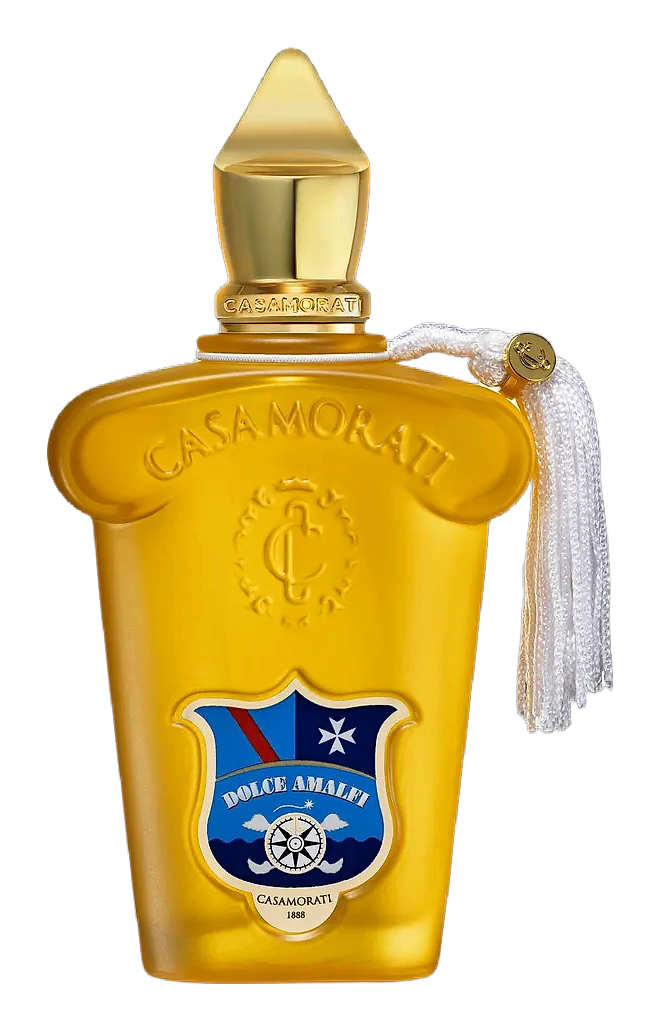
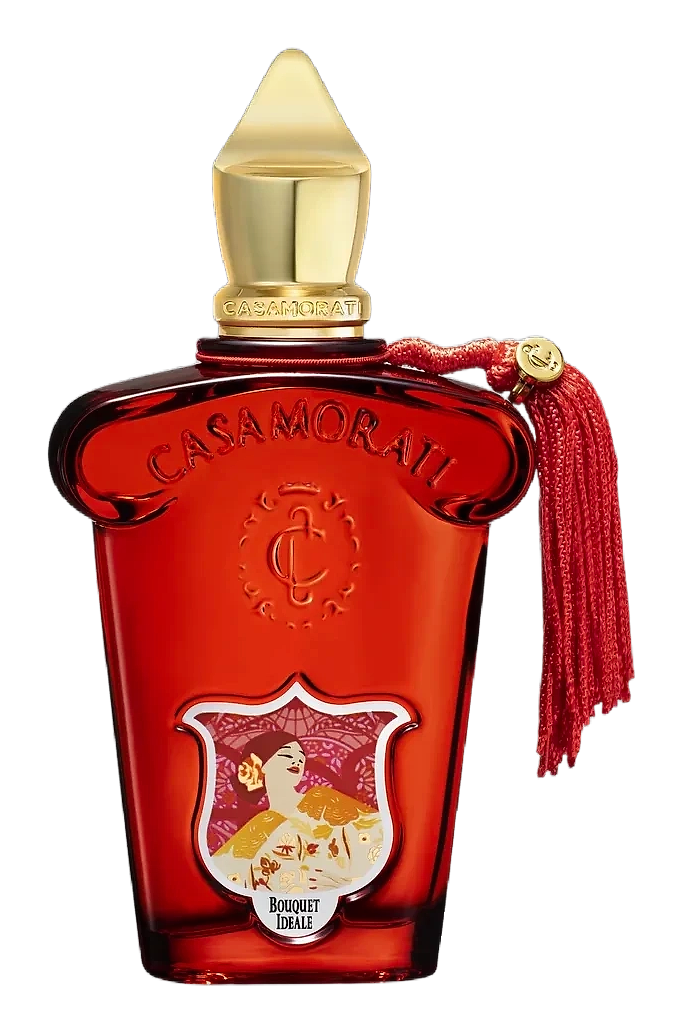
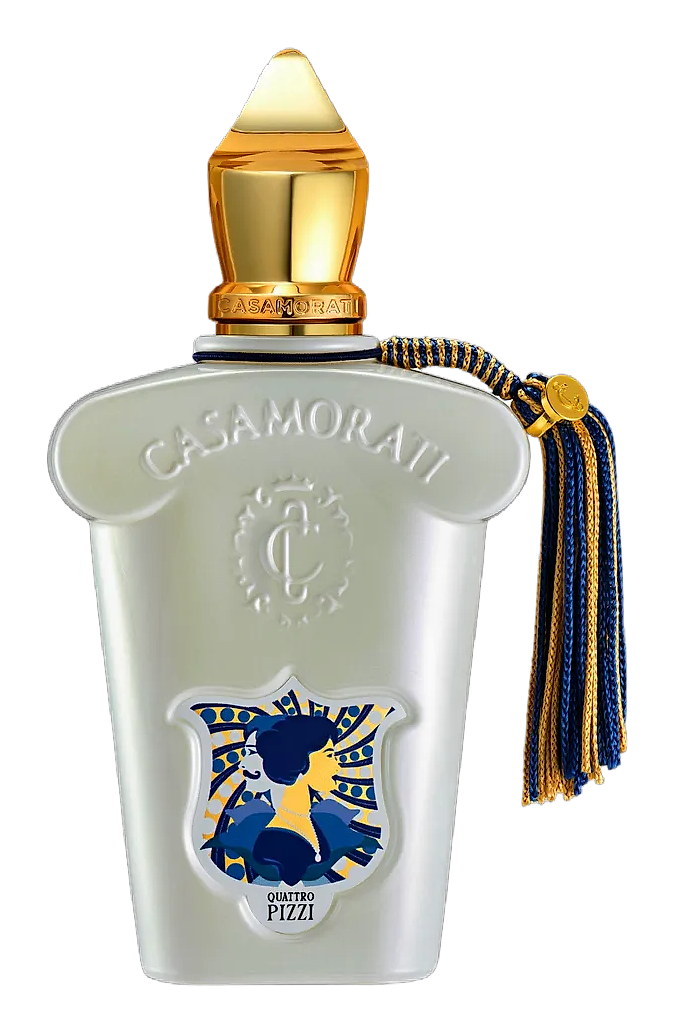
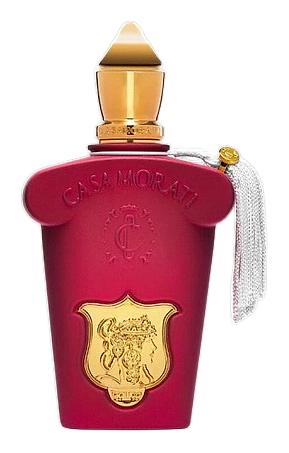
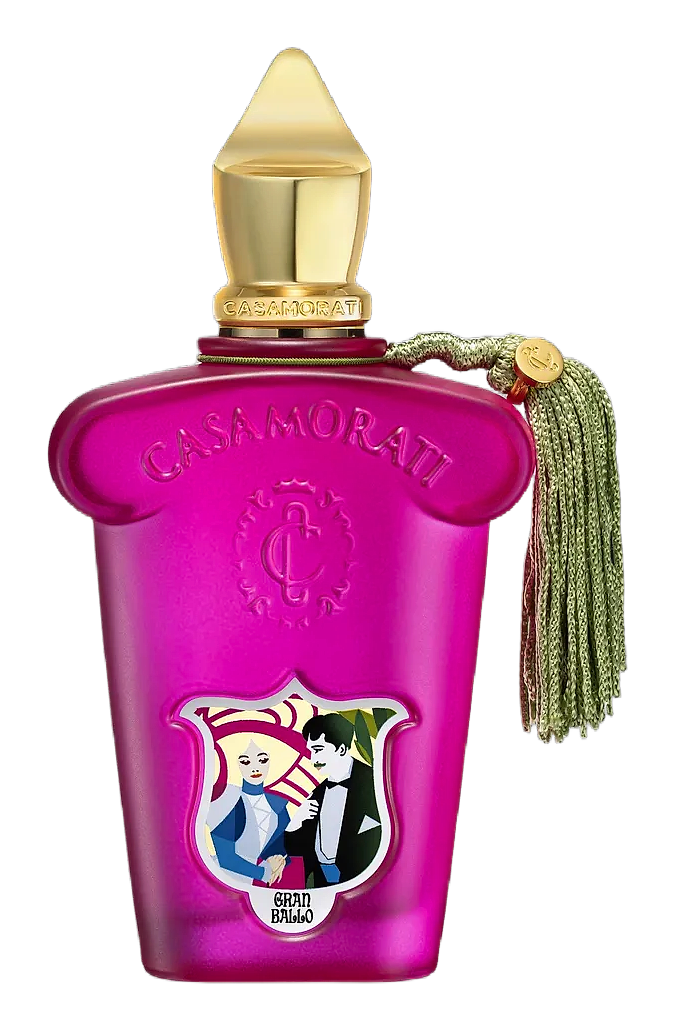
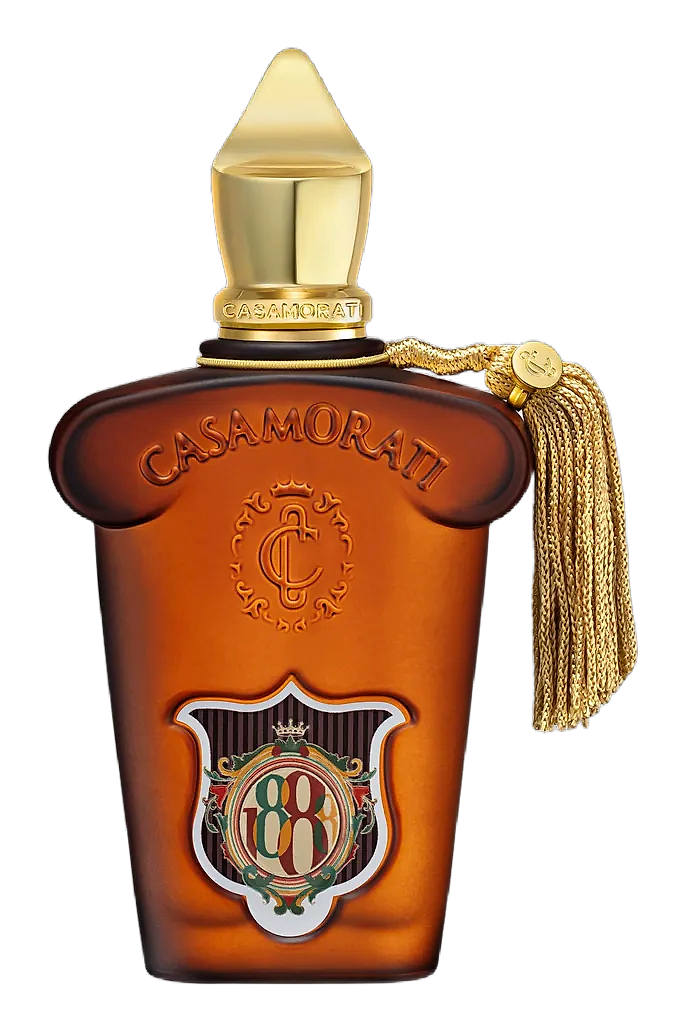
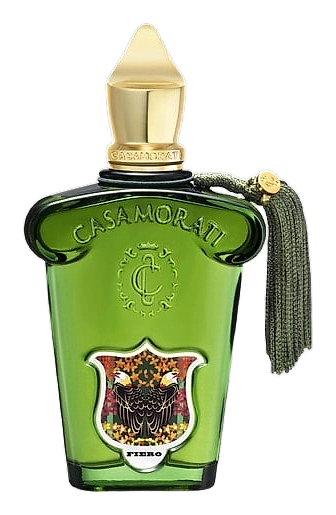
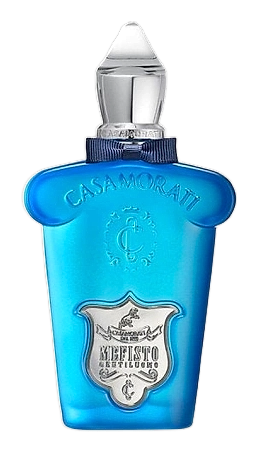
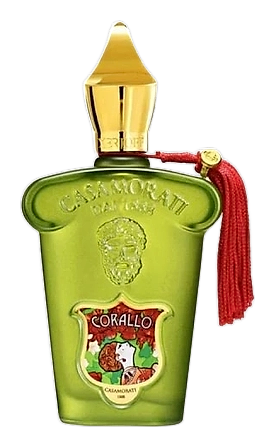
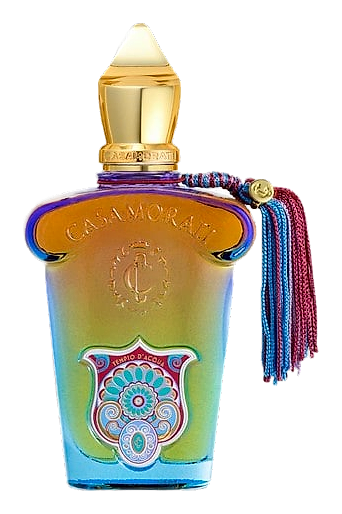
The visual identity of Casamorati is inseparable from its founding year. The double-C interlocking logo, registered on 17 April 1888, remains the house's primary mark and appears across all packaging, advertising, and retail environments. The vintage Casamorati collection by Xerjoff presents its perfumes in glass flacons that echo the designs of the original house, incorporating the ornate detailing and decorative sensibility characteristic of Art Nouveau. The 1888 fragrance, for instance, arrives in a striking amber-toned bottle whose colour one reviewer described as stunning. This commitment to period-accurate presentation extends across the range: Lira, Mefisto, Dama Bianca, and other releases share a coherent visual language built around Art Nouveau ornamentation, soft curves, and vintage typography. The packaging employs materials and finishes that suggest heritage rather than modernity, reinforcing the brand's positioning as a keeper of Italian fragrance history. Retail environments and digital presentation carry this aesthetic forward, using the 1888 origin as a stylistic anchor. The overall visual identity communicates permanence and cultural depth, positioning the brand within the tradition of Italian artisanal goods rather than within fast-moving fragrance trends.
Philosophy
The guiding principle behind Casamorati is the safeguarding of Italian perfumery heritage. Xerjoff revived the house not as a modern reinterpretation but as a living archive, preserving the artistic and olfactory identity that Claudio Casamorati defined in Bologna over a century ago. The philosophy centres on authenticity: each fragrance references the spirit of an era when perfumery was understood as both an art and a commercial craft. The Art Nouveau movement, with its embrace of ornamental detail and natural form, provides the aesthetic framework for the collection. Rather than chasing contemporary trends, Casamorati compositions draw from classical perfumery structures, favouring warmth, depth, and temporal longevity. The brand presents fragrance as a form of cultural memory, inviting wearers into a world of Italian elegance that existed before mass production homogenised the craft. This commitment extends beyond scent to encompass the entire sensory experience: packaging, naming conventions, and visual presentation all reference the glamorous era the house wishes to honour. The result is a collection that functions as a bridge between historical Italian artistry and contemporary fragrance culture, grounded in specificity rather than vague nostalgia.
Key Milestones
1888
Claudio Casamorati files the trademark for the double-C logo in Bologna and presents his perfumes at the Grande Esposizione Emiliano, where he meets Queen Margaret of Savoy.
Early 20th century
The house continues to produce fine fragrances and scented bath soaps, gaining international reach.
Mid-1900s
Financial difficulties lead to the closure of the original Casamorati factory. The brand disappears from the market for over six decades.
2009
Sergio Momo, founder of Xerjoff Group, acquires the rights to Casamorati and begins reviving the house, preserving the original flacon designs and historic logo.
2011
Lira launches, becoming one of the most discussed Casamorati fragrances with its gourmand composition of vanilla, caramel, and spice.
2025
Casamorati releases the Harrods Edition, continuing the house's tradition of exclusive, heritage-inspired compositions.
At a Glance
Brand profile snapshot
Origin
Italy
Founded
1888
Heritage
138
Years active
Collection
4
Fragrances released
Avg Rating
4.1
Community sentiment
Release Rhythm


