The Story
Why it exists.
The beginning
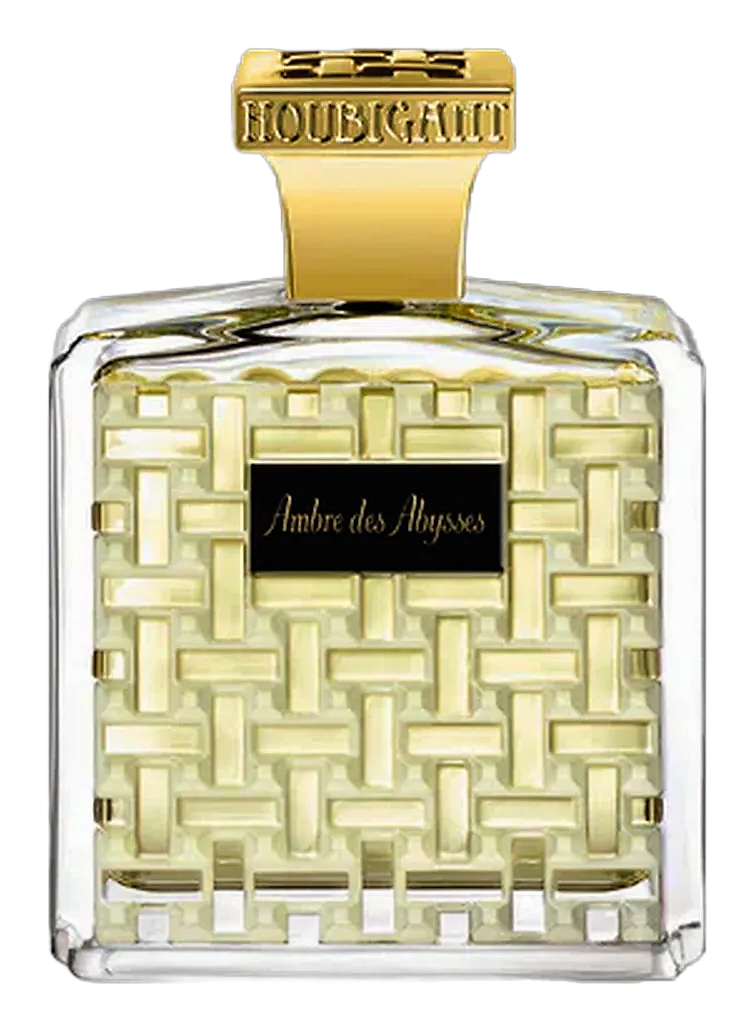
Houbigant, founded in Paris in 1775, has dressed royalty and written chapters in fragrance history. Ambre des Abysses continues that tradition, but with modern intent. The name promises something ancient, amber pulled from the deep, yet perfumers Antoine Lie and Luca Maffei built this around a paradox, the idea that real depth lies beneath surface impressions. They chose ingredients that reflect both clarity and obscurity, freshness and darkness.
Lie and Maffei structured Ambre des Abysses around contrast. The opening uses Mint and Orange Blossom to suggest something lighter than the name implies, while the heart and base, Patchouli, Amber, Leather, reveal the true character. Each layer exists to surprise. The fragrance asks you to wait, to let the surface give way to what lies beneath.
The evolution
The fragrance begins with Mint cutting through the initial impression, not what one expects from a house with centuries of history. Bergamot adds brightness, Orange Blossom adds softness. Within minutes, the heart takes over, Patchouli and Amber asserting themselves with presence. Geranium and Jasmine bloom quietly, Rosemary adding an unexpected herbal edge. The drydown reveals why Houbigant chose this name: Tonka Bean and Vanilla warm the composition, Oakmoss adds earth, and Leather anchors everything, a quiet reminder that depth requires foundation.
Cultural impact
Houbigant, founded in 1775, holds the title of France's oldest continuously operating perfume house, surviving revolutions, world wars, and shifting tastes across more than two centuries. Ambre des Abysses enters the Collection Orientale line in 2023, representing the house's modern interpretation of oriental perfumery, a category rooted in warmth, sensuality, and depth. The fragrance arrives during a revival of classic perfumery structures, where houses like Guerlain, Givenchy, and Chanel reissue heritage formulations alongside new creations.