The Story
Why it exists.
The beginning
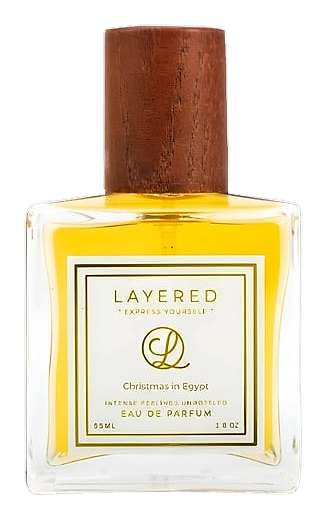
The name is the concept. Christmas reimagined through an Egyptian lens, not fir needles and cold air, but warm nights, exotic florals, the scent of a spice market at dusk. Be Layered built their catalog on names that tell stories, and Christmas In Egypt is among the more evocative: a collision of two worlds that shouldn't work together, until they do. Egyptian tuberose sits at the center, not a delicate garden flower, but something heady and complex, the kind of white bloom that perfumes an entire courtyard after dark. Paired with praline, it becomes something unexpected: festive, yes, but also warm and strange and entirely its own.
What makes this composition work is the tension between richness and restraint. Tuberose alone can be overwhelming, too much garden, too much sunscreen, too much of everything. Here, pink pepper tames it. The spice doesn't fight the floral; it adds structure, a framework that keeps the sweetness from becoming syrupy. Cedar anchors the base, bringing woody warmth that rounds everything out. It's gourmand without being cloying, floral without being precious. The praline note is doing real work, it adds a nutty sweetness that bridges the gap between the exotic florals and the warm woody base. This is the kind of layering that makes a fragrance feel intentional rather than accidental.
The evolution
It opens bold. The Egyptian tuberose announces itself immediately, creamy, intense, almost indolic in the first minutes. This is not a quiet entrance. Pink pepper follows, softening the blow just enough to keep it wearable. Within twenty minutes, the praline arrives, sweet and warm, and suddenly the whole composition feels cozier. The exotic florals weave through, adding complexity without stealing focus. By the second hour, the cedar takes over, pulling everything warm and close to the skin. The drydown is intimate, this is not a room-filler in its final act. It's the scent that lingers on a scarf, on skin you've forgotten to wash, on the pillowcase of someone who wore it to bed.
Cultural impact
Egyptian perfumery traditions stretch back thousands of years, with ancient Egyptians pioneering the use of aromatic resins and florals in religious ceremonies and daily life. The tuberose holds particular significance in Egyptian gardens, prized for its intoxicating evening fragrance and symbolic associations with purity and celebration. Christmas in Egypt represents a unique cultural fusion, where Coptic Orthodox traditions blend with Western festivities against the backdrop of ancient monuments and warm desert nights. This fragrance captures that duality: the exotic allure of Egyptian florals meets the sweetness of holiday treats like praline.