The Story
Why it exists.
The beginning
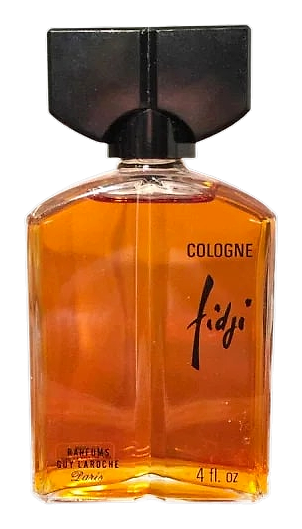
Fidji takes its name from the islands in the southern Pacific, and the story is exactly what you'd hope. The managers of the Guy Laroche house were on vacation there when the idea for the house's first fragrance took hold. Josephine Catapano composed it in 1966, translating that sense of distance and escape into scent. The brief was simple: capture the feeling of being somewhere far away, somewhere warm and green and alive. What emerged was a fragrance that could carry that feeling off the islands and into the world.
The note structure is where Fidji earns its name. Galbanum and hyacinth open with a green intensity that reads almost mineral, the smell of humid air before rain. Bergamot and lemon lift the start, keeping it bright. Then the heart deepens: iris and Bulgarian rose bring powdery elegance, while ylang-ylang and jasmine add a rich white floral warmth. Cloves and orris root add a spicy, slightly medicinal complexity that keeps the heart from being merely pretty. The base, oakmoss, sandalwood, patchouli, and musk, grounds everything in a woody, slightly earthy register that stays close to the skin for hours. It's a complete journey, from sharp green opening to warm, intimate drydown.
The evolution
The galbanum arrives first, that's the announcement. Within seconds, hyacinth and bergamot join, the aldehydes adding a effervescent sparkle that lifts the whole opening like light through water. This phase reads clean, almost soapy, with a green intensity that doesn't apologize for itself. The heart takes over around the 15-minute mark. Iris and rose emerge first, powdery and precise, then the ylang-ylang blooms warmer, richer. The cloves show themselves as a subtle spiced undertone, not heat, but depth. By the hour, the base has arrived. Oakmoss and sandalwood dominate now, with patchouli adding an earthy, slightly bitter counterpoint. The musk threads through everything, keeping the drydown intimate rather than projecting. On most skin, this lasts into the evening. On fabric, it lingers until the next wash, quiet, persistent, impossible to forget.
Cultural impact
Fidji arrived in 1966 as Guy Laroche's first fragrance, and it arrived already knowing what it was. The green chypre structure, sharp galbanum opening, powdery floral heart, woody mossy base, felt distinctive then and still reads as singular now. It's the kind of fragrance that people either know intimately or discover later and wonder how they missed it for so long. The island name and the story behind it add a layer of escapism that matches the scent's actual character: green, warm, distant, and alive.