Persian musk
Persian musk carries centuries of sensory history from ancient Mesopotamia to modern perfumery, where it once commanded the attention of emperors and continues to shape how we experience warmth and sensuality in fragrance today.
Character
How it smells
Ancient warmth, enduring seduction.
The word 'musk' traces to Sanskrit muskas, meaning 'testicle', describing the anatomy of the musk deer that first produced this coveted scent.




Origin
Iran
Mesopotamia, the cradle of civilization in modern-day Iraq, represents the earliest documented home of musk appreciation around 3000 BCE. Persian merchants later became essential conduits in the musk trade, connecting the Himalayan habitats of musk deer to the luxury markets of Rome, Greece, and Egypt.
Ancient Persians prized musk for its intensity and staying power, incorporating it into royal cosmetics, ceremonial oils, and sacred rituals. The Sassanid Empire, ruling Persia from the 3rd to 7th centuries CE, elevated musk to a symbol of power, with historical texts describing it as a gift reserved for nobility.
When Arab traders later spread Islamic civilization across the Middle East and into Spain, musk accompanied them, influencing perfume traditions from Cordoba to Constantinople. European demand eventually depleted wild musk deer populations, prompting the 19th-century shift toward synthetic alternatives that preserved the scent profile while making it accessible.
Wears it best
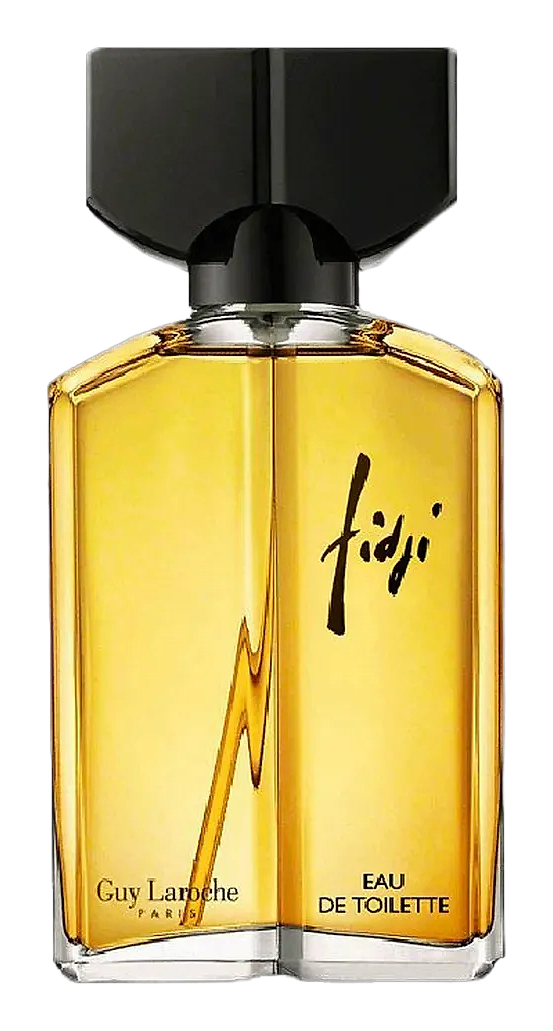
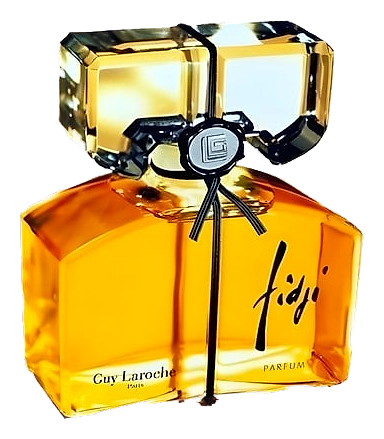
Fragrances featuring Persian musk
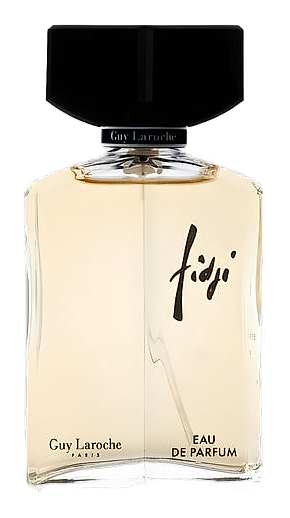
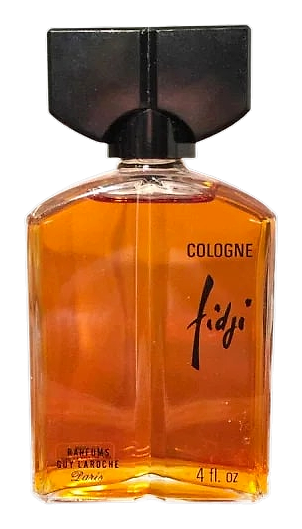
Brands
Brands known for Persian musk
Good to know
Questions, answered
The essentials on Persian musk in perfumery: how it smells, where it comes from, and how it behaves on skin.
What is Persian musk?
Persian musk is a historical reference to musk traded through ancient Persia, not a specific ingredient. It typically describes musk deer secretions sourced from Himalayan regions but refined and distributed via Persian trade routes, influencing perfumery traditions across the ancient world.
How was natural Persian musk obtained?
Musk deer were trapped and killed to remove glandular pods containing the raw paste. A single deer yielded approximately 25 grams of musk, making it extremely scarce and valuable. This practice ended for ethical reasons by the late 1800s.
Why did perfumers stop using natural animal musk?
Natural musk harvesting required killing endangered musk deer, making it economically impractical and ethically problematic. In 1926, Swiss chemist Lavoslav Ružička synthesized muscone, the main aromatic component, allowing perfumers to replicate the scent without animal involvement.
What does Persian musk smell like?
Natural musk deer musk had an animalic, leathery character with fecal and urinous top notes that softened into warm, powdery, slightly sweet undertones. Modern synthetic musks capture this warmth and skin-like quality without the animalic harshness.
Is Persian musk used in modern fragrances?
Modern fragrances reference Persian musk through synthetic musks like Galaxolide, Habanolide, or white musks. These compounds echo the warmth and staying power of historical musk while offering consistency and ethical production.
What role did Persia play in musk history?
Persian traders dominated the ancient musk supply chain between 500 BCE and 1000 CE. Persian markets standardized quality grades and pricing, making Persia synonymous with luxury musk and influencing perfume traditions across the Mediterranean world.
How does synthetic musk compare to natural musk?
Synthetic musks safely replicate the core warmth and longevity of natural musk. They lack the complex animalic nuance of genuine musk deer secretion but offer cleaner, more consistent scent profiles suitable for modern consumer preferences.
Which civilizations first used Persian musk?
Sumerians in Mesopotamia used musk around 3000 BCE, predating Persian influence. The Sassanid Empire later established Persia as the global musk trade center from 224 to 651 CE, connecting Himalayan sources with Roman, Byzantine, and later Islamic markets.