The Story
Why it exists.
The beginning
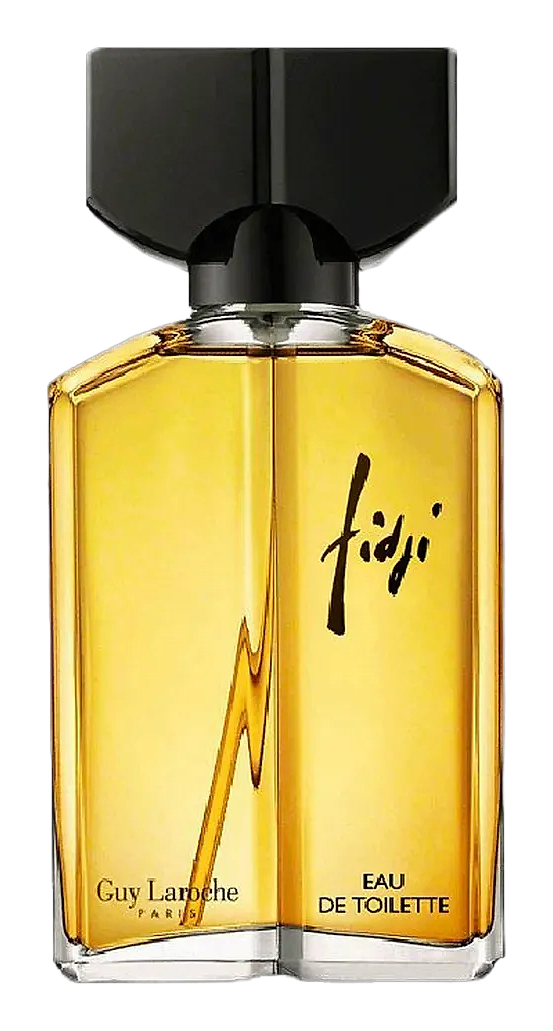
Guy Laroche opened his Paris atelier in 1957 with a clear philosophy: dress women with strength, not sacrifice. The house brought structured lines and vibrant color to Parisian fashion, eventually translating that precision into fragrance. Fidji launched in 1966 as Guy Laroche's first fragrance, named for the Fijian island where the designer's mother found inspiration. Perfumer Josephine Catapano crafted a scent that captured the house's ethos of feminine confidence wrapped in beauty.
The note structure reflects a philosophy of contrast: bright, effervescent top notes giving way to lush floral abundance, grounded by a substantial base. The aldehydic opening recalls classic French perfumery while the white florals and chypre drydown create a timeless structure. Each layer builds on the previous, creating a fragrance that unfolds as a complete narrative rather than a single impression.
The evolution
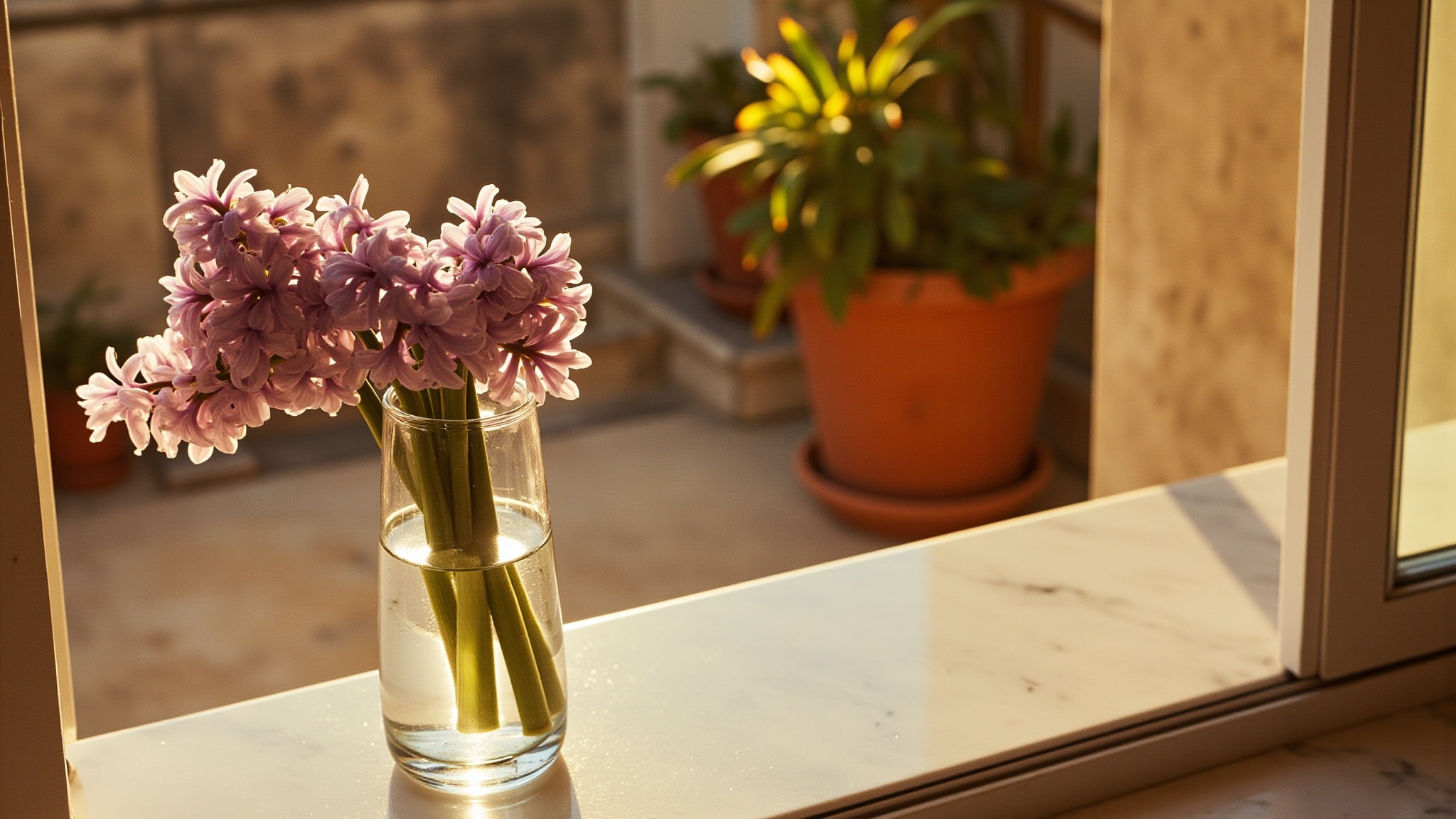
Fidji's trajectory moves from sparkling aldehydic opening through opulent white florals into a grounded chypre base. The opening showcases aldehydes and citrus with hyacinth and Spanish galbanum providing green, aromatic lift. As the heart develops, ylang-ylang and Egyptian tuberose take center stage, their creamy, slightly spicy character balanced by the powdery elegance of iris and the sweet green notes of English lilac. The drydown anchors everything with oakmoss, ambergris, and Persian musk creating a warm, animalic foundation while sandalwood, myrrh, and patchouli add creamy, resinous depth.
Cultural impact
Fidji established Guy Laroche in fragrance with a green chypre so precisely constructed that it remains a reference in that accord family. For those who know classic perfumery, it represents what green florals and aldehydes could build together in 1966, architectural, confident, not trying to please. The house's fashion heritage informed every decision: nothing accidental, nothing apologetic.