The Story
Why it exists.
The beginning
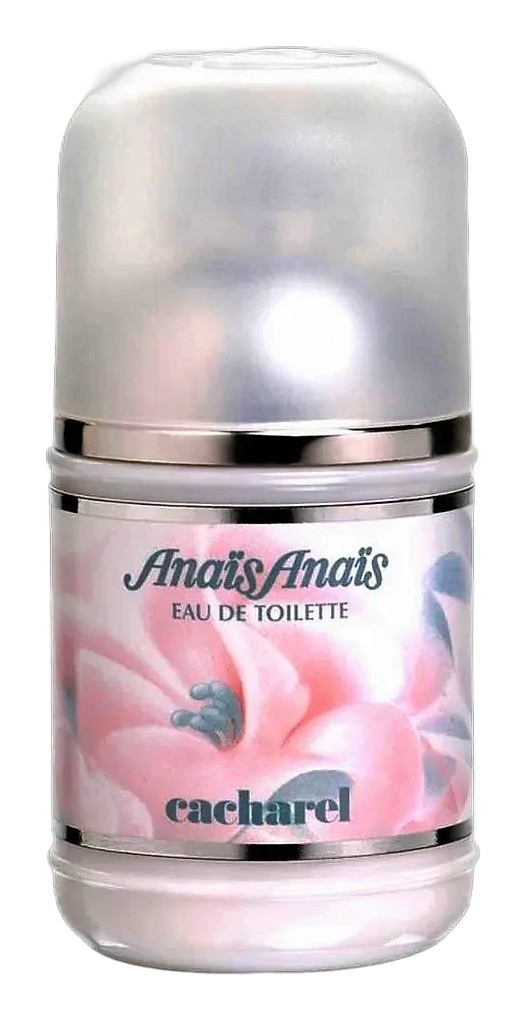
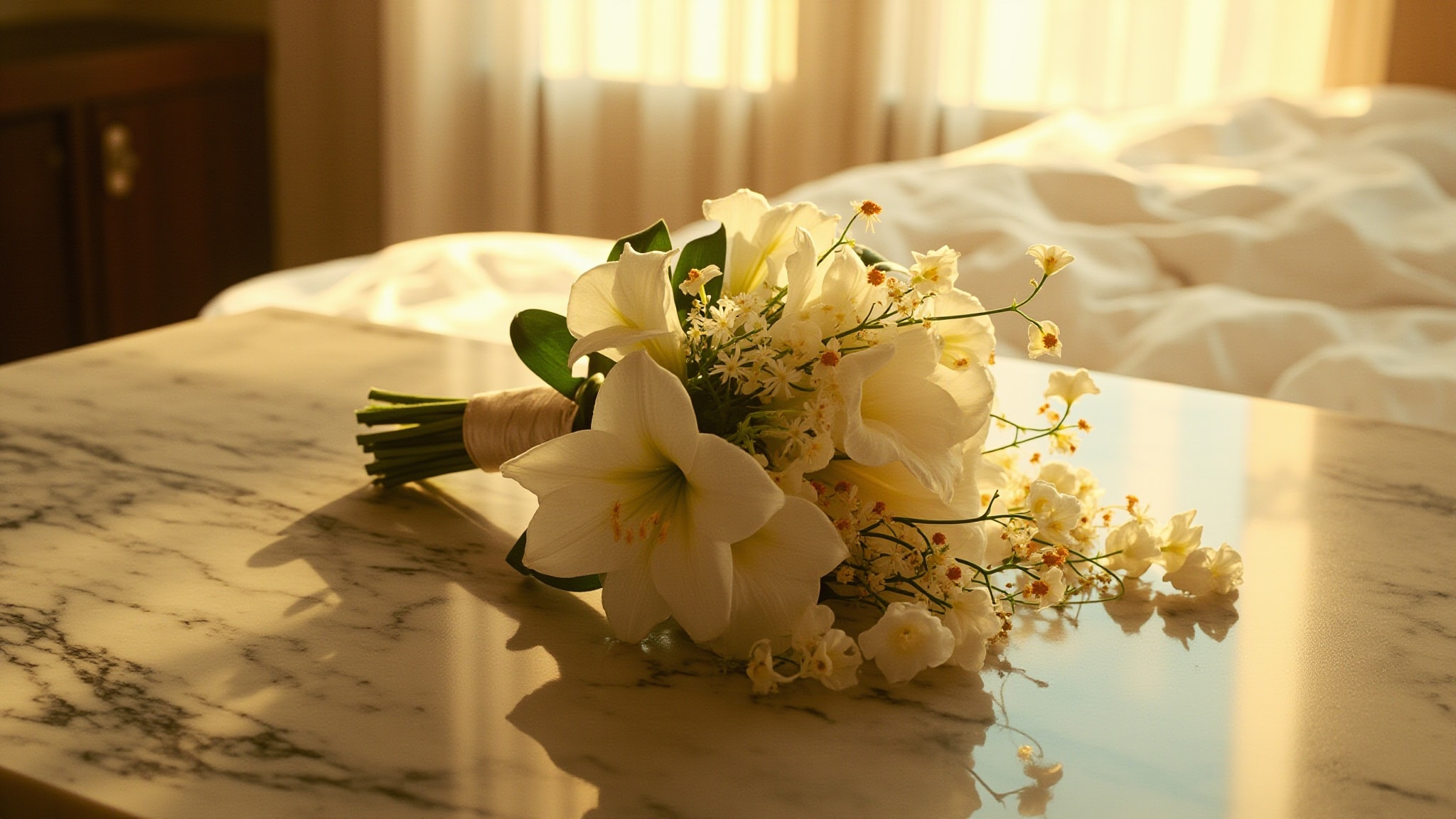
Roger Pellégrino built Anais Anais in 1978 as Cacharel's first fragrance, a debut that announced the house's philosophy before most people knew the name. The brief was simple: femininity without ceremony. Pellégrino answered with a white floral chypre that felt like the moment a garden goes all in at once, every bloom opening at the same time. It wasn't subtle. It wasn't trying to be. The name itself, Anaïs, after the Greek goddess of spring, tells you exactly what he was reaching for: something bright, fertile, and unapologetically in bloom.
What makes Anais Anais structurally unusual is its layering. Most fragrances introduce a dominant note family in the heart, then build a contrasting base around it. Here, the white florals don't wait. They arrive in the opening alongside hyacinth and galbanum, bright and green, then stay through the heart alongside jasmine, tuberose, and ylang-ylang, building in intensity rather than arriving and departing. The chypre structure is what prevents this from becoming a wall of sweetness: oakmoss, incense, and leather in the base create an earthy, aromatic counterweight that keeps every bloom honest. It's a greenhouse held in place by something rooted in soil.
The evolution
The opening is immediate, transparent orange blossom and heady hyacinth arrive together, no preamble. Within minutes, the white lilies, jasmine, and tuberose push through the top layer and the composition thickens. You can feel each bloom's weight in the air. The carnation and orris root add a powdery warmth that keeps the heart from becoming purely sweet. This is where Anais Anais earns its reputation: that transitional moment between bright and warm, when the florals are at their fullest. The drydown is where the chypre shows its cards. Oakmoss, incense, and musk take over, and the white florals don't disappear, they soften into something powdery and intimate. Sandalwood and amber linger close to the skin. The incense is felt more than smelled, a whisper rather than a statement. Lasting power is solid: expect 6-8 hours on most skin, with moderate sillage that stays close rather than filling the room.
Cultural impact
Anais Anais was Cacharel's first fragrance, launched in 1978. It established the house's approach to accessible, romantic femininity in perfumery and paved the way for later successes like Loulou and Noa. The scent's success helped cement the chypre-floral category as a staple of feminine fragrance wardrobes throughout the 1980s and beyond.