Roger Pellégrino
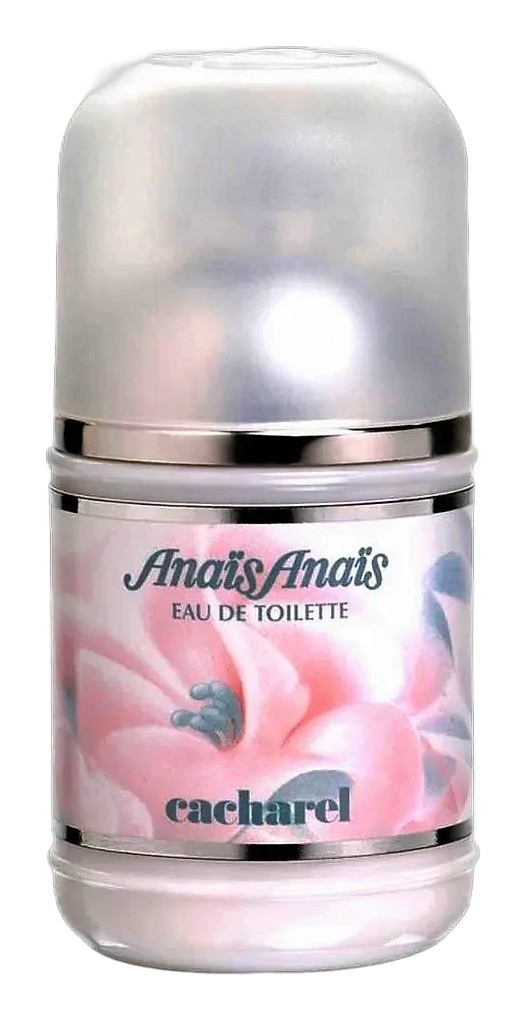
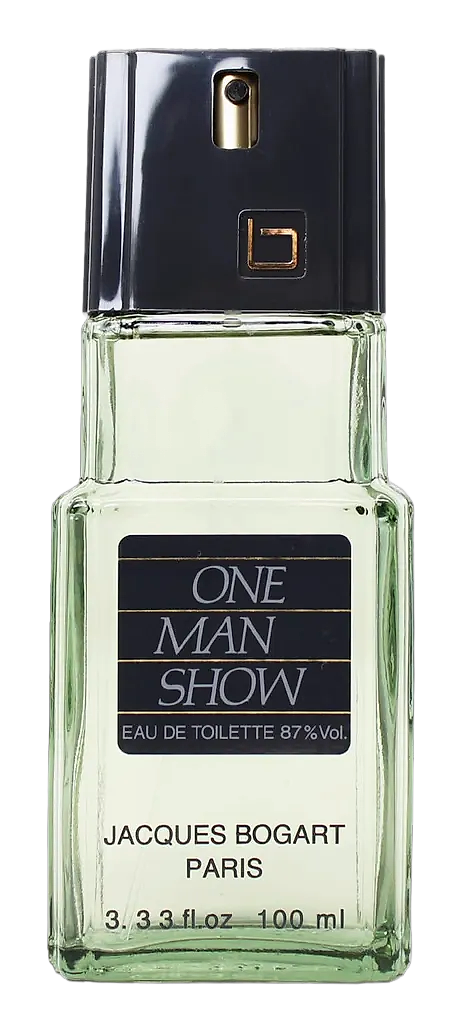
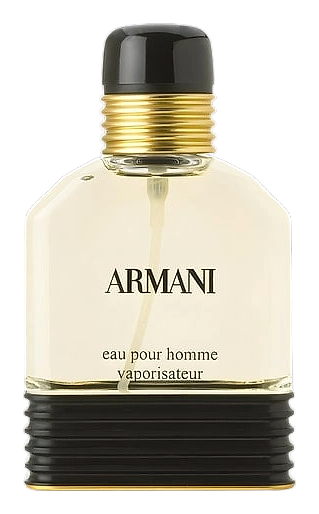
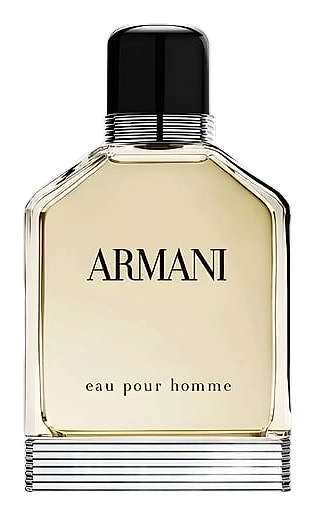
Roger Pellégrino entered Chanel's fragrance laboratory in 1973 as a chemist. He never trained formally as a perfumer, describing himself instead as an explorer wandering amid ingredients. That self-taught sensibility became his strength. Without formal constraints, he moved through raw materials the way a traveler charts unknown territory, building an intuitive vocabulary that set his work apart. At Firmenich, he refined his approach, developing a reputation for compositions that balanced classical structure with unexpected depth. His work with Italian fashion houses proved particularly significant, bridging the precision of French perfumery with the bold sensuality that Italian brands demanded. Pellégrino understood early that fragrance creation was not about rules but about discovery. That belief carried him through decades of work, from the structured elegance of Jacques Bogart's landmarks to the refined masculinity he brought to Versace. He never chased trends. He built scents meant to outlast them.
The hits
Notable creations
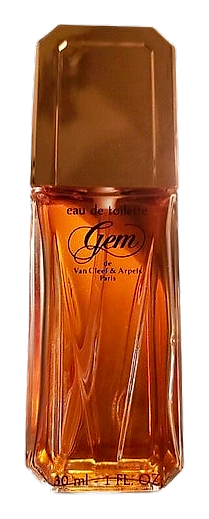
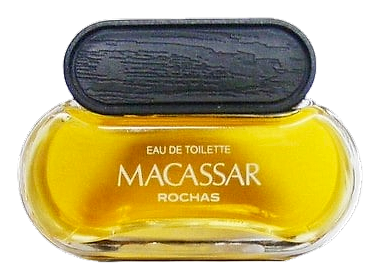
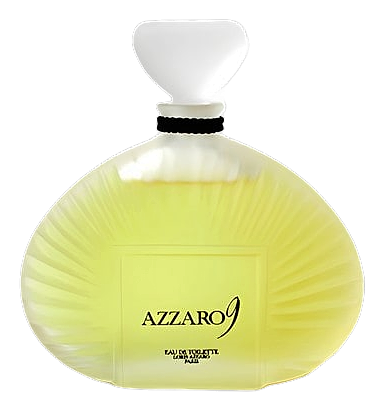
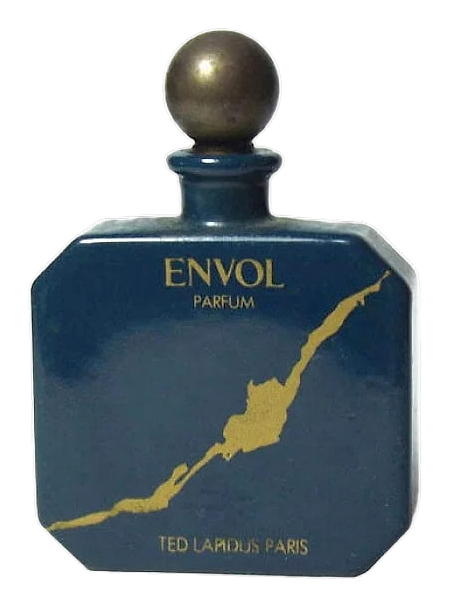
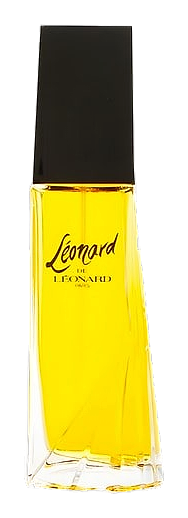

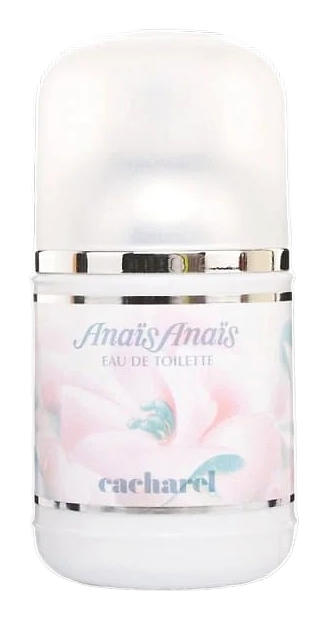
The signature
How Roger composes
Pellégrino favors bold contrasts held together by careful structure. His compositions frequently layer classical materials in unconventional proportions, producing fragrances that feel familiar yet surprising. He draws heavily on woody and amber foundations, using them as anchors for more volatile top notes that evolve over time on skin. His work with aromatic herbs and resins shows a preference for warmth over brightness. Each creation tends to carry a signature density, an almost tactile quality that makes his fragrances feel substantial rather than fleeting. He rarely relies on novelty ingredients, preferring instead to find new life in traditional materials through unexpected combinations. His signature, if one exists, is the ability to make structured, masculine fragrances that remain deeply sensual.
Philosophy
What drives Roger
Pellégrino approaches fragrance as a form of exploration rather than engineering. He does not think in fixed formulas; he thinks in atmospheres. His creative process begins with mood and memory, searching for the emotional core a fragrance should carry before considering any ingredient. He values restraint over excess, believing that the most memorable compositions often work through suggestion and subtlety rather than declaration. This philosophy shows in his body of work, which tends toward complexity that reveals itself gradually rather than all at once. He has spoken of the perfumer's role as translator, taking an abstract idea and giving it sensory form. That translation, he argues, requires patience, honesty, and a willingness to abandon what does not serve the whole.
The houses