The Story
Why it exists.
The beginning
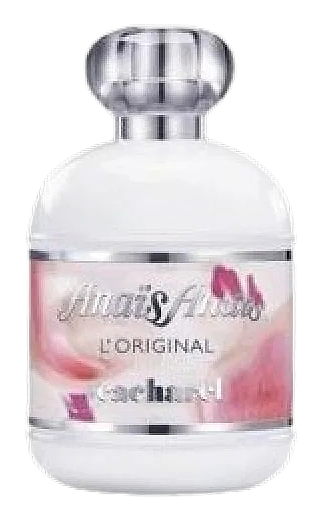
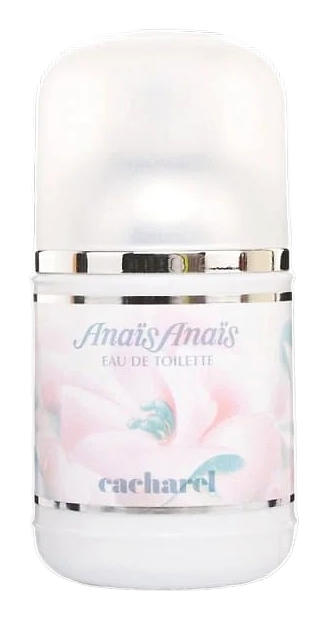
Anais Anais arrived in 1978 as something romantic without being precious, floral without being old-fashioned. The composition was built on the cleanest white blooms the perfumers could find, then anchored with enough green to keep things honest. Sources list four names behind the formula: Roger Pellégrino, Robert Gonnon, Jean-Louis Léger, and Jean-Paul Chaillan, a collaboration that produced what many have called the herald of the era of white flower scents. The name itself carries a softness, a doubled femininity that feels intentional without being ornamental. It landed like a love letter to a kind of femininity that doesn't need permission, and it remains one of the defining releases from the house of Cacharel.
What makes the construction worth noting is the sheer density of florals in the heart. Rose, iris, orris root, lily of the valley, carnation, honeysuckle, ylang-ylang, jasmine, orange blossom, and tuberose compete for space, each one given room to speak. The galbanum and oakmoss do the quiet work of stopping it from floating away into soapy sweetness, and that green presence keeps the composition honest. The interplay between the cool clarity of lily of the valley and the narcotic pull of tuberose creates a tension that feels deliberate.
The evolution
The opening is the greenest part. Galbanum cuts through with a sharp, almost bitter edge, like snapping a stem between your fingers. Bergamot and lemon brighten it, but there's nothing sunny here, more like the smell of a garden at seven in the morning. The hyacinth adds something cool and watery, pulling the citrus into territory that feels freshly laundered rather than freshly squeezed. Blackcurrant hides underneath, giving the opening a quiet fruitiness that nobody talks about but everybody smells. The white florals begin their takeover not long after the first spray settles. Lily of the valley leads, followed by jasmine and orange blossom, with tuberose lurking behind like a secret. This is where the powder starts, soft and sweet, almost cosmetic. Rose and ylang-ylang warm it slightly, and the carnation adds its clove-like spice without making a fuss.
Cultural impact
Anais Anais is widely credited with heralding the start of the era of white flower scents, a fragrance that arrived at a moment when the category was still finding its shape. The composition became a reference point, the kind of release that other white-flower perfumes would measure themselves against. It carries an air of French femininity that feels effortless rather than constructed. The scent doesn't shout or demand attention; it simply stays close, drawing people in with its quiet complexity. Decades after its debut, Anais Anais still reads as a perfume that knows exactly what it's doing without ever appearing to try.