The Story
Why it exists.
The beginning
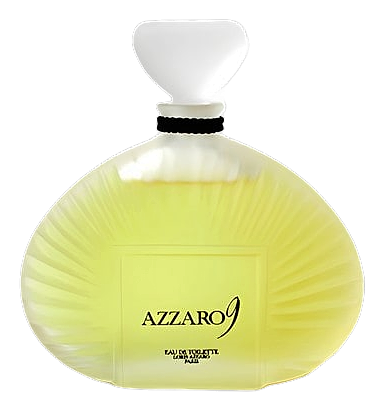
Alberto Morillas and Roger Pellégrino built Azzaro 9 around a specific vision: the boldness of Mediterranean light, captured in a composition that could hold its own in any room. The year was 1984. The brief was clear, this had to smell like confidence made tangible, not a whisper but a statement. Aldehydes gave the opening its sparkle, that effervescent lift that makes the top notes feel alive before the florals arrive. What followed was a heart large enough to signal ambition, mimosa, tuberose, jasmine, ylang-ylang, orange blossom, rose, and the rest, all layered into something that felt abundant rather than chaotic. The base kept it grounded in the chypre tradition Azzaro had helped define, with oakmoss, vetiver, and sandalwood anchoring the sweetness into something that could last.
The standout move here is the interplay between aldehydic brightness and that enormous floral heart. Aldehydes don't just add sparkle, they amplify the materials around them, making the pineapple feel juicier, the mimosa feel more powdery, the tuberose feel more lush. On some skin, the jasmine leans indolic and animalic. On others, the orange blossom takes over and the whole thing softens. That variability is part of what makes it interesting. The incense in the base is subtle, not a smoky punch but a quiet warmth that lingers after the florals fade, giving the drydown a sophistication that rewards patience.
The evolution
The aldehydes hit first, bright and sparkling, almost champagne-like. Within minutes the citrus and tropical notes arrive, bergamot, mandarin, pineapple, and for a short window the fragrance is fresh, fruity, and surprisingly modern. Then the florals take over. The handoff is not gradual. It arrives. Mimosa, tuberose, jasmine, ylang-ylang, orange blossom, they layer in thick and fast, creating a heart that is simultaneously powdery, creamy, indolic, and green. That dense floral phase lasts for hours. When it finally thins, the base kicks in: oakmoss, vetiver, sandalwood, a whisper of incense, and warm musk. The drydown is close to the skin and lingers quietly long after the florals have faded, 8 to 10 hours on most skin types, intimate but persistent.
Cultural impact
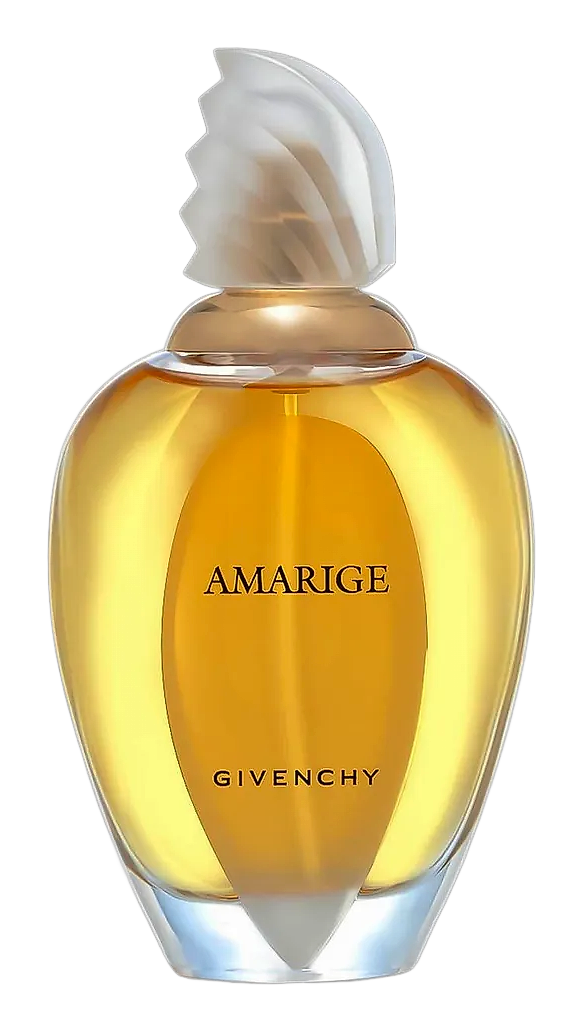
Azzaro 9 arrived in 1984 with the boldness that defined the house. Alberto Morillas, who would go on to shape modern perfumery with creations like Calvin Klein Eternity and Givenchy Amarige, brought a confident hand to this composition. The aldehydic-floral-chypre structure places it in a grand tradition while the tropical notes and dense floral heart give it a distinct character. It remains a collector's piece for those who appreciate what the eighties could do with a fragrance.