Mimosa Petals
Mimosa petals deliver a powdery, honeyed sweetness with green undertones. Native to Australia but deeply rooted in the French Riviera, this golden flower has perfumed the hills of Grasse since the early 20th century. Its warm, comforting presence brings softness to florals and richness to chypre bases.
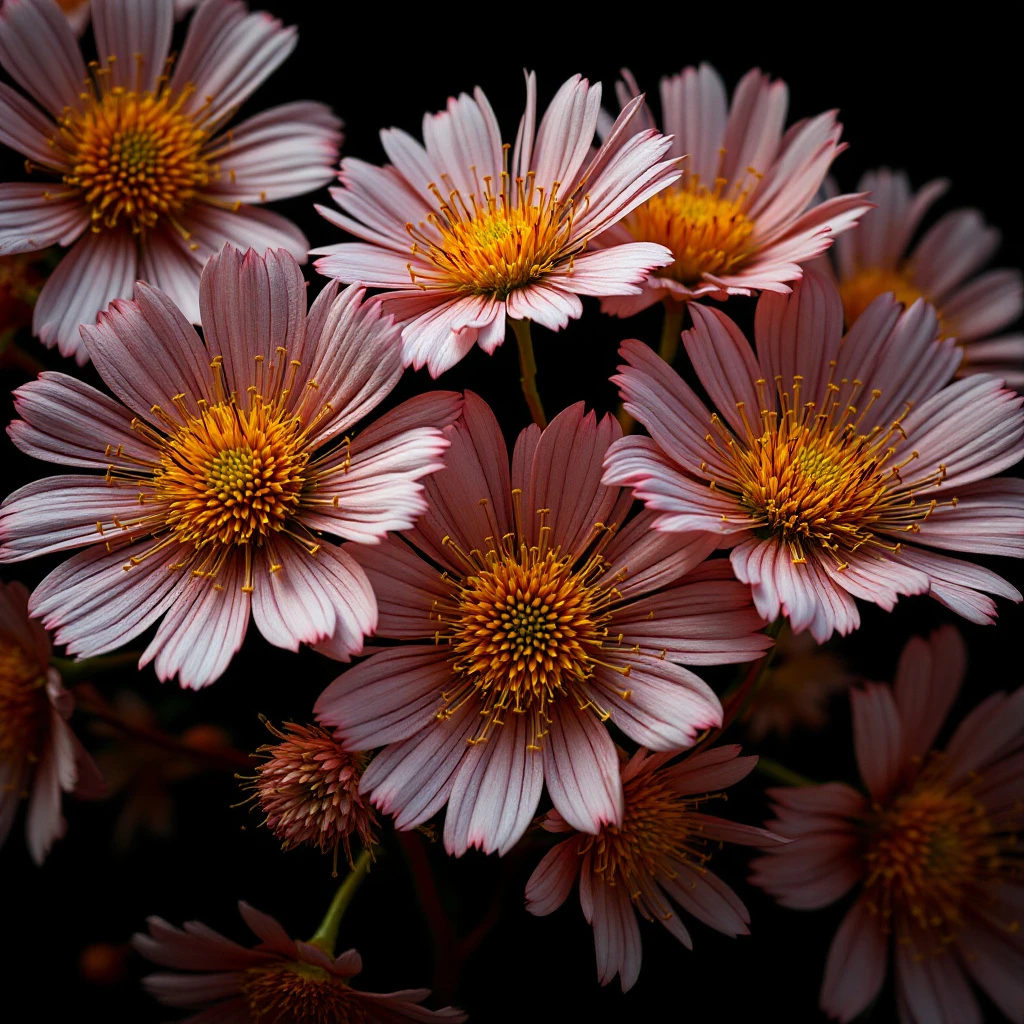
Character
How it smells
Golden blossoms with a warm, powdery embrace.
Mimosa (Acacia dealbata) is Australia's national flower, known as the golden wattle, and blooms in spectacular yellow pompom clusters each late winter.






Origin
Australia
Mimosa arrived in the south of France in the 19th century, where it found ideal conditions along the Mediterranean coast. By 1930, the Grasse region cultivated over 600 hectares of mimosa plantations, producing approximately 30 to 50 tons annually. The flower became central to Riviera perfumery traditions, its cheerful yellow blooms signaling the transition from winter to spring.
Ancient Egyptian mythology linked the acacia to resurrection and immortality, placing mimosa among the oldest materials used in incense and ritual perfumery. Today, the French Riviera mimosa harvest remains a celebrated seasonal event, drawing visitors to the flowering hillsides while continuing to supply the world's finest fragrance houses with this cherished ingredient.
Wears it best
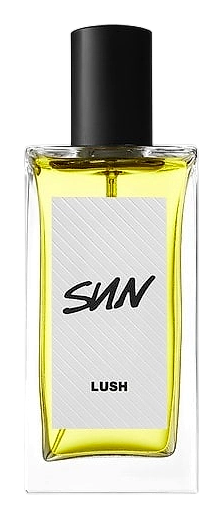
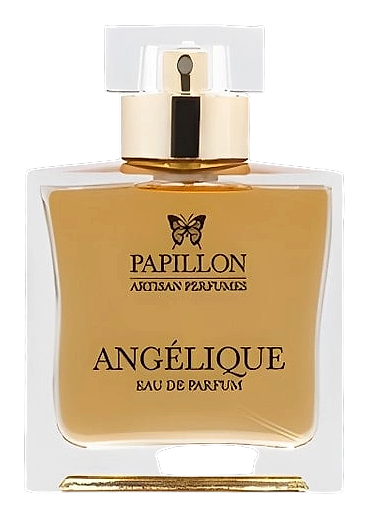
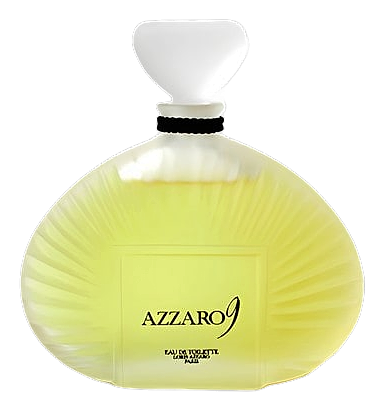
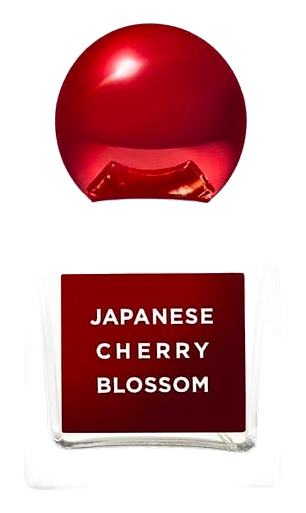
Fragrances featuring Mimosa Petals
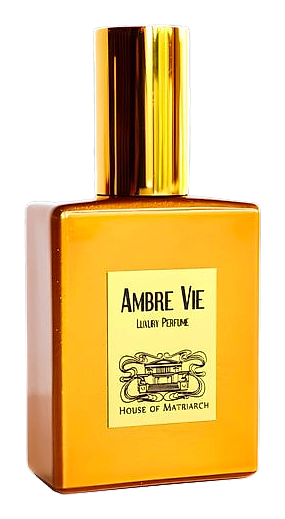
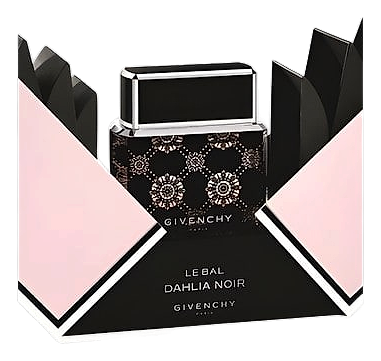

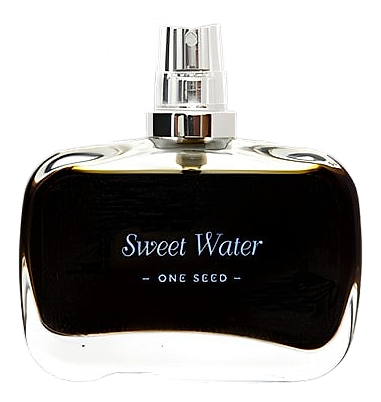
Brands
Brands known for Mimosa Petals
Good to know
Questions, answered
The essentials on Mimosa Petals in perfumery: how it smells, where it comes from, and how it behaves on skin.
What does mimosa smell like?
Mimosa has a powdery, sweet scent with distinct honeyed and green notes. It carries a warm, comforting quality often described as resembling freshly dried flowers with a subtle nutty undertone.
Is mimosa absolute natural or synthetic?
Authentic mimosa absolute is natural, extracted via volatile solvent extraction from Acacia dealbata flowers. Perfumers also create mimosa accords using both natural and synthetic materials for consistency.
Where does most mimosa absolute come from?
The south of France, particularly the Grasse region, produces most of the world's mimosa absolute used in perfumery. Australia, where the plant originates, has only experimental domestic production.
When is mimosa harvested?
Mimosa blooms in late winter, typically from January through March. The bright yellow flower clusters are hand-picked at peak freshness during this short seasonal window.
What fragrance families use mimosa?
Mimosa appears frequently in florals, chypres, and oriental compositions. It adds warmth and softness to jasmine and rose bases while lending powdery depth to green and aldehydic fragrances.
Is mimosa related to wattle?
Yes, mimosa is the common name for Acacia dealbata, which is Australia's national flower, known as the golden wattle. The plant was introduced to Europe in the 19th century.
How is mimosa absolute produced?
The process involves solvent extraction of freshly harvested flowers, producing a concrete. This concrete is then washed with alcohol and filtered to yield the absolute, a concentrated aromatic material.
Does mimosa have historical significance?
Ancient Egyptian mythology associated the acacia with resurrection and immortality, making mimosa one of the oldest materials used in incense. It symbolized these concepts long before becoming a perfumery ingredient.



